Understanding Cushing’s Disease in Dogs: Testing, Symptoms, and Medications
Your dog may have Cushing’s due to a benign pituitary tumor causing high cortisol, especially if they’re a Poodle or Dachshund. Watch for increased thirst, panting, a pot-bellied look, and hair loss. Diagnosis often includes a low-dose dexamethasone test or ACTH stimulation test, where cortisol over 20 µg/dL confirms it. Trilostane (Vetoryl) is the top medication, reducing cortisol with monthly dose checks. With proper management, most dogs feel better within weeks-learn how treatment choices affect long-term health and survival.
We are supported by our audience. When you purchase through links on our site, we may earn an affiliate commission, at no extra cost for you. Learn more. Last update on 19th July 2026 / Images from Amazon Product Advertising API.
Notable Insights
- Cushing’s disease in dogs is commonly caused by a benign pituitary tumor leading to excess cortisol production.
- Key symptoms include increased thirst, frequent urination, excessive panting, pot-bellied appearance, and skin problems like hair loss.
- Diagnosis involves blood tests, low-dose dexamethasone suppression test, and ACTH stimulation test to confirm elevated cortisol levels.
- Trilostane is the primary medication, reducing cortisol production, while mitotane or surgery may be used in specific cases.
- Lifelong monitoring with regular ACTH tests and dose adjustments ensures effective management and improved quality of life.
Why Does Your Dog Have Cushing’s Disease?
What’s causing your dog’s increased thirst, panting, or pot-bellied appearance? Cushing’s disease is likely the culprit. Most cases stem from a benign pituitary tumor that overproduces ACTH, spurring the adrenal glands to release too much cortisol-this is pituitary-dependent hyperadrenocorticism, making up 85%–90% of instances. Less commonly, an adrenal tumor-about half of which are malignant-directly disrupts cortisol regulation. Some dogs develop iatrogenic Cushing’s from long-term corticosteroid use, like prednisone, which suppresses the HPA axis and mimics natural hormone overproduction. Genetic factors matter: certain breeds, including Poodles, Dachshunds, Yorkshire Terriers, and Bichon Frises, are more prone. While it typically strikes dogs around 10–11 years old, early detection helps. Understanding the root cause-whether tumor-driven or medication-induced-guides accurate diagnosis and effective treatment.
Common Signs of Cushing’s in Dogs
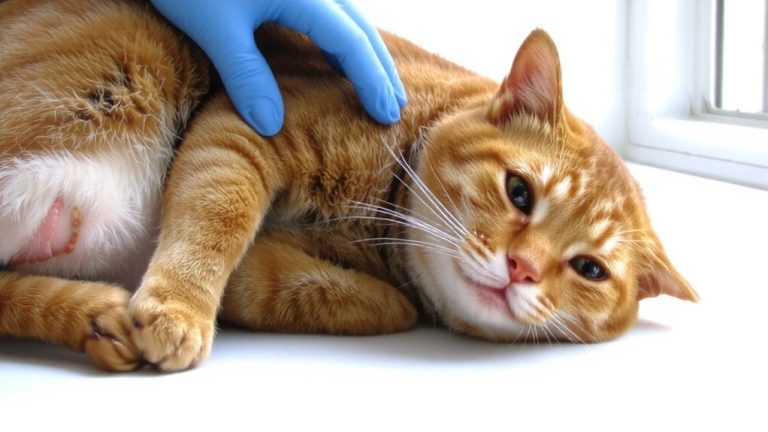
While your dog may seem to drink more water than usual, that change could be more than just a passing habit-it’s often one of the first red flags of Cushing’s disease. Increased thirst, or excessive thirst, leads to frequent urination, and you’ll likely notice your dog asking for food more often. These clinical signs, seen in over 80% of cases, are key signs of Cushing’s disease. Excessive panting-even at rest-is common, affecting around 90% of dogs with the condition. You might also see a pot-bellied appearance from fat shifts and muscle weakness. Lethargy sets in as cortisol breaks down muscle. Skin infections, thin skin, and alopecia appear in 50–90% of dogs. Look for patchy hair loss and darkened, fragile skin. Catching these symptoms early helps manage your dog’s comfort and health long term.
How Is Cushing’s Diagnosed in Dogs?
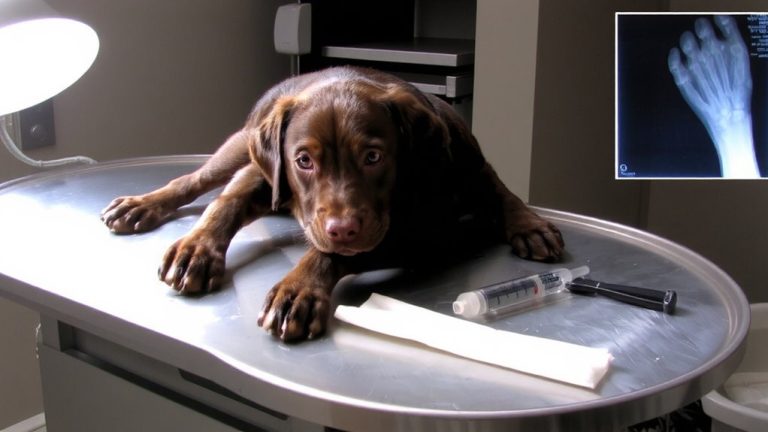
How do you know for sure if your dog has Cushing’s disease? A proper diagnosis starts with clinical signs and bloodwork, then moves to specific tests. The low-dose dexamethasone suppression test is often first-it checks if cortisol levels drop after dexamethasone, and in Cushing’s, they don’t suppress by eight hours. The ACTH stimulation test measures cortisol levels before and one hour after ACTH injection; results over 20 µg/dL support Cushing’s. Abdominal ultrasound helps find adrenal tumors-look for one enlarged adrenal gland with the other normal or small. Endogenous plasma ACTH levels distinguish pituitary-dependent from adrenal-dependent forms: high ACTH means pituitary-driven, very low suggests adrenal tumors. Since up to 20% of early cases show normal results, vets may repeat tests or use urine cortisol:creatinine ratio as a screening aid.
Medication and Surgery: Treating Cushing’s in Dogs
If your dog’s been diagnosed with pituitary-dependent Cushing’s disease, trilostane (Vetoryl) is most likely the medication your vet will recommend, and it works by blocking the enzyme 3-beta-hydroxysteroid dehydrogenase to reduce cortisol production. This drug manages overproduction caused by a benign tumor on the pituitary gland. If trilostane isn’t effective, mitotane may be used-it targets adrenal glands, destroying cortisol-producing cells. Dogs on trilostane need an ACTH stimulation test every 3–4 months to confirm proper cortisol suppression. For adrenal-dependent cases, a benign tumor might be treated with adrenalectomy-surgical removal of the affected gland-though the procedure carries a 10–25% mortality risk. If a malignant tumor is present or surgery isn’t an option, trilostane helps control symptoms, but life expectancy averages about one year despite treatment.
Monitoring and Quality of Life After Diagnosis
Once your dog starts treatment for Cushing’s disease, staying on top of follow-up care keeps them feeling their best. Lifelong monitoring is essential, with ACTH stimulation tests every 3 months to evaluate treatment efficacy and avoid adrenal insufficiency. Trilostane (Vetoryl) often requires monthly retesting and dose adjustments based on clinical response. With consistent veterinary follow-up, most dogs show improved quality of life-eating well, staying active, and regaining energy within weeks. Careful monitoring helps maintain stable cortisol levels, reducing complications. For pituitary-dependent cases, average survival time is 2–2.5 years, though some dogs live up to 5 years with ideal control. Even post-surgery, close observation is key, as 10–25% of adrenal tumor cases face perioperative risks. Your dog’s long-term health hinges on routine checkups, precise dosing, and attentive care at home.
On a final note
You’ve got this-catching Cushing’s early means better days ahead for your dog. Watch for increased thirst (over 100 ml/kg daily), panting, and belly changes. Tests like the ACTH stim and LDDS confirm it. With vet-prescribed trilostane or mitotane, plus regular bloodwork every 3–6 months, symptoms stabilize. Feed a balanced, low-fat diet like Hill’s l/d or Royal Canin Veterinary Diet. Stick to routines, stay consistent, and you’ll see real progress.