What Species-Appropriate Means for Raw Dog Food Labeling
Because “species-appropriate” sounds natural doesn’t mean it’s balanced—or right for your dog’s long-term health.
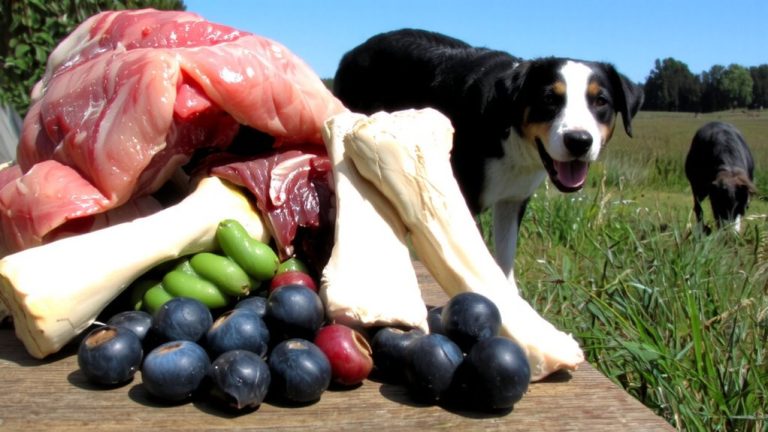
Because “species-appropriate” sounds natural doesn’t mean it’s balanced—or right for your dog’s long-term health.
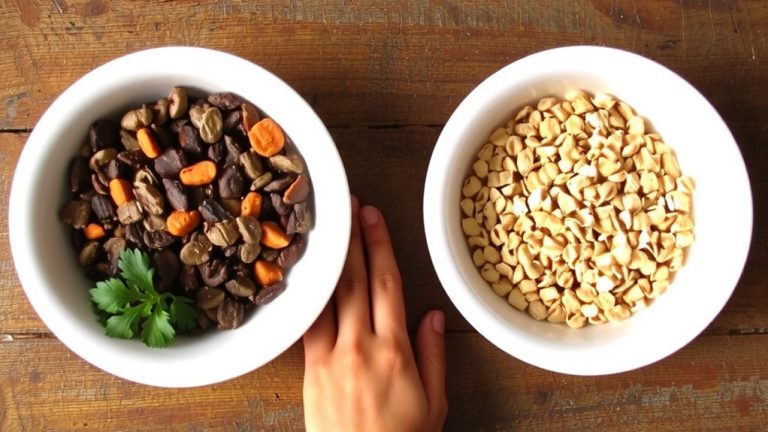
Because “organic” means no synthetic pesticides and strict animal welfare, while “non-GMO” only limits genetic modifications, the real difference could change how you feed your dog.

Many dog owners trust the term “holistic,” but what does it really mean for your pet’s nutrition? The truth might surprise you.
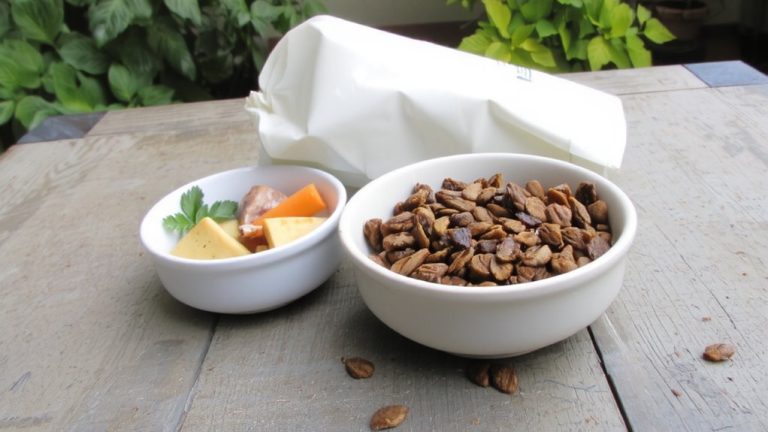
What does “natural” really mean on your dog’s food label—and should you trust it? The truth might surprise you.

A single ingredient list can hide a sugar bomb—learn the tricks pet food makers don’t want you to know.
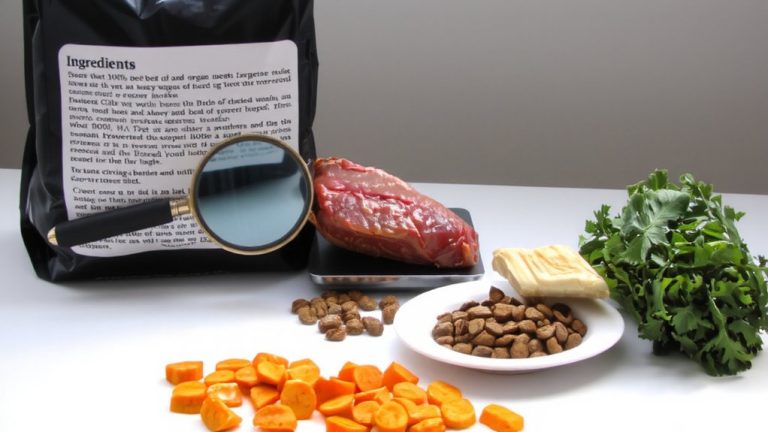
Crack the code behind AAFCO’s dog food claims and discover what truly hides in your pet’s bowl—you’ll never look at labels the same way again.

I discovered the best food for my Black Mouth Cur transformed their health—but what I did next took their vitality to another level.
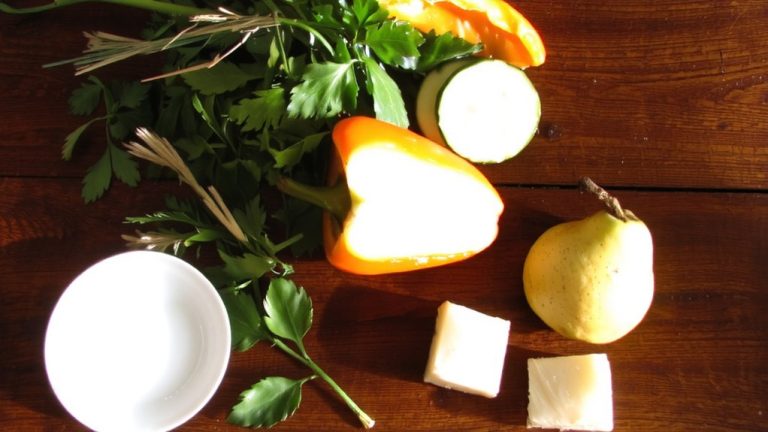
I’ve discovered surprising snacks that keep guinea pigs happy and healthy—what you feed them could change everything.

Selecting the perfect food for your Frenchie starts with understanding their unique needs—discover the top picks that keep them healthy, happy, and thriving.
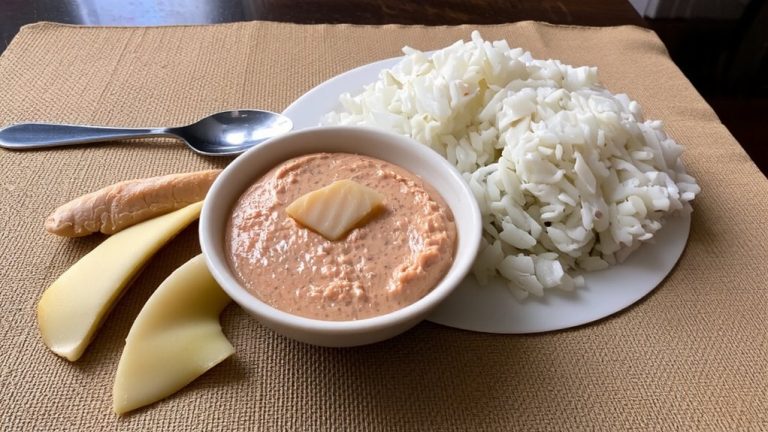
Curious what fuels a Japanese Chin’s vibrant health? The secret lies in a carnivore-rich raw diet—discover how the right balance transforms their energy, coat, and longevity.