Incorporating Nose Work Basics Into Everyday Yard Activities
You’re already outside with your dog, so turn routine yard time into smart training by scattering freeze-dried liver in short grass and using a 6-foot leash to guide to the start, then release with a crisp “find it!” cue. Hide treats under flowerpots or low boxes, rotate dog-safe scents like diluted clove or anise on cotton in ventilated tins, and switch spots daily-under shrubs, near fences, or behind planters. Keep searches under 5 minutes, run 3–4 daily, and notice head raises or freezing as detection cues. Wind direction shapes scent trails naturally, boosting realism. Use magnet-secured tins on metal or drag a turkey dog on a string to build focus. Daily practice sharpens awareness, builds confidence, and channels energy productively-simple tweaks that yield real results in instinct and obedience. There’s more to explore in refining each step for lasting success.
We are supported by our audience. When you purchase through links on our site, we may earn an affiliate commission, at no extra cost for you. Learn more. Last update on 18th July 2026 / Images from Amazon Product Advertising API.
Notable Insights
- Start with simple treat searches in short grass using a “find it!” cue to integrate nose work into daily yard time.
- Use dog-safe scents like diluted essential oils on cotton balls in tins to build odor recognition outdoors.
- Hide treats under flowerpots or boxes and change locations daily to maintain challenge and engagement.
- Conduct short, frequent searches with high-value rewards to build confidence and sharpen scent detection skills.
- Rotate scents and hiding spots weekly, varying surfaces and heights to mimic real-world nose work conditions.
Start Easy Nose Work Games in Your Backyard
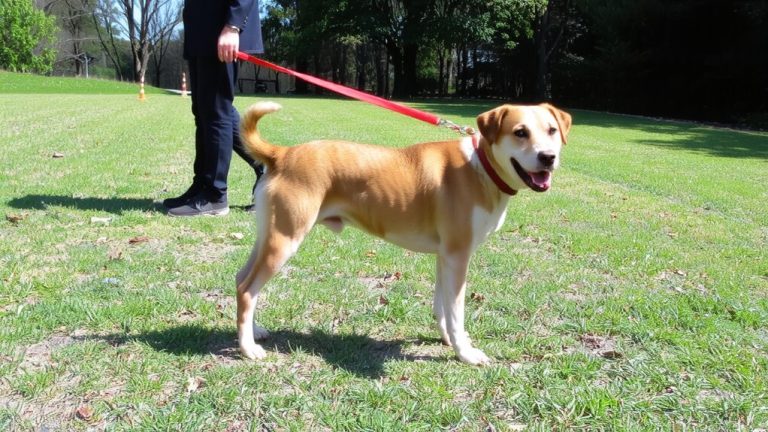
While your dog might not be a professional detection canine, starting easy nose work games in your backyard can tap into their natural scent-tracking instincts and provide meaningful mental exercise. Begin by scattering high-value treats like freeze-dried liver in short grass, letting your dog use their nose to search. Use a 6-foot leash to guide them to the starting area, then release with the cue “find it!” to begin each beginner session. Place treats under overturned flower pots or low-sided cardboard boxes to create simple, easy hiding spots that encourage focused sniffing. Keep training sessions short-just 5 to 10 minutes with 3–4 searches-so your dog stays engaged without tiring. This scent-based backyard game builds confidence, sharpens awareness, and supports healthy mental stimulation in a fun, accessible way.
Use Dog-Safe Scents to Spark Natural Instincts
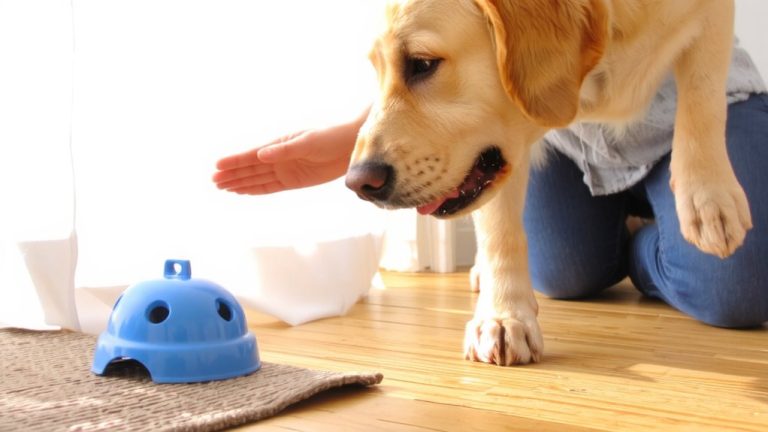
You’ve already introduced your dog to the basics of scent work with treats hidden in the grass and under simple covers, so now it’s time to level up their sniffing skills with purposeful odor training. Teaching your dog to identify a nose work scent like birch, anise, or clove builds focus and taps into their natural instincts. Use dog-safe scents by adding a drop of essential oil to a cotton ball inside a ventilated tin-never let oils touch your dog. Scatter different scents like cinnamon or ginger outdoors, or spray diluted vanilla or lavender on toys to create scent games. Rotate scents weekly and use magnet-secured tins on metal surfaces to keep things fresh. This mental stimulation sharpens your dog sniffs and makes it easier to find the treats. Over time, your dog’s favorite challenge might just become sniffing out new odors in your yard.
Switch Up Hiding Spots to Keep It Challenging
Since dogs rely heavily on their sense of smell to make sense of the world, keeping nose work exciting means changing up where you hide the scents every time you train-think under shrubs, beside the garden hose, tucked behind planters, or low in the grass near the fence line. To truly practice nose work, you’ve got to switch up hiding spots daily, using varied environments like mulch beds, stone paths, or grassy patches to challenge detection. Place target odors at different heights-on the ground, on planters, or even low in tree branches-to increase difficulty and mimic real search and rescue scenarios. Rotate 3–5 spots weekly to prevent pattern recognition. Use wind direction to disperse the scent trail naturally, especially during high energy yard activities. This constant variation keeps your dog mentally sharp, physically engaged, and builds reliable skills in detecting target odors across complex, real-world conditions.
Build Confidence With Daily Scent Hunts
Once your dog gets the hang of tracking, you can start building confidence with daily scent hunts right in your yard, using simple setups that encourage success and reinforce their natural abilities. Begin with treats hidden in easy spots, like under flowerpots or behind tree trunks, to build confidence in a familiar yard. Use high-value rewards-think freeze-dried liver or turkey hotdog pieces-to boost motivation. Keep sessions fun and effective with three to four short searches a day, each lasting up to 5 minutes, for peak mental sharpness. Gradually increase difficulty by placing scents lower, behind obstacles, or on low branches, encouraging natural sniffing. Watch for behavioral cues like head raising or freezing, which signal focused detection.
| Day | Hide Location | Reward Used |
|---|---|---|
| 1 | Behind rock | Turkey hotdog |
| 2 | Under pot | Freeze-dried liver |
| 3 | Near fence base | Peanut butter kong bite |
| 4 | Low bush | Cheese cube |
| 5 | Elevated on branch | Chicken nugget |
Turn Playtime Into a Mental Workout
While your dog might think they’re just playing, you can turn every game into a brain-boosting challenge by weaving scent work into daily yard time using simple, repeatable strategies that tap into their natural instincts. Turn regular Games into Nose Work sessions by hiding treats or toys and using “find it!” to cue your dog to find them. Scatter kibble or strong-smelling freeze-dried liver so dogs engage all 300 million olfactory receptors. Drag a turkey hot dog on a string to create a scent trail, weaving around trees to build skills. Rotate scents like diluted clove, cinnamon, or coconut on plastic toys for nose work activities that sharpen discrimination. Limit sessions to 5–10 minutes with 3–4 searches. Training Tips: make it easier at first, then increase difficulty. Allow your dog time to search-every sniff builds confidence. With each trial, your dog gains focus, patience, and mental stamina.
On a final note
You’ve got everything you need to start nose work right outside your door, no fancy gear required. Use pet-safe essential oils like birch or anise, diluted to 10%, and hide them in simple spots-under a pot, behind a tree. Rotate locations every 2–3 days to keep your dog alert. Daily 5-minute hunts boost focus, reduce anxiety, and burn mental energy. Real testers saw improved recall and calmer behavior indoors, even in high-energy breeds. Turn routine time into training time-your dog’s nose knows the way.