How to Handle Accidents and House-Soiling in the First Month With a New Dog
First, call your vet-sudden house-soiling often signals medical issues like UTIs or digestive pain. Rule those out before retraining. Stick to a strict potty schedule: take your dog out after waking, meals, and play, using a leash and the cue “go potty.” Supervise constantly, tethering if needed, and interrupt accidents fast with a sharp “oops,” then rush outside. Reward only outdoor elimination, clean messes with an enzyme cleaner like Urine Away, and block access to soiled spots. Calm routines, neutering, and proper scent removal reduce marking, fear, and excitement urination. Consistency breeds confidence in the first 30 days. A few simple changes could mean the difference between constant cleanup and a reliably clean home-what works next might surprise you.
We are supported by our audience. When you purchase through links on our site, we may earn an affiliate commission, at no extra cost for you. Learn more. Last update on 19th July 2026 / Images from Amazon Product Advertising API.
Notable Insights
- Rule out medical issues with a vet checkup to ensure house-soiling isn’t caused by infections or cognitive dysfunction.
- Establish a consistent potty schedule by taking the dog outside after waking, meals, and play, using a verbal cue.
- Supervise constantly indoors by tethering or using baby gates to catch elimination signs like sniffing or circling.
- Interrupt indoor accidents immediately with a quick “oops,” then take the dog outside to finish and reward.
- Clean soiled areas thoroughly with an enzyme-based cleaner to eliminate odors and prevent repeat soiling.
See Your Vet: Is It Medical or Behavioral?
Could a sudden change in your dog’s elimination habits actually signal an underlying health issue? Yes, and it’s why you need to see a veterinarian to rule out medical causes like urinary tract infections or digestive discomfort. Sudden house soiling, especially in a previously trained dog, often stems from pain or illness-your dog might associate relief on carpet with feeling better, reinforcing wrong substrate use. Conditions like Canine Cognitive Dysfunction in seniors can also disrupt bladder or bowel control, leading to accidents with urine or feces. A full checkup helps determine if it’s behavioral or medical. Until your dog gets a clean bill of health, don’t start retraining. Your veterinarian to rule out issues early saves time, stress, and strengthens your bond through proper care.
Keep a Predictable Potty Schedule
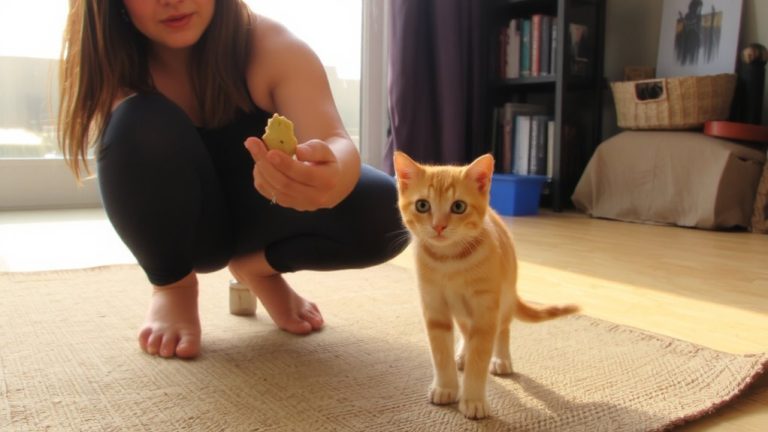
Once you’ve cleared any medical concerns with your vet, setting a consistent potty schedule becomes your next step toward accident-free living. Take your dog outside immediately after waking, when you return home, and before bed to support effective house training. Always use a leash to guide them directly to a designated spot-this helps keep your dog focused so they learn to eliminate outside. Say “go potty” while they’re going to build a verbal cue association. Praise right away and offer a treat only after they finish and move away. If accidents happen indoors, place soiled rags in the outdoor area so scent helps them learn. You should never leave your dog alone too long-puppies can’t hold it for more than a few hours. Stick to the routine, and progress will come quickly.
Watch Your Dog Every Minute
Keep your dog within arm’s reach indoors during the first month in your home, tethering them to your waist or nearby furniture with a six-foot leash to maintain constant supervision. This prevents unsupervised accidents and helps you recognize when your new dog needs to urinate or defecate. Watch your dog every minute, especially in the house, because even brief lapses can lead to soiling and reinforce bad habits. Use baby gates if tethering isn’t possible, keeping them in your line of sight at all times.
| What to Watch For | What to Do |
|---|---|
| Sniffing, circling | Take outside now |
| Pacing near doors | Grab leash immediately |
| Sudden inactivity | Check for crouching |
| Whining, restlessness | Head to potty spot |
Stop Indoor Accidents Immediately
How do you respond the moment your new dog starts to go inside? Interrupt the behavior with a sharp “oops!” or clap-don’t yell or punish your dog-then swiftly leash and take them back outside to their designated potty spot. Dogs learn by association, so only reward with praise and a treat if they finish outside. Never rub urine or feces in their nose; it creates fear and doesn’t teach proper habits. Clean the soiled area inside the house immediately with an enzyme-based cleaner like Urine Away to remove lingering odors. When you can’t watch, confine them to a crate or small space-this discourages soiling inside. Consistency and timing are key: most puppies need a bathroom break every 2–4 hours. Keep routines tight, and your dog will stop accidents fast-with patience, not punishment.
Erase Scents That Trigger Re-Soiling
Because dogs rely heavily on scent to make sense of their world, cleaning up accidents properly isn’t just about removing stains-it’s about breaking the cycle of re-soiling, and that starts with using an enzyme-based cleaner like Urine Away to destroy odor-causing bacteria at the source. This enzymatic cleaner breaks down uric acid crystals that standard cleaners miss, helping eliminate lingering odors that prompt urine marking. Always avoid ammonia-based products-they mimic urine smell and encourage re-soiling. Saturate the area completely so the cleaner penetrates deep into carpets or flooring where odors hide.
| Method | Purpose | Outcome |
|---|---|---|
| Enzymatic cleaner | Destroy bacteria | Stop re-soiling |
| UV black light | Find hidden stains | Guarantee full cleanup |
| Full saturation | Reach deep residues | Eliminate lingering odors |
| Repeat application | Target uric acid crystals | Prevent urine marking |
Fix Marking, Fear, and Excitement Urination
While your new dog might be picking up house rules quickly, urine marking, fear-based peeing, or excitement leaks can still happen-and understanding the differences is key to fixing them. Dogs often mark their territory with small urine sprays on vertical surfaces, especially intact males, though spayed female dogs may do it too, often due to stress in a new home or changes in sexual status. Social tension or separation anxiety can also trigger it. Submissive or excitement urination, common in puppies under a year, happens during greetings and is linked to fear or overstimulation. You’ll see crouching, ears back, or lip licking. Manage it with calm, quiet greetings-avoid hugging or leaning over. Reward calm behavior with treats. Clean marked spots with enzyme cleaners. Neutering can reduce marking, especially if done early, and creating a predictable routine minimizes stress for your new dog.
On a final note
Stick to a strict potty schedule every 2–3 hours, use enzymatic cleaners like Nature’s Miracle on messes, and watch closely for sniffing or circling. Most accidents drop by week three when you stay consistent. Neutering cuts marking by up to 80%, and stress-relief tools like Adaptil collars help with fear urination. Real testers saw 90% improvement with vigilance and positive reinforcement-no exceptions. Accidents fade fast with routine, attention, and the right tools.