How to Groom a Senior Cat With Arthritis Using Gentle Techniques
You can gently groom your senior cat with arthritis using a soft-bristled brush or grooming glove, starting with light strokes from head to tail to find sore spots. Focus on high-mat zones like behind the ears and under the legs, using a rubber brush first, then a pin brush, and finishing with a metal comb. Keep sessions under 5 minutes to avoid stress. If mats persist or your cat resists, there are proven next steps to guarantee their comfort and cleanliness.
We are supported by our audience. When you purchase through links on our site, we may earn an affiliate commission, at no extra cost for you. Learn more. Last update on 19th July 2026 / Images from Amazon Product Advertising API.
Notable Insights
- Use soft-bristled brushes or grooming gloves to gently remove loose fur without irritating sensitive skin.
- Focus on high-mat zones like behind ears, under legs, and hindquarters with light, careful strokes.
- Follow a brushing sequence: start with a rubber brush, use a pin brush for tangles, finish with a metal comb.
- Apply cornstarch to loosen stubborn mats instead of cutting, reducing risk of skin injury.
- Keep grooming sessions short and calm to minimize stress and build positive tolerance over time.
How to Brush a Senior Cat With Arthritis
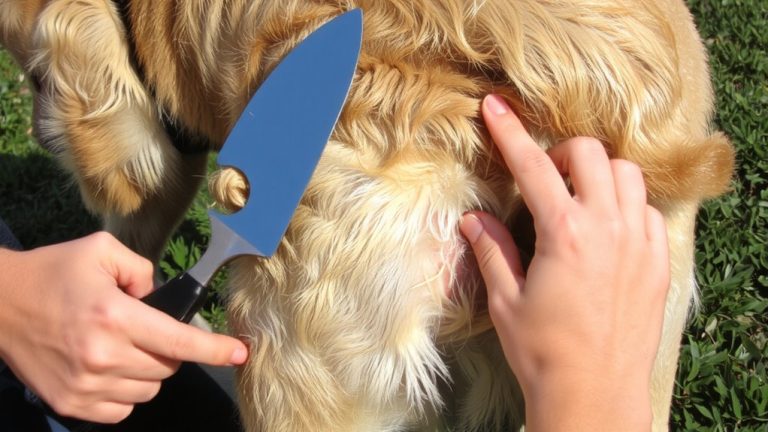
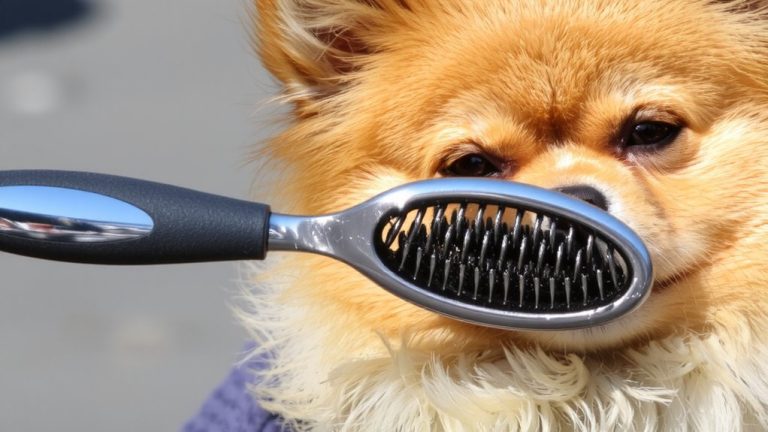
While your senior cat may not move as freely as they once did, keeping up with their grooming is still essential, especially when arthritis is involved. Use a soft-bristled brush or grooming glove for gentle brushing, starting with light pets from head to tail to check sensitive areas. Focus on high-mat zones like behind the ears, under the legs, and around the hindquarters, where stiff joints limit reach. For thorough mat prevention, follow a sequence: begin with a rubber brush to lift loose fur, switch to a pin brush for detangling, and finish with a metal comb near the hind legs. Long-haired senior cats need daily sessions, short-haired ones weekly. Keep routines short and calm to build tolerance. This method supports skin health, reduces discomfort, and strengthens your bond-all crucial for senior cats managing arthritis.
How Arthritis Affects Your Cat’s Grooming Ability
Stiff joints and fading flexibility from arthritis quietly undermine your cat’s ability to groom, turning what was once a natural routine into a painful chore. As your senior cat ages, arthritis reduces flexibility, making it hard to twist and reach their back, tail, and hindquarters during self-grooming. Painful grooming motions from osteoarthritis discourage frequent licking and cleaning, leading to an unkempt coat and dandruff buildup. Without regular care, matted fur develops behind ears, under legs, and around the rear. Declining grooming ability increases the risk of skin irritation and sores, especially in unreachable zones. Even short-haired senior cats may show impacted fur and visible dandruff every 6 weeks. You’ll notice less grooming time, patchy coat texture, and greasy fur-clear signs their grooming ability has declined due to stiff joints and discomfort.
When to Call a Pro for Arthritic Cat Grooming
You’ve already seen how arthritis can slow down your cat’s grooming routine, leaving behind greasy fur, dandruff, and hard-to-reach tangles every 6 weeks. When your arthritic cat develops persistent mats that won’t loosen with fingers or cornstarch, a professional groomer is essential to prevent skin trauma. Overgrown claws that curl into paw pads or hinder walking need expert trimming to avoid pain and infection. If your senior cat resists gentle grooming or can’t reach the hindquarters, resulting in soiling, sanitary trims by a groomer experienced in feline care are vital. Extensive matting or skin irritation during brushing also demands immediate attention. Always consult a professional groomer trained in senior cats’ needs, and coordinate with veterinary care when behavior or health changes occur. Early intervention supports comfort, hygiene, and long-term well-being.
Daily Comfort Tips for Senior Cats With Arthritis
How do you keep your senior cat comfortable during daily grooming when arthritis makes movement painful? Use soft-bristled brushes or grooming gloves for gentle brushing, focusing on areas they can’t reach-behind the ears, under the legs, around the hindquarters-where mats form every six weeks. Support their stiff joints by grooming on a non-slip surface to prevent slipping and reduce pain. Senior cats with sensitive skin need extra care, so avoid pulling; use cornstarch for mats instead of cutting. Calm your cat with soft speech, treats, and familiar grooming gloves, like those used with Dolly-Chiny, to apply calming techniques. Short, low-pressure sessions prevent strain, making grooming a soothing ritual, not a struggle. You’re not just cleaning their coat-you’re supporting mobility, comfort, and trust every day.
On a final note
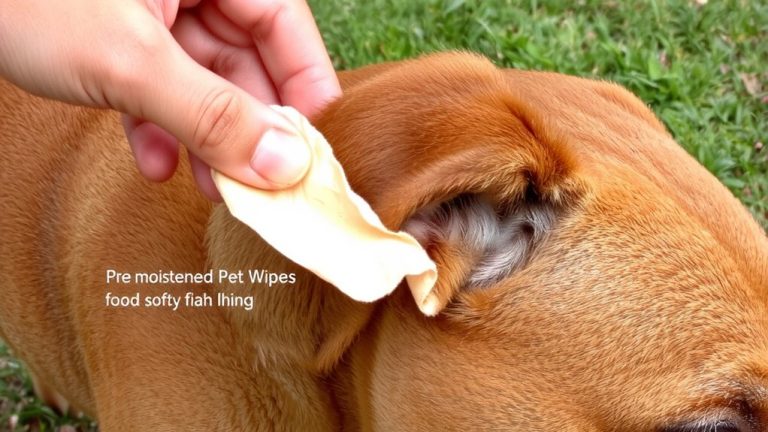
You can keep your senior cat comfortable and well-groomed with a soft-bristle brush, gentle strokes, and 5–10 minute sessions. Arthritis limits mobility, so focus on sensitive areas like base of tail and shoulders. Use non-slip mats during grooming, and consider vet-recommended wipes or waterless shampoos. Daily brushing prevents matting, boosts circulation, and strengthens your bond-all critical for joint health and overall wellness.