How to Find Cat Food With Appropriate Taurine Levels for Heart Health
Look for AAFCO-approved cat food with “complete and balanced” on the label, ensuring at least 0.10% taurine in dry food or 0.20% in canned food on a dry-matter basis. Choose formulas with real chicken, turkey, or salmon as the first ingredient, and check that “taurine” is listed in the ingredients. Avoid dog food and vegan diets-they lack taurine. Trusted brands like Royal Canin and Hill’s Science Diet meet these standards. Homemade diets need vet approval to prevent deficiency, and spotting early signs like lethargy can protect heart health. More insights on ideal feeding practices follow.
We are supported by our audience. When you purchase through links on our site, we may earn an affiliate commission, at no extra cost for you. Learn more. Last update on 19th July 2026 / Images from Amazon Product Advertising API.
Notable Insights
- Check for an AAFCO “complete and balanced” statement to ensure taurine levels meet minimum requirements for heart health.
- Look for at least 0.10% taurine in dry food and 0.20% in canned food on a dry matter basis.
- Choose cat foods with taurine listed as an added ingredient, especially in grain-free or fish-heavy formulas.
- Prioritize animal-based proteins like chicken, turkey, beef, or salmon, with organ meats for natural taurine content.
- Avoid dog food, vegan diets, and unapproved homemade recipes, which lack sufficient taurine and increase DCM risk.
Check the Label: Choose AAFCO-Approved Food With Taurine
When you’re picking a diet to support your cat’s heart health, start by checking the label for an AAFCO statement of nutritional adequacy-it’s your best guarantee the food meets feline taurine requirements. Look for “complete and balanced” with an AAFCO designation, which means the commercial cat food meets strict taurine levels-0.10% in dry and 0.20% in canned food for growth. Taurine must be listed in the ingredients, as it’s essential for preventing dilated cardiomyopathy (DCM). Trusted brands like Royal Canin®, Hill’s Science Diet®, and Purina One® are AAFCO-approved and include added taurine. Avoid boutique, vegetarian, or homemade diets without an AAFCO label-they often lack taurine. Always choose cat food with taurine clearly stated to support long-term heart health.
Feed Taurine-Rich Animal Proteins First
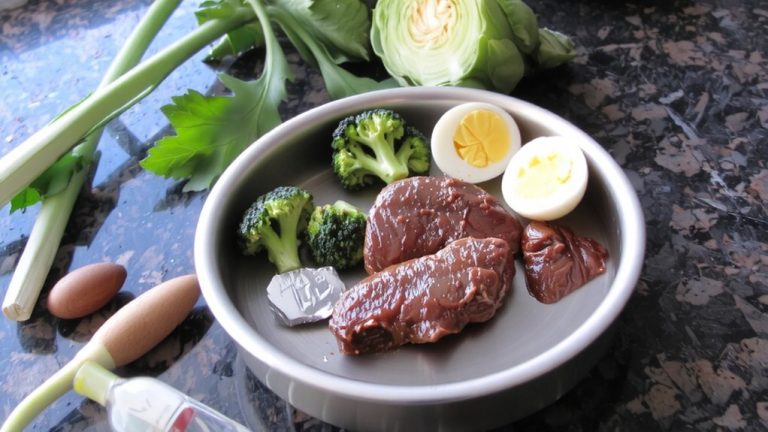
You’ve checked the label and confirmed the food meets AAFCO standards with adequate taurine-now it’s time to focus on the quality of the protein sources in your cat’s bowl. Taurine is found only in animal-based proteins, so prioritize taurine-rich ingredients like real chicken, turkey, beef, or salmon. These high-quality animal proteins support strong heart health and help prevent dilated cardiomyopathy. Organ meats pack an even bigger punch-chicken liver and heart are especially dense in taurine. When choosing commercial cat foods, look for animal meat listed first, ideally including organ meats. This mimics a natural feline diet and guarantees your cat gets the essential nutrients they can’t make on their own. While shellfish like shrimp offer taurine too, feed them sparingly and always cooked. Stick to whole, animal-based proteins for the best defense against taurine deficiency and long-term cardiac issues.
Skip Dog Food and Vegan Diets: They Lack Taurine
While dogs can make taurine on their own, cats can’t-so feeding your cat dog food puts them at serious risk for deficiency, even if it’s just a short-term swap. Dog food lacks sufficient levels of this essential amino acid, putting your cat at risk for taurine deficiency in cats, which can lead to dilated cardiomyopathy (DCM) and irreversible heart disease. Vegan diets are no better; they contain no taurine, since it’s only found in animal-based proteins. Without taurine supplementation, these plant-based diets fail to support feline heart health. Commercial cat food meeting AAFCO standards includes added taurine to prevent deficiency, unlike dog food or vegan diets, which aren’t required to meet feline-specific needs. Skip both-stick to nutritionally complete cat food proven to deliver the taurine your cat must have.
Pick Taurine-Fortified Cat Food
Since taurine is essential for your cat’s heart health and they can’t produce it on their own, picking a commercial cat food that’s fortified with this critical nutrient is non-negotiable. Choose a taurine-fortified cat food labeled as meeting AAFCO nutrient profiles, ensuring at least 0.10% taurine in dry food and 0.20% in canned food on a dry matter basis. Look for animal-based proteins like chicken, turkey, or fish at the top of the ingredient list-these naturally boost taurine levels. Always check that “taurine” appears as an added ingredient, especially in grain-free or high-fish formulas where taurine stability can vary. Avoid commercial cat food without an AAFCO statement, as it may fall short on taurine and raise the risk of dilated cardiomyopathy (DCM). Trusted brands like Royal Canin, Hill’s Science Diet, and Purina Pro Plan consistently exceed AAFCO taurine requirements, supporting strong heart health.
Get Vet Approval for Homemade Diets
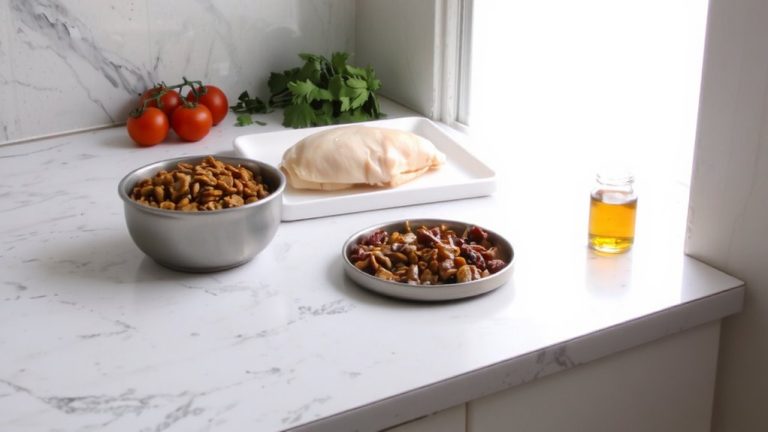
If you’re preparing your cat’s meals at home, getting veterinary approval is essential-because even slight taurine imbalances can lead to serious heart issues. Most homemade diets lack sufficient dietary taurine, putting cats at risk for taurine deficiency and dilated cardiomyopathy (DCM). A 2019 study found 90% of published recipes were deficient, even when including animal-based proteins. Without vet approval, these unbalanced homemade diets may seem healthy but aren’t nutritionally complete. Board-certified veterinary nutritionists use nutrient analysis software to formulate meals meeting American Feed Control Officials (AAFCO) guidelines-minimum 0.1% taurine on a dry-matter basis, or 1000–2000 mg/kg. They guarantee precise supplementation so your cat gets what it needs. Don’t guess-get professional help to protect your cat’s heart long-term.
Spot Early Signs of Taurine Deficiency
How do you know if your cat’s diet is falling short on taurine before serious damage sets in? Watch for early signs of taurine deficiency, like lethargy, pale gums, and labored breathing-common symptoms of dilated cardiomyopathy (DCM), a serious heart condition linked to low taurine. Vision issues often show up first; if your cat starts bumping into objects or avoids moving in dim light, retinal degeneration may be underway. These changes can precede heart failure, so don’t wait. Cats on dog food or vegetarian diets are especially at risk. Hearing loss, though rarer, can also occur. The best defense? Blood taurine level testing, especially if your cat’s diet isn’t balanced. Catching deficiency early through testing can prevent irreversible damage and keep your cat’s heart and vision strong.
Support Heart Health With Taurine-Rich Foods
Taurine isn’t just another ingredient-it’s a lifeline for your cat’s heart. As an essential nutrient and amino acid, taurine for cats supports strong cardiac muscle function and prevents dilated cardiomyopathy (DCM), a serious heart condition. Feeding a commercial cat food that meets AAFCO standards guarantees your cat gets 250–1000 mg/kg of taurine, crucial for long-term heart health. Look for animal proteins like chicken heart or beef heart in food labels-these organ meats pack over 1,000 mg per 100 grams. If your cat has early DCM, vets may recommend taurine supplements, with doses of 250–500 mg daily showing measurable improvement in 3–8 weeks. Always avoid dog food or plant-based diets-they’re dangerously low in taurine. Choosing AAFCO-approved food delivers the right balance, making heart health easy to support every day.
On a final note
You’ve got this: choose AAFCO-approved cat food with taurine clearly listed, aim for at least 0.1% taurine in dry food or 0.2% in wet, and prioritize animal-based proteins like chicken, turkey, or fish. Avoid dog food or vegan diets-they’re taurine-poor. Real testers see stronger heart function in cats on taurine-fortified formulas. Vet-approved homemade diets can work, but get them checked. Spotting dull coats or lethargy early helps. Feed smart, stay consistent, and your cat’s heart stays strong.