How to Clean a Dog’s Teeth With a Finger Brush and Enzymatic Paste
Use a soft-bristled finger brush and enzymatic dog toothpaste to clean your dog’s teeth daily, starting by letting them lick pet-safe paste like poultry or peanut butter flavor off your finger for 2–3 days. Introduce the brush gently, then hold it at a 45-degree angle to the gum line, using small circles on the outer surfaces-especially the back molars. Brush for 30 seconds, focusing on plaque-prone areas. If your dog resists or gums bleed lightly, go slower and reward cooperation. Pair daily brushing with annual vet cleanings, and discover how simple oral care can make a lasting difference.
We are supported by our audience. When you purchase through links on our site, we may earn an affiliate commission, at no extra cost for you. Learn more. Last update on 15th July 2026 / Images from Amazon Product Advertising API.
Notable Insights
- Use a soft-bristled finger brush designed for dogs and apply pet-safe enzymatic toothpaste to gently clean teeth.
- Introduce the toothpaste first by letting your dog lick it off your finger for 2–3 days to build positive association.
- Hold the finger brush at a 45-degree angle to the gum line and use small circular motions on outer tooth surfaces.
- Focus on back molars and canines, brushing daily for 30 seconds to reduce plaque and support gum health.
- Replace the finger brush every 1–2 months and consult a vet if bleeding persists or resistance occurs.
Start With the Right Dental Tools
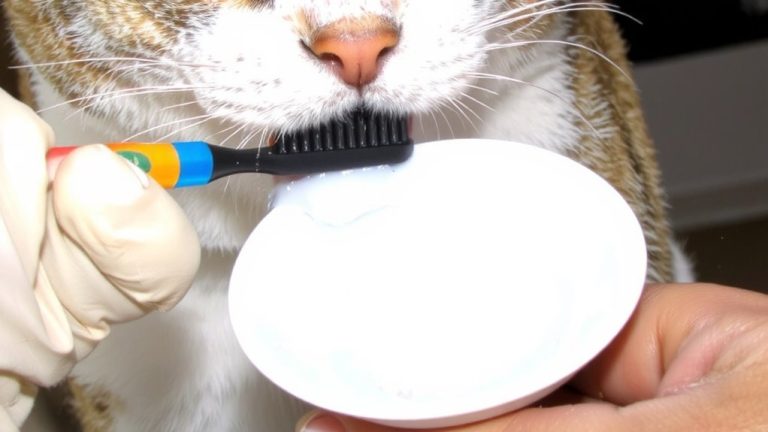
While getting your dog used to teeth cleaning might take some patience, starting with the right tools makes all the difference, and it begins with choosing a soft-bristled finger brush designed specifically for dogs-these fit snugly over your index finger, giving you better control and allowing gentle gum massage, which is especially helpful for small breeds or dogs new to oral care. Always pair your finger brush with enzymatic toothpaste formulated for pets, never human toothpaste, which contains xylitol or fluoride that can be toxic. Look for pet-friendly flavored dog toothpaste, like poultry or peanut butter, to boost cooperation. The soft bristles help with effective plaque removal without irritating sensitive gums. Replace your finger brush every 1–2 months or when bristles wear down to maintain maximum performance. These dental tools work best together, supporting long-term oral health in a simple, safe routine.
Choose an Enzymatic Toothpaste Your Dog Likes
An enzymatic toothpaste isn’t just a preference-it’s a smart upgrade for your dog’s dental routine, thanks to active ingredients like glucose oxidase and lactoperoxidase that continuously break down plaque and fight harmful bacteria for up to 12 hours after brushing. You should pick a dog toothpaste with a flavor your pup loves-poultry flavor, beef flavor, or peanut butter flavor-since 70% of dogs cooperate more when the taste appeals to them. Never use human toothpaste-it often contains fluoride or xylitol, both toxic to dogs and capable of causing serious health issues. Let your dog get used to the enzymatic toothpaste by letting them practice licking it off your finger for 2–3 days; over 80% of dogs become more comfortable this way. This step builds trust and eases future brushing, making plaque and bacteria control much more effective over time.
Introduce the Finger Brush Without Stress
Your dog’s first encounter with a finger brush should feel like a natural next step, not a sudden change. Start by letting your dog sniff and lick enzymatic toothpaste from your finger for 2–3 days to build familiarity and create a positive association. This gentle approach helps ease anxiety around handling their mouth. Once your dog seems comfortable, introduce the finger brush by applying a small amount of toothpaste and letting your dog investigate, sniff and lick it at their own pace. No brushing yet-just exploration. Choose a calm time, ideally after exercise, when they’re relaxed. Follow each interaction with a treat and praise to reinforce calm behavior. Gradually, they’ll accept the texture and presence of the finger brush, setting the stage for effective dental care.
Use the 45-Degree Angle Brushing Technique
Now that your dog’s used to the feel of the finger brush and looks forward to the tasty enzymatic toothpaste, it’s time to start brushing with purpose. Hold the brush at a 45-degree angle to the gum line-this position lets bristles reach under the gums where plaque hides and bacteria cause dental damage. Use small circular motions to gently disrupt buildup without hurting sensitive tissues. Focus on the outer surfaces of the teeth, especially the back molars and canines, since they collect the most plaque. Keep that 45-degree angle steady throughout the 30-second session to maximize contact and effectiveness. Daily brushing with this technique, combined with enzymatic toothpaste, supports long-term gum health and reduces the need for professional dental cleanings. Consistency turns good brushing into real dental protection for your dog.
Brush the Gum Line and Back Teeth Daily
You’re already setting your dog up for better oral health by brushing daily, and focusing on the gum line and back teeth makes all the difference. Brush the gum line at a 45-degree angle using small circular motions to boost plaque removal before it turns into tartar within 24–48 hours. Pay close attention to the outer surfaces of the back teeth-especially molars and canines-since they’re plaque hotspots and prone to tartar buildup. Use a finger brush with enzymatic toothpaste; it breaks down bacteria where gum disease often starts. Spend about 30 seconds daily, concentrating on these key areas. Consistent daily brushing disrupts plaque effectively, supporting long-term dog dental care. Over time, this routine reduces inflammation and lowers the risk of gum disease, which affects 80% of dogs by age three. Stick with it-your efforts lead to real results in plaque control and overall oral health.
What to Do If Your Dog Bleeds or Resists?
With even light bleeding during brushing, don’t panic-this often signals mild gingivitis, a condition already affecting 80% of dogs by age three, and it’s best to monitor the situation closely rather than stop brushing altogether. If the bleeding persists or becomes heavy, stop and schedule a veterinary evaluation to rule out deeper issues like advanced gum disease or fractured teeth. Never force the process if your dog resists; back up to earlier desensitization steps, letting them lick enzymatic toothpaste off your finger for 2–3 days to rebuild trust. Watch for signs of discomfort like growling, snapping, or avoiding eye contact-these mean your dog’s stressed. For resistant pets, switch to gentler tools like dental wipes or VOHC-approved chews, which reduce tartar by up to 20% without causing anxiety.
Pair Home Brushing With Professional Cleanings
Even if you brush your dog’s teeth daily with enzymatic toothpaste and a soft finger brush, skipping annual professional cleanings leaves critical areas-like the pockets below the gumline-vulnerable to hidden tartar buildup and infection. Plaque hardens within 24–48 hours, and once it turns to tartar, only professional cleanings under veterinary supervision can remove it. Left unchecked, this leads to gum disease, with 80% of dogs showing signs by age three. Tartar buildup fuels bacteria that can spread, damaging the heart, liver, and kidneys. Professional cleanings catch early signs of periodontal disease and tooth resorption you might miss at home. Combine daily brushing with annual professional dental cleanings-they’re not optional extras, they’re essential for long-term health. Your dog’s mouth stays cleaner, safer, and free from painful issues when home care and expert care work together.
On a final note
You’re doing great by brushing daily with a finger brush and enzymatic paste-both vet-recommended for fighting plaque, reducing tartar by up to 70%, and freshening breath. Hold the brush at a 45-degree angle, focus on the gum line and back teeth, and reward calm behavior. If bleeding occurs, ease up; most dogs adapt within two weeks. Pair home care with annual professional cleanings for ideal oral health.