Why Human-Edible Ingredients Are Rare in Commercial Pet Food
I uncovered why human-edible ingredients are nearly absent in pet food—and what that means for your pet’s health.
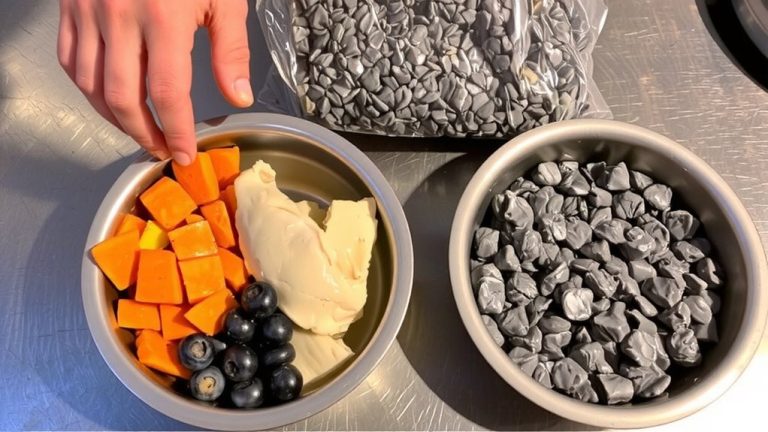
I uncovered why human-edible ingredients are nearly absent in pet food—and what that means for your pet’s health.
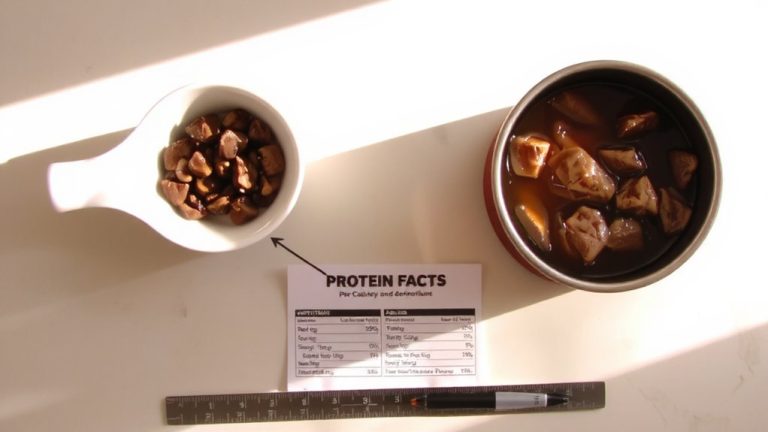
Most pet food labels lie about nutrition—master the math to uncover the real protein power behind wet and dry diets.
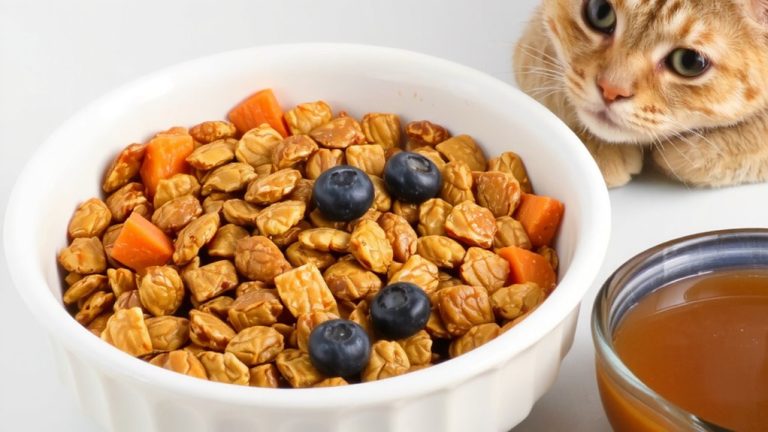
AAFCO’s label only sets minimums — protein can range 27-50% and calories 333-602 kcal/cup and still qualify. See the 40 nutrients and ratios that actually matter.
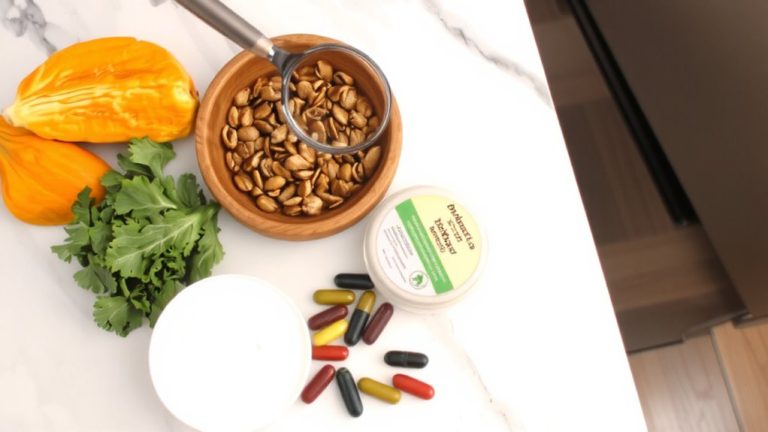
Spotting the truth behind probiotic claims starts with decoding strain names and CFU guarantees—what’s really in your dog’s bowl could be a far cry from what’s promised.

Just because a treat looks appealing doesn’t mean it’s safe—discover why artificial colors could be worsening your dog’s skin issues.

I uncovered the truth behind “farm-raised” labels—what they hide might change how you choose pet food forever.

Many commercial dog foods hit a 12:1 omega-6 ratio from corn and soy—above the 10:1 threshold linked to inflammation and allergies. See why salmon oil beats flaxseed and how to check your dog’s food label.
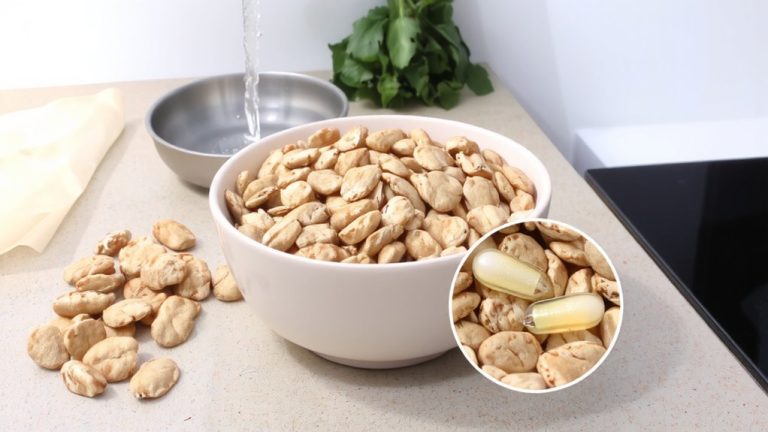
Just decoding cat food labels the right way could be the key to preventing painful urinary crystals—discover the stealth ingredients that make all the difference.

Knowing how life stage labels affect nutrition can make or break your dog’s health—here’s what really matters.
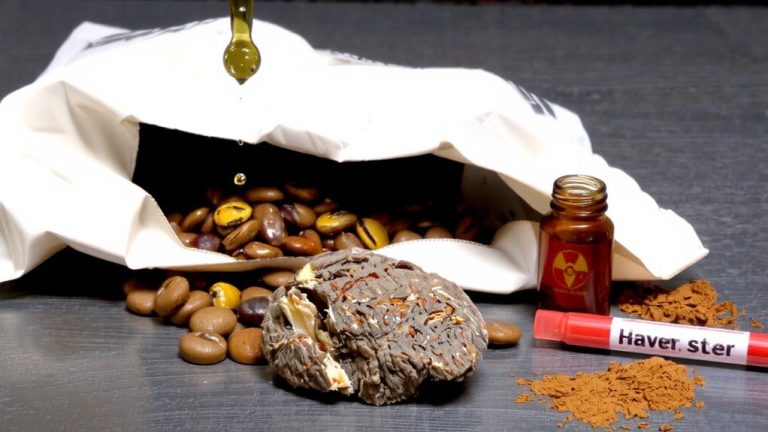
Discover how hidden preservatives like ethoxyquin lurk in cat food—even when not listed—and why switching to natural alternatives could save your cat’s health.