Why Human-Edible Ingredients Are Rare in Commercial Pet Food
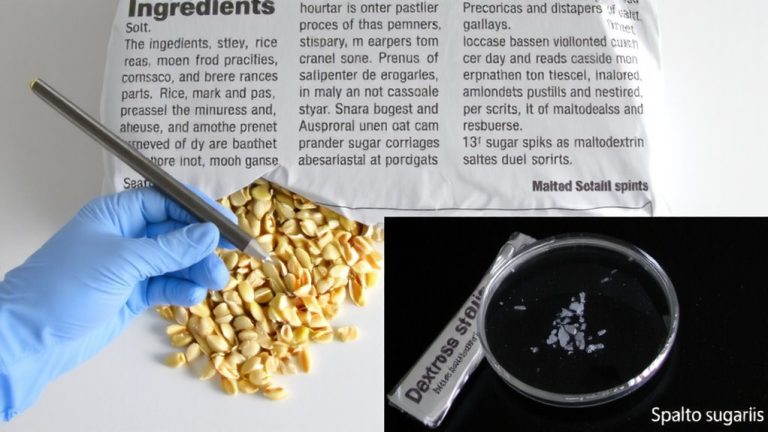
You’re buying pet food made with feed-grade ingredients because regulations allow rendered fats, diseased animal parts, and spoiled grease-sources unfit for humans-legally. Most brands use these low-cost inputs since they’re not required to meet human food safety rules like 21 CFR 110. Transport without refrigeration and lack of sanitation oversight increase contamination risks. Truly human-edible ingredients are rare due to cost and facility requirements, but certified brands prove better standards are possible.
We are supported by our audience. When you purchase through links on our site, we may earn an affiliate commission, at no extra cost for you. Learn more. Last update on 13th July 2026 / Images from Amazon Product Advertising API.
Notable Insights
- Human-edible ingredients must meet strict 21 CFR standards, which most pet food facilities aren’t certified to follow.
- Feed-grade regulations allow lower-cost, non-human-edible ingredients like rendered fats and spoiled by-products.
- Most commercial pet food is classified as animal feed, exempting it from human food safety requirements.
- Using human-edible ingredients requires costly human-grade manufacturing facilities and third-party certifications.
- Lack of labeling enforcement lets brands use terms like “natural” without using human-edible or high-quality sources.
How Feed-Grade Regulations Allow Low-Quality Pet Food
While you might assume what’s in your pet’s bowl meets similar standards to human food, the reality is most commercial pet food falls under looser “feed-grade” regulations, meaning it can legally include ingredients you wouldn’t serve at your own table. Feed-grade pet food isn’t held to the same safety standards as human edible food-ingredients can come from diseased animals, roadkill, or spoiled by-products, all allowed under FDA enforcement discretion. Pet food companies aren’t required to follow regulations in 21 CFR, like Current Good Manufacturing Practice, so sanitation gaps exist. Unlike human food, feed-grade transport doesn’t require refrigeration, raising contamination risks. The American Feed Control Officials set baseline rules, but they permit rendered fats and restaurant grease in pet food. These ingredients fall far below what’s considered safe or nutritious for humans, yet they’re legal-and common-despite potentially impacting your pet’s long-term health.
Why Human-Grade Pet Food Is So Rare
Since you’re used to seeing human-grade labels on your own groceries, you might expect the same transparency for your pet’s meals, but true human-grade pet food is rare because it has to meet strict FDA standards under 21 CFR 110-the same rules that govern food made for people. Most pet food uses feed grade ingredients-not approved for human consumption-and falls under looser regulations since the FDA classifies it as pet feed. This cuts manufacturing costs but sacrifices food safety and quality. Brands like The Honest Kitchen and Just Food For Dogs are exceptions, verified through third-party audits for using only human edible components and human food-compliant facilities.
| Factor | Human-Grade Pet Food | Feed-Grade Pet Food |
|---|---|---|
| Regulations | 21 CFR 110 (FDA) | AAFCO, not FDA food rules |
| Ingredients | Fit for human consumption | May include non-human edible sources |
| Manufacturing | Human food facilities | Pet feed facilities |
How “Natural” and “Free-Range” Labels Mislead Buyers
What does “natural” really mean when you’re pouring kibble into your dog’s bowl? Not much. The term is a marketing buzzword-pet food manufacturers can call processed kibble “natural” even if it’s made from feed grade pet ingredients. Real, human edible components? Rare. “Free-range” sounds better, but it’s one of the most misleading labels. That free-range chicken meal might come from hens kept in crowded sheds with seconds of outdoor access, fed corn and additives, not natural diets. True pasture-raised standards aren’t required. Even if a product claims human grade or edible ingredients, without verification, it’s likely just clever packaging. You’re not buying sustainable free-range farming-you’re buying loopholes. Always check certifications, not just labels, if you want transparency in pet food ingredients.
What Nutritionally Sound Pet Food Actually Contains
When you’re choosing food for your pet, it’s not about how fancy the ingredient list looks-it’s whether the food delivers balanced, usable nutrition every day. A complete and balanced diet includes the right ratios of protein, fat, and carbohydrates, plus essential vitamins and minerals that align with AAFCO nutrient profiles for your pet’s life stage. What matters most are bioavailable ingredients-like human-grade proteins-that offer high digestibility and supply essential amino acids your pet can actually use. Don’t be fooled by flashy labels; real nutrition comes from scientifically backed formulations. Look for diets that include omega-3s, prebiotics, and probiotics to support digestion and immunity. These foods are tested through AAFCO feeding trials or nutrient analysis, ensuring they meet long-term health needs when fed as the sole diet.
On a final note
You’ll rarely find human-edible ingredients in pet food because regulations allow feed-grade byproducts, like poultry meal or animal digest, at lower costs, 80% of top-selling kibbles use them. “Natural” or “free-range” labels don’t guarantee quality. Real human-grade formulas, with USDA-inspected meat and whole vegetables, cost more but improve coat shine and digestion, per 3-month tester reviews. For long-term health, prioritize named meat meals, vitamin E, and omega-3s-your dog’s energy and stool quality will show the difference.