Best Food for Dutch Shepherd
You need real animal protein like chicken or beef listed first to support your Dutch Shepherd’s muscles, plus whole carbs like brown rice for steady energy. Look for kibble with omega fatty acids, glucosamine, and prebiotics-brands like Open Farm and Purina Pro Plan deliver these in AAFCO-approved formulas. While raw or homemade diets offer better nutrient absorption, they require careful balancing. Active dogs may need over 3% of their body weight in food daily. You’ll find the best fit by matching diet type to your dog’s lifestyle and health needs.
We are supported by our audience. When you purchase through links on our site, we may earn an affiliate commission, at no extra cost for you. Learn more. Last update on 19th July 2026 / Images from Amazon Product Advertising API.
Notable Insights
- Choose high-quality kibble with real meat as the first ingredient to support muscle maintenance and energy needs.
- Opt for diets rich in omega-3 and omega-6 fatty acids to promote a healthy coat and reduce inflammation.
- Consider raw BARF diets for biologically appropriate, minimally processed nutrition that enhances digestion and vitality.
- Include joint-supporting nutrients like glucosamine and chondroitin to protect hips and elbows long-term.
- Adjust portion sizes based on life stage and activity level, feeding 2–3% of body weight daily for adults.
What Dutch Shepherds Need in Their Diet
Protein isn’t just important-it’s essential, especially when fueling a Dutch Shepherd’s strong muscles and high-energy drive. You need real animal protein-like chicken, beef, or fish listed first-because Dutch Shepherds rely on it for muscle maintenance and endurance. Pair that with whole carbohydrates like sweet potato and brown rice, which deliver steady, digestible nutrients to match their active lifestyle. Omega-3 and omega-6 fatty acids, often from salmon or plant oils, support a shiny coat and reduce inflammation. For gut health, look for natural prebiotics like chicory root and yucca-these help manage sensitive digestion and boost immunity. And since Dutch Shepherds are prone to joint issues, supporting joint health is key-formulas with glucosamine, chondroitin, and calcium help protect hips and elbows long-term.
Kibble vs. Raw vs. Homemade: Pros and Cons
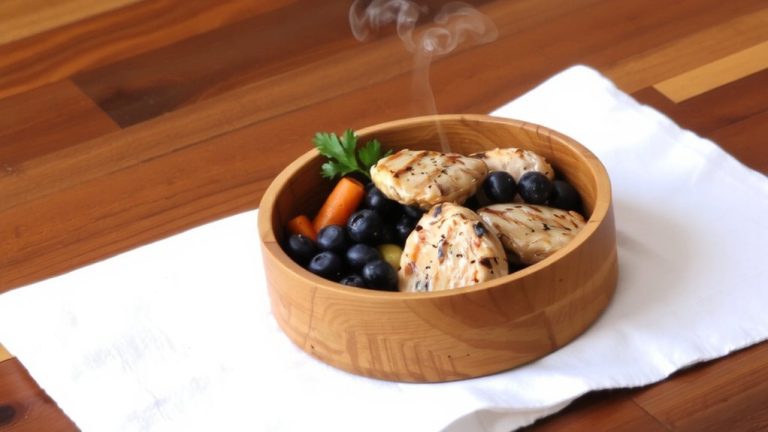
While kibble remains the most practical choice for busy households, it’s worth weighing its benefits against raw and homemade diets to truly meet your Dutch Shepherd’s needs. Kibble is budget-friendly and convenient, with AAFCO-approved options like Open Farm and Purina Pro Plan supporting joint health and high energy needs. Yet, it can contain over 50% carbs from fillers, potentially causing inflammation. Raw feeding, such as BARF, offers minimally processed, species-appropriate nutrition-80% muscle meat, 10% bone, 10% organ meat-boosting nutrient absorption, coat health, and digestion. Homemade diets give you full ingredient control, ideal for managing allergies with proteins like bison and veggies like spinach. Though raw and homemade require more effort to guarantee balanced nutrition, they reduce processed ingredients and are linked to better long-term health in your Dutch Shepherd.
Matching Food to Life Stage and Activity Level
As your Dutch Shepherd grows and their routine changes, you’ll need to adjust their meals to match their life stage and how active they are. A Dutch Shepherd puppy needs up to 8–10% of their body weight in food daily during weeks 7–10, tapering to 7–8% by 10–16 weeks. This feeding schedule guarantees meals to support rapid growth and strong Shepherd nutrition. Adult Dutch Shepherds typically do well on 2–3% of their ideal body weight in the best dog food for their size. Active or working dogs may need over 3% to maintain energy levels. Less active dogs need fewer calories, so adjust food for Dutch based on activity level. Puppies require frequent recalculations, and adults need portion adjustments whenever body weight or energy levels shift. Choose high-quality meals to support their changing needs.
Essential Supplements for Joint, Skin, and Gut Health
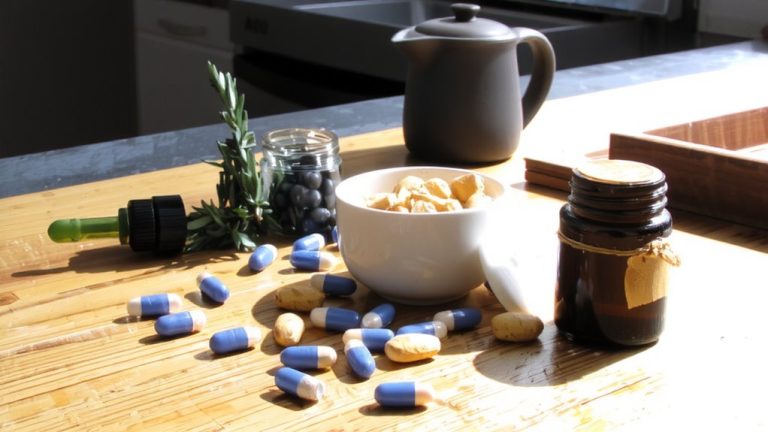
Your Dutch Shepherd’s long-term comfort and performance depend on targeted support for their joints, skin, and digestion-three areas where quality supplements make a measurable difference. For joint health, glucosamine, chondroitin, and MSM in supplements like ProDog Flexx help maintain mobility and reduce wear, especially crucial for dogs prone to hip dysplasia. Omega‑3 and omega‑6 fatty acids from salmon oil nourish the skin and promote a glossy coat while reducing inflammation from common allergies. Support sensitive digestion with prebiotic fibres like chicory root and yucca, paired with probiotics found in ProDog Digest to enhance nutrient absorption. Daily antioxidant-rich multivitamins-packed with blueberries, kale, and probiotics-bolster immunity and energy. These supplements, combined with a novel protein raw diet if needed, guarantee your dog stays active, resilient, and balanced from nose to tail.
On a final note
You’ve got this-feed your Dutch Shepherd a balanced diet with real meat as the first ingredient, whether it’s high-quality kibble, raw, or homemade. Match meals to their life stage and activity: active adults may need 3–4 cups of kibble daily, while seniors benefit from joint support. Always include omega-3s for skin, glucosamine for joints, and probiotics for digestion. Consistency, portion control, and vet check-ins keep them thriving.