Best Homemade Food for Kittens: Recipe + Feeding Guide
You can make the best homemade food for kittens using fresh, human-grade ingredients like cooked boneless chicken, rice, fish oil, and eggshell powder for calcium. Always add taurine-1 tsp per batch-to support heart and eye health, and mix in vitamin A and D to meet AAFCO growth standards. Blend ingredients thoroughly, serve 3–4 small meals daily, and store extras in the fridge for up to three days or freeze in portions. You’ll find more tips to get it just right.
We are supported by our audience. When you purchase through links on our site, we may earn an affiliate commission, at no extra cost for you. Learn more. Last update on 19th July 2026 / Images from Amazon Product Advertising API.
Notable Insights
- Use high-quality animal protein like cooked chicken to support muscle development in growing kittens.
- Add essential supplements such as taurine, vitamin A, vitamin D, and calcium for balanced nutrition.
- Avoid toxic ingredients like onions and garlic, and limit carbohydrates to small amounts of rice or sweet potato.
- Gradually transition kittens to homemade food over seven days to prevent digestive upset.
- Consult a veterinarian before starting a homemade diet to ensure it meets AAFCO nutritional standards.
Is Homemade Kitten Food Right for You?
Wondering if making kitten food at home is the right move for you and your little one? Homemade kitten food gives you full control over ingredients, ensuring fresh, high-quality meals tailored to your kitten’s health. But it’s not just about cooking meat-your recipe must meet strict nutritional needs, including animal-based protein, taurine, calcium, and vitamins A and D. Most homemade diets require taurine powder or multivitamin supplements to hit AAFCO standards and prevent deficiencies. Skipping these can lead to serious health issues. You’ll also need to shift gradually, mixing increasing amounts of homemade food over seven days to avoid stomach upset. Even with careful planning, every kitten is different. That’s why you must consult your veterinarian before starting- they’ll help customize the diet and monitor for imbalances, ensuring your kitten stays healthy as they grow.
What Your Kitten Needs to Grow Strong
You’ve decided to prepare meals at home for your kitten, and now it’s time to get the nutrition right. Your kitten needs high-quality animal protein-like cooked chicken-to fuel rapid growth and build strong muscles. Don’t skip healthy fats, either; sources like chicken fat or fish oil provide concentrated energy and support brain and vision development. Calcium is non-negotiable: it must be added in the right ratio to phosphorus to guarantee proper bone formation and overall growth. Since homemade diets lack naturally balanced minerals, you’ll need to supplement with calcium and key nutrients like taurine, vitamin A, and vitamin D to meet AAFCO standards. Moist ingredients such as cooked meats and pureed veggies help keep hydration up, which supports kidney function and digestion. Getting these core components right-chicken for protein, healthy fats for energy, and calcium for bones-lays the foundation for a healthy, active kitten.
How to Choose Ingredients for Homemade Kitten Food
A solid foundation starts with smart ingredient choices, and when it comes to feeding your kitten a homemade diet, quality matters most. Choose fresh, human-grade proteins like skinless chicken or cooked fish-they’re rich in essential nutrients and align with feline animal nutrition needs. Always skip harmful foods like onions or garlic, and limit carbs to small amounts of digestible rice or sweet potato. For complete homemade cat food recipes, supplements are non-negotiable.
| Nutrient | Source Example |
|---|---|
| Protein | Boneless chicken, turkey |
| Healthy fats | Fish oil, chicken fat |
| Taurine | Taurine powder (essential) |
| Calcium | Eggshell powder, bone meal |
These choices guarantee your kitten gets crucial essential nutrients for growth, avoiding gaps that could harm long-term health.
Easy Homemade Kitten Food Recipes to Try
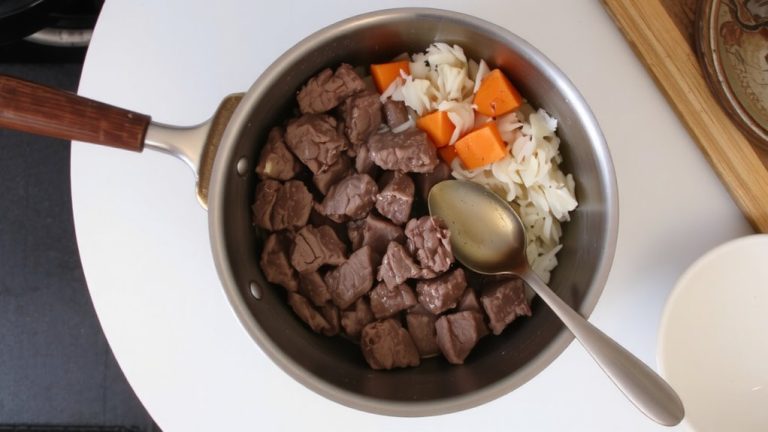
Now that you’ve selected high-quality ingredients aligned with your kitten’s nutritional needs, it’s time to put them to work in meals that are both simple to prepare and balanced for growth. Try the Chicken and Rice Delight recipe: mix cooked chicken, rice, pureed carrots, fish oil, taurine, and bone meal for a complete homemade kitten food. For a raw option, blend 700g bone-in chicken wings, 50g chicken liver, 50g beef kidney, 100g chicken heart, and 1 tsp taurine-use a high-powered blender to safely pulverize raw meat and bones. This raw mix delivers essential amino acids and mirrors a natural feline diet. Start with small amounts, mixing raw meat or cooked chicken into your kitten’s current food, increasing over a week to avoid digestive upset. Serve 3–4 small meals daily, using fresh or refrigerated food for up to three days.
How to Prepare and Store Homemade Kitten Food
Your kitten’s health starts with what’s in the bowl, so preparing homemade meals with care makes all the difference. To make balanced homemade kitten food, combine cooked chicken or turkey with cooked rice, pureed carrots, fish oil, taurine powder, and bone meal. Mix thoroughly-especially the 1 tsp taurine per batch-to evenly distribute essential nutrients. Use only skinless, boneless meats to avoid choking hazards and digestive issues. Once prepared, store the food in airtight containers in the fridge for up to three days, or freeze in ice cube trays for easy portioning. Thaw servings in the refrigerator to maintain safety and texture. Always sanitize utensils, bowls, and surfaces after prep, especially when handling meat. This routine keeps your homemade kitten food fresh, nutritious, and safe, supporting strong growth and digestion from day one.
Avoid These Homemade Kitten Food Mistakes
While feeding your kitten homemade meals can support ideal growth, skipping key nutrients or including risky ingredients might do more harm than good. Many homemade diets miss taurine, but your kitten needs 25–50 mg per 1,000 kcal daily to avoid serious heart and vision damage. Never feed raw chicken liver without verified testing-Salmonella and Campylobacter risks are too high for fragile kittens. Stick to safe protein sources and avoid high-carb fillers like rice; kittens thrive on protein and fat, not empty carbs. You must add calcium-use ground eggshell at 1.5% of total weight-to prevent skeletal issues from unbalanced meat-only meals. And keep liver at just 5–10% of the recipe to maintain nutritional balance and avoid vitamin A toxicity. Proper homemade diets demand precision, but getting it right means stronger development, better digestion, and long-term health for your growing kitten.
How to Safely Switch Your Kitten to Homemade Food
Since a sudden change in diet can upset your kitten’s delicate digestive system, it’s best to shift slowly over four weeks, starting with just 1 teaspoon of homemade food mixed into their current meal during the first five days. Gradually increase to 50% homemade and 50% old food by days 10–15 to ease the shift. Always guarantee your homemade recipes include critical supplements like taurine-kittens can’t thrive without proper nutritional balance. Before starting, consult a board-certified veterinary nutritionist, as most DIY diets lack key nutrients unless expertly formulated. Monitor your kitten’s weight, energy, and stool throughout the switch, adjusting portions to meet their daily caloric needs. A smooth shift supports long-term health, digestive comfort, and growth-giving your playful little one the strong foundation they need from day one.
On a final note
You’re giving your kitten real, fresh nutrition they can thrive on, and that’s a big win. Stick to balanced recipes with 50% muscle meat, 15% organ, and shell-free bone meal for calcium. Always add taurine-100 mg per pound of food-to support heart and vision health. Mix in kitten milk replacer or fish oil for DHA. Gradually shift over 7 days. Store portions in 2 oz servings, use within 4 days, or freeze for up to 3 months.