Identifying and Managing Canine Immune-Mediated Thrombocytopenia (ITP)
Your dog’s immune system mistakenly destroys platelets in ITP, putting them at risk for bleeding when counts drop below 20,000/µL. Watch for petechiae, melena, or gum bruising, and confirm with a CBC, blood smear, and tick-panel testing. Start prednisone at 1–2 mg/kg daily, adding vincristine if platelets don’t rise in 3–5 days. Taper only after counts stay above 100,000/µL for a month. Keep up year-round tick prevention and monitor pre- and post-vaccine titers to reduce relapse risk, which can reach 31%. There’s more you should know about long-term stability and treatment adjustments.
We are supported by our audience. When you purchase through links on our site, we may earn an affiliate commission, at no extra cost for you. Learn more. Last update on 19th July 2026 / Images from Amazon Product Advertising API.
Notable Insights
- ITP in dogs is an autoimmune disorder causing immune-mediated platelet destruction, leading to severe thrombocytopenia and bleeding risk below 20,000–30,000/µL.
- Key clinical signs include petechiae, ecchymoses, melena, hematuria, and nonspecific symptoms like lethargy or anorexia despite normal alertness.
- Diagnosis requires CBC, blood smear, tick-borne disease testing, and imaging or bone marrow evaluation to exclude secondary causes.
- First-line treatment involves immunosuppressive prednisone (1–2 mg/kg daily), with vincristine or other immunosuppressants added if unresponsive.
- Prednisone tapering begins only after platelet counts exceed 100,000/µL for one month, with monitoring for relapse and avoidance of unnecessary vaccines.
What Is ITP in Dogs?
Think of your dog’s platelets as tiny clotting helpers racing to seal any cuts in their blood vessels. In immune-mediated thrombocytopenia (ITP), your dog’s immune system destroys platelets, mistaking them as threats. This autoimmune disease, known as Thrombocytopenia in Dogs, leads to dangerously low platelet counts and raises bleeding risks. ITP occurs when normal platelet levels-typically 200,000 to 500,000/µL-drop below 20,000–30,000/µL, where spontaneous bleeding can happen. There are two forms: primary ITP, with no known trigger, and secondary ITP, linked to infections like ehrlichiosis, cancer, or drug reactions. ITP is a medical emergency. Middle-aged female dogs, especially Cocker Spaniels, Poodles, and Old English Sheepdogs, are most at risk. Immediate diagnosis and immunosuppressive treatment, often starting with prednisone at 1–2 mg/kg/day, are critical to stop the immune system from destroying platelets and prevent life-threatening bleeding.
Common Signs of ITP in Dogs
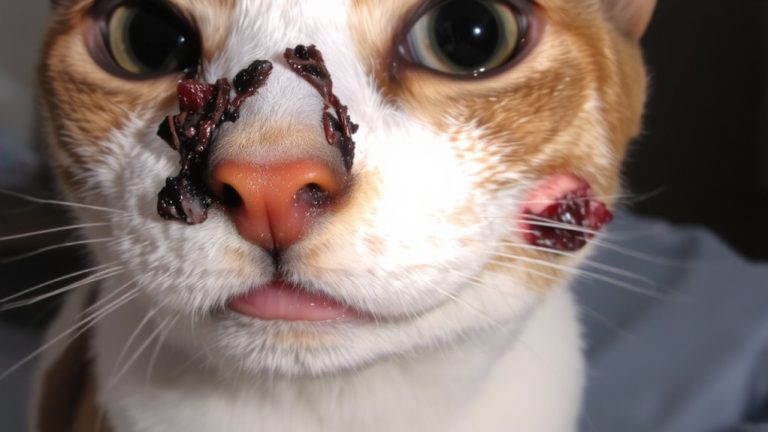
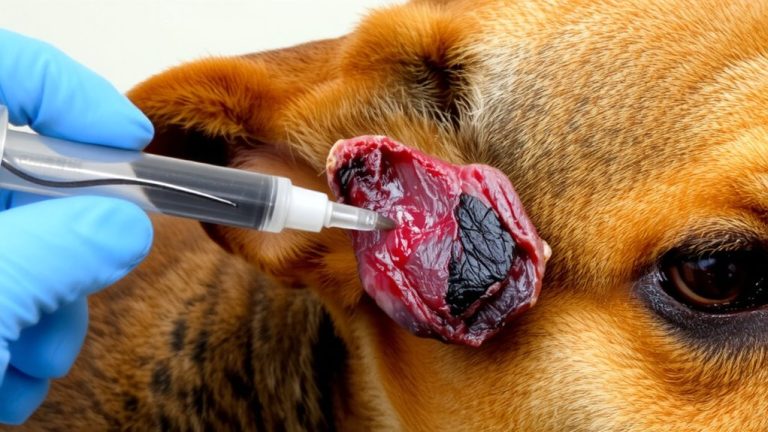
When your dog’s immune system turns against its own platelets, the drop in cell count can lead to visible and internal signs of bleeding, even though some dogs seem surprisingly alert at first. You might notice petechiae or ecchymoses on the gums, belly, or ears. Other signs include epistaxis, melena, or hematuria-indicating systemic hemorrhage. Despite severe thrombocytopenia, overt spontaneous bleeding isn’t always immediate. Lethargy, anorexia, and weakness are common early clues. Watch closely, as sudden internal bleeding can escalate.
| Sign | Location/Appearance | Implied Risk |
|---|---|---|
| Petechiae | Pinpoint red spots | Low platelets (<20,000/µL) |
| Ecchymoses | Bruised, discolored patches | Subcutaneous bleeding |
| Melena | Black, tarry stool | GI tract hemorrhage |
| Hematuria | Pink or red urine | Urinary tract bleeding |
How Vets Diagnose ITP in Dogs
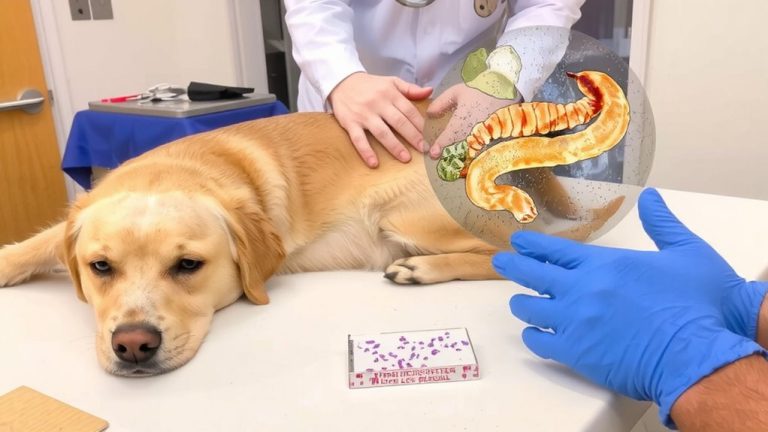
How do vets pinpoint immune-mediated thrombocytopenia in your dog? They start with a complete blood count (CBC) and blood smear to confirm thrombocytopenia and check for false lows due to platelet clumping. Your vet will also test for infectious diseases, especially tick-borne diseases like Ehrlichia or Babesia, which can mimic ITP. Diagnostic testing may include an abdominal ultrasound and chest X-rays to rule out tumors or organ issues causing secondary thrombocytopenia. A bone marrow aspirate is often needed to assess platelet production and exclude lymphoma before starting immunosuppressive therapy. If tests for infections, cancer, and other causes come back negative, and your dog has persistent low platelet numbers with compatible symptoms, primary ITP is diagnosed by exclusion.
Treatment for Immune-Mediated Thrombocytopenia
While your dog’s body is mistakenly attacking its own platelets in immune-mediated thrombocytopenia (ITP), the goal of treatment is to quickly suppress that immune response and prevent life-threatening bleeding, and the first step usually involves immunosuppressive doses of prednisone or prednisolone at 1–2 mg/kg once daily, which most dogs tolerate well with minimal side effects like increased thirst, urination, or appetite, though close monitoring is key. If your dog’s platelet count stays below 20,000/µL or doesn’t improve within 3–5 days, your vet may add vincristine, which can speed recovery. Glucocorticoids like prednisone are often effective, but if they fail, alternative treatment options include azathioprine or cyclosporine. A blood transfusion is rarely used due to rapid platelet destruction but may be necessary for severe bleeding.
Supporting Recovery and Preventing Relapse
What happens after your dog starts responding to treatment for ITP? You’ll need to focus on supportive care and close monitoring to prevent relapse. Even if your dog improves, relapse rates range from 9% to 31%, and a second relapse raises the risk again. Keep up with regular platelet counts, especially during dose adjustments of immunosuppressive medications like prednisone-taper slowly only after platelet counts stay at or above 100,000/µL for a month with no bleeding. Watch for signs of secondary ITP due to tick-borne disease or infections. Use year-round tick prevention and avoid unnecessary vaccination, which can trigger relapse. When revaccinating, consider titers and monitor platelet counts before and after. Consistent monitoring, smart dose adjustments, and proactive supportive care give your dog the best shot at lasting recovery.
On a final note
You’ve got this: with early vet care, your dog can beat ITP. Treatment often starts with prednisone at 1–2 mg/kg daily, cutting inflammation fast. Add in a soft, bland diet-think boiled chicken and rice-to ease digestion. Use non-slip mats at home to prevent slips, and skip rawhide chew toys; they’re risky when platelets are low. Monitor closely, stick to follow-ups, and keep activity calm. Most dogs respond in 1–2 weeks, and many stay in remission with careful management.