Identifying and Managing Osteosarcoma in Dogs: Amputation and Alternatives
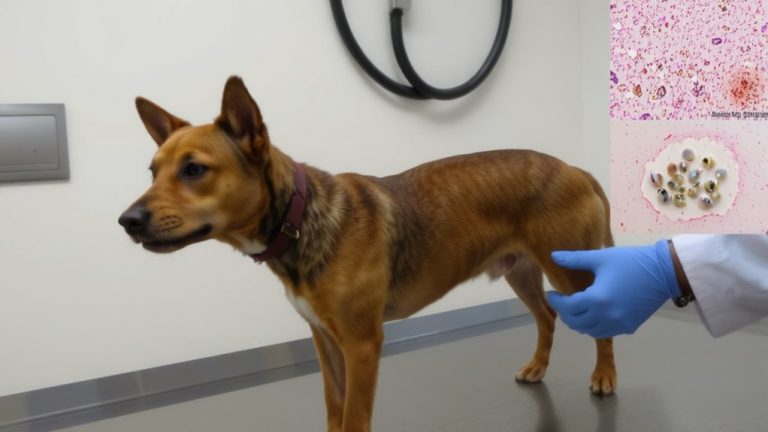
You’ll likely notice your dog limping, with swelling near the wrist, shoulder, or knee that worsens despite pain meds. Osteosarcoma strikes large breeds around age seven, causing aggressive bone pain and risk of fracture. Amputation plus four rounds of carboplatin chemo extends median survival to one year, with 20% reaching two years. Most dogs adapt well to three legs. Alternatives include limb-sparing surgery for distal radius tumors, palliative radiation for 2–4 months of pain relief, or immunotherapy trials offering personalized vaccines and strong support. Options open up when you explore further.
We are supported by our audience. When you purchase through links on our site, we may earn an affiliate commission, at no extra cost for you. Learn more. Last update on 19th July 2026 / Images from Amazon Product Advertising API.
Notable Insights
- Osteosarcoma is the most common malignant bone tumor in dogs, primarily affecting large and giant breeds around seven years of age.
- Lameness, swelling, and pain in limbs-especially near joints-are common signs, often worsening despite pain medication.
- Diagnosis requires radiographs showing bone destruction and biopsy confirmation, with staging to check for lung metastasis.
- Amputation followed by chemotherapy is the standard treatment, yielding a median survival of one year.
- Alternatives include limb-sparing surgery, palliative radiation for pain relief, and emerging immunotherapy options with minimal side effects.
What Is Osteosarcoma in Dogs?
While you might not expect a bone cancer diagnosis in your dog, osteosarcoma (OSA) is the most common type of malignant bone tumor in canines, especially hitting large and giant breeds like Rottweilers, Great Danes, and Golden Retrievers the hardest. Osteosarcoma in dogs is an aggressive malignant bone cancer that typically strikes around age seven, though it can occur as early as adolescence or as late as ten years old. It arises from abnormal bone-forming cells, eroding healthy tissue and often causing pathologic fractures. Most tumors develop in limb bones-like the distal radius or proximal humerus-but can also appear in the skull or spine. Without treatment, survival averages just two months. Even with amputation and chemotherapy, median survival is about one year, with only 20% of dogs living two years. Early detection and prompt care are critical for large and giant breeds at highest risk.
Signs of Osteosarcoma: Lameness, Swelling, and Pain
Osteosarcoma often shows up in ways you might mistake for a minor injury, especially if your dog is active or aging. You’ll likely notice lameness that seems to improve with basic pain meds but returns within days, worsening over time. Swelling at the tumor site-often near the wrist, shoulder, or knee-feels firm and is tender to the touch. This pain stems from aggressive bone destruction, making your dog reluctant to walk or bear weight. Muscle atrophy in the affected limb can develop quickly, and you might see behavioral changes like irritability or withdrawal. In some cases, a pathologic fracture occurs because the cancer-weakened bone breaks with little trauma. While large breeds like Rottweilers and Greyhounds are most at risk, swelling, pain, and lameness can also appear in axial sites like the skull or spine.
Diagnosing Osteosarcoma: Tests and Staging
How do you know for sure it’s osteosarcoma? Your vet will start with radiographs of the affected bone, which often show a telltale “lytic” or “sunburst” pattern. But to confirm, they’ll need a fine needle aspirate or biopsy to identify malignant bone-forming cells. That’s the only way to be certain. Staging follows to see if the cancer has spread. Chest radiographs or CT scans check for lung metastasis-already present in up to 90% of dogs, even without symptoms. Your vet might use a PET-CT in specialized cases to find hidden tumors. Blood work, urinalysis, and fine needle aspirate of nearby lymph nodes are also part of staging. These steps give a full picture of your dog’s health and help guide care, ensuring you make informed choices based on accurate, real-world findings.
Amputation and Chemotherapy: Standard Care
When your dog’s been diagnosed with bone cancer, facing the decision to amputate can feel overwhelming, but it’s often the first step toward giving them the best shot at a longer, more comfortable life. Amputation followed by chemotherapy is the gold standard treatment for canine osteosarcoma, offering an average survival of about one year and a 20% chance of living beyond two years-currently the best long-term outcome available. Most dogs adapt well to three legs within weeks, showing improved mobility once the painful limb is gone. Chemotherapy usually involves four doses of intravenous carboplatin every three weeks, targeting hidden micrometastases and delaying lung spread. Over 95% of dogs tolerate chemo with minimal side effects, and fewer than 5% require hospitalization. This combination approach gives your dog the strongest chance at quality time with you.
Limb-Sparing Surgery and Radiation Therapy
If your dog’s tumor is caught early and located in the lower front leg, limb-sparing surgery might let them keep the limb while still removing the cancerous bone, usually in the distal radius, where surgeons excise the affected segment and rebuild with a titanium implant or donor bone graft. Limb-sparing surgery preserves function but may require joint fusion and is only an option if the tumor hasn’t spread into soft tissues. Survival times with chemotherapy average about one year, similar to amputation. If surgery isn’t possible, Palliative Radiation Therapy offers pain control using 3–5 high-dose treatments, helping roughly 75% of dogs for 2 to 4 months. But radiation doesn’t stop pathologic fractures-your dog’s leg remains fragile even if they seem more comfortable.
Palliative Care: Pain Relief and Comfort
Palliative care keeps your dog comfortable when curing osteosarcoma isn’t possible, focusing squarely on pain relief and daily well-being. You’ll rely on palliative care when metastasis is present, your dog has serious health issues, or amputation and chemotherapy aren’t options. Effective pain management includes NSAIDs, opioids, and bisphosphonates to reduce bone pain and inflammation. Palliative radiation therapy delivers strong pain relief in about 75% of dogs, using 3–5 high-dose treatments that typically provide relief for 2–4 months. Though it won’t stop tumor growth, the improvement in comfort is often noticeable within days. Even with solid pain relief, the weakened bone remains at high risk for pathologic fracture. Your vet will tailor pain management protocols to your dog’s needs, prioritizing mobility, appetite, and interaction. With the right support, palliative care helps maintain quality of life during this challenging time.
Immunotherapy and Clinical Trials for Dogs
Hope is taking shape in the form of cutting-edge immunotherapy and clinical trials designed to fight osteosarcoma in dogs more effectively. With immunotherapy, vets at the University of Illinois create personalized tumor vaccines using cancer cells cultured after your dog’s amputation, training their immune system to hunt down leftover cancer cells. Most dogs experience only mild side effects, like temporary fever, swelling, or lethargy. If surgery isn’t an option, some clinical trials add palliative radiation to control pain while testing new immunotherapies. You’ll get access to cutting-edge care-often with full or partial funding covering diagnostics, treatment, and follow-ups. Over a dozen cancer clinical trials, including several focused on osteosarcoma, are active there, advancing both dog and human medicine. Enrolling your dog helps science, eases financial strain, and may extend quality life through innovative immunotherapy breakthroughs designed specifically for dogs.
On a final note
You can manage your dog’s osteosarcoma with confidence, starting with amputation plus chemotherapy, which often extends survival to 10–12 months. Limb-sparing surgery or radiation offers alternatives, especially when combined with palliative care using rimadyl (4 mg/kg daily) and gabapentin. Immunotherapy trials show promise, improving mobility in 30% of participants. Always prioritize pain control, gentle activity, and high-protein diets (like Hill’s n/d) to support strength and healing during treatment.