Feline Diabetes Insipidus vs. Mellitus: Key Differences
Your cat’s excessive thirst and urination could mean diabetes mellitus or insipidus, but they’re very different. Diabetes mellitus, common in older, overweight cats, causes high blood sugar (often >250 mg/dL) and glucosuria, leading to osmotic diuresis. Insipidus, rare, involves faulty ADH or kidney response, producing very dilute urine (specific gravity <1.006) despite normal glucose. Vets use bloodwork, urinalysis, and sometimes a desmopressin trial to tell them apart-knowing which one your cat has changes everything.
We are supported by our audience. When you purchase through links on our site, we may earn an affiliate commission, at no extra cost for you. Learn more. Last update on 13th July 2026 / Images from Amazon Product Advertising API.
Notable Insights
- Diabetes mellitus is common in cats and caused by insulin deficiency or resistance; diabetes insipidus is rare and due to ADH issues.
- Both conditions cause excessive thirst and urination, but diabetes mellitus results from osmotic diuresis due to high blood glucose.
- Diabetes insipidus causes very dilute urine from poor water reabsorption due to lack of ADH or kidney unresponsiveness.
- Diagnosis of mellitus shows high blood glucose and glucosuria, while insipidus has normal glucose and low urine specific gravity (<1.006).
- Treatment differs: insulin manages diabetes mellitus, while desmopressin can treat central diabetes insipidus but not nephrogenic forms.
Feline Diabetes: Mellitus vs. Insipidus – What’s the Difference?
Ever wonder why your cat is drinking more water than usual or making frequent trips to the litter box? You’re likely dealing with either diabetes mellitus in cats or the far rarer diabetes insipidus in cats. Feline diabetes most often means diabetes mellitus, where insulin deficiency or resistance leads to high blood glucose. It’s managed with insulin injections and dietary changes. But if your cat shows polyuria and polydipsia without high blood glucose, think diabetes insipidus. This type stems from issues with Anti-Diuretic Hormone (ADH): central diabetes insipidus results from deficient ADH production, while nephrogenic diabetes insipidus occurs when kidneys don’t respond to it. Central cases may need desmopressin, not insulin. Always confirm with blood and urine tests-accurate diagnosis guides correct treatment, so consult your vet before assuming it’s typical feline diabetes.
Why Do Both Types Cause Excessive Thirst and Urination?
Why does your cat keep heading back to the water bowl, only to make another trip to the litter box minutes later? Both Diabetes Insipidus and diabetes mellitus cause excessive thirst and increased urination in cats, though the underlying causes differ. In Insipidus, a lack of antidiuretic hormone means the kidneys can’t concentrate urine, so your cat produces large volumes of dilute urine. With diabetes mellitus, high blood sugar levels trigger osmotic diuresis-glucose spills into the urine, pulling water with it. Both paths lead to dehydration, driving your cat to drink more. Without treatment, urine concentration stays poor or glucose remains high, worsening symptoms.
| Condition | Mechanism |
|---|---|
| Insipidus | Low ADH, poor urine concentration |
| Diabetes Mellitus | High glucose, osmotic diuresis |
How Insulin and ADH Regulate Cat Health
You’ve likely noticed your cat drinking more water and making frequent trips to the litter box, signs tied to both diabetes insipidus and mellitus, but the real story lies in how two key hormones-insulin and ADH-keep your cat’s body in balance. Insulin, made by the pancreas, helps regulate blood sugar by moving glucose into cells; without producing enough insulin or due to insulin resistance, blood glucose levels rise, causing diabetes mellitus, often from failure of the pancreas. Meanwhile, antidiuretic hormone (ADH) controls water reabsorption so your cat doesn’t lose too much fluid. In diabetes insipidus, ADH dysfunction leads to dilute urine, triggering extreme thirst. A water deprivation test helps distinguish between diabetes insipidus and diabetes mellitus. With proper care, monitoring clinical signs, and treatment, cats can live full, healthy lives.
What Causes Each Type of Feline Diabetes?
| Type | Key Cause | Common Triggers |
|---|---|---|
| Diabetes Mellitus | Insulin deficiency & resistance | Obesity, aging, poor diet |
| Central DI | Low ADH production | Head trauma, tumors |
| Nephrogenic DI | Kidney unresponsiveness to ADH | Kidney disease, drugs |
How Vets Diagnose DI vs. DM in Cats
How do vets tell the difference between diabetes insipidus and diabetes mellitus when your cat’s constantly drinking and peeing? Veterinarians diagnose diabetes by starting with lab work to check blood and urine. They rule out common issues like diabetes mellitus, chronic kidney disease, and hyperthyroidism first. With diabetes mellitus, you’ll see high blood glucose (often >250 mg/dL) and sugar in the urine. But to diagnose diabetes insipidus, your cat’s blood sugar will be normal while their urine stays very dilute-urine osmolality is low, and specific gravity is often under 1.006. The modified water deprivation test may be used carefully to assess concentration ability. vets also measure urine osmolality before and after giving desmopressin. If urine concentrates, it’s likely central DI; if not, it may be nephrogenic. These steps clearly differentiate diabetes insipidus and diabetes mellitus.
Is Treatment for DI the Same as for DM?
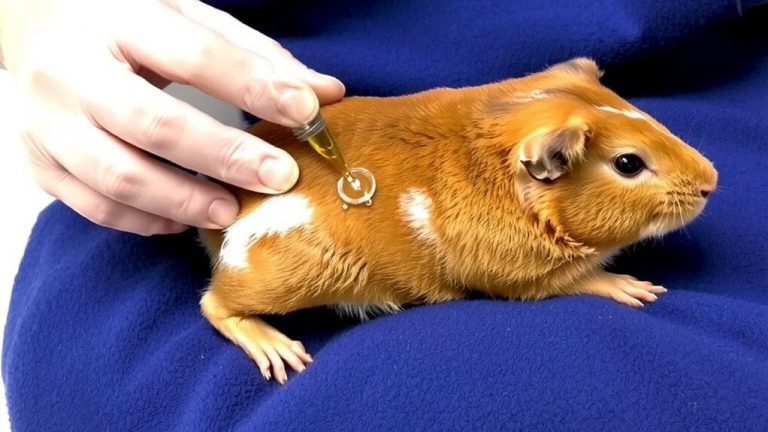
Why do treatments for diabetes insipidus and diabetes mellitus differ so drastically in cats? Because they stem from entirely different problems. The treatment for DI isn’t the same as treatment for DM. Diabetes insipidus results from faulty water balance, not blood sugar control. For central diabetes insipidus, you’ll use desmopressin, a synthetic ADH, given as drops or injections to replace deficient hormone. Nephrogenic diabetes insipidus is harder to manage and depends on correcting underlying kidney issues. You won’t use insulin injections-they’re essential for diabetes mellitus but useless here. The management of diabetes mellitus focuses on insulin, diet, and glucose monitoring. With DI, free access to water is critical to prevent dehydration, but overhydration from too much desmopressin can cause vomiting or neurological signs.
Prognosis and Long-Term Management for Each Condition
While both conditions require careful attention, your cat’s long-term outlook depends heavily on the type of diabetes they have. With diabetes mellitus, the prognosis is often favorable-up to 60% of cats achieve remission with early insulin therapy, a high-protein, low-carb diet, and consistent monitoring of blood glucose and fructosamine levels every 3–6 months. Lifelong management may be needed, and you’ll watch closely for hypoglycemia. For diabetes insipidus, long-term management varies: central DI typically responds to synthetic ADH (like desmopressin), while nephrogenic DI is harder to control. Transient cases may resolve, but congenital forms need continuous care. In both conditions, guarantee constant access to fresh water, multiple litter boxes, and prompt vet visits if symptoms worsen.
On a final note
You now know the key differences between feline diabetes insipidus (DI) and diabetes mellitus (DM), both causing increased thirst and urination. DM, more common, stems from insulin deficiency-managed with insulin injections, like Lantus, and a low-carb diet, such as Purina DM. DI involves ADH failure, treated with desmopressin drops. Regular vet checks, glucose monitoring with a AlphaTRAK 2, and consistent feeding times improve outcomes. Early diagnosis means better long-term control.