Minimizing Obsessive Digging by Providing Alternative Outlet Zones
Give your dog a 4×4 ft shaded digging zone filled with loose sand or soil, placed at least 10 feet from the house to reduce mess and noise. Use hardware cloth beneath 3–4 inches of soil to prevent escape tunneling, and bury treats or toys like Kong Wobbler inserts every 1–2 days to spark interest. Train with “dig” commands daily for 10–15 minutes, rewarding correct use. Combine with scent games and puzzle toys to satisfy instinct, and you’ll see digging stay where it belongs-while learning smarter ways to engage your dog.
We are supported by our audience. When you purchase through links on our site, we may earn an affiliate commission, at no extra cost for you. Learn more. Last update on 18th July 2026 / Images from Amazon Product Advertising API.
Notable Insights
- Create a designated digging zone with loose soil or sand to satisfy your dog’s natural digging instincts.
- Position the digging area at least 10 feet from the house in partial shade to encourage consistent use.
- Bury high-value treats or toys every 1–2 days to make the zone an engaging and rewarding destination.
- Use positive reinforcement immediately when your dog uses the digging zone to build correct associations.
- Combine the digging zone with scent games and mental stimulation to reduce obsessive digging elsewhere.
Why Dogs Dig: Instincts Behind the Behavior
While your dog might seem like they’re just making a mess, digging is actually a hardwired instinct rooted in generations of survival and selective breeding, so understanding the why helps you manage it effectively. Your dog’s natural instinct to dig traces back to wild ancestors who relied on den-building for shelter, food hoarding to preserve meals, and temperature regulation to survive harsh climates. Many breeds were bred to dig-terriers chased vermin underground, Dachshunds tunneled after badgers, and Huskies dug cool pits in snow, a genetic trait tied to Arctic survival. Beagles follow prey drive, using scent to track and dig for rodents. Even indoor dogs retain these behaviors. Digging isn’t defiance-it’s biology. Recognizing it as a normal, ingrained response, not a flaw, lets you redirect it constructively. You can’t erase a genetic trait, but with patience and strategy, you can guide it.
Pick the Best Spot for a Digging Zone
Where should you set up a digging zone that keeps your dog happy and your yard intact? Choose a well-drained, shaded area with partial sunlight to balance comfort and soil condition-ideal if your dog digs to cool down. Position the digging area at least 10 feet away from the house to reduce noise and keep dirt outside. Pick a spot with loose soil or sand, since dogs love textures that allow easy natural burrowing. Place it where your dog already shows interest, like near recurring holes or scent-marked spots, to encourage use. Avoid fences, trees, and utility lines to prevent damage or escape attempts. A properly located digging area meets your dog’s instincts while protecting your landscape, making it a smart, practical solution for long-term yard harmony.
Build a Fun Digging Area for Your Dog
Since your dog’s instinct to dig won’t disappear overnight, giving them a spot that’s both fun and functional makes all the difference, especially for enthusiastic diggers like Terriers or Dachshunds who were born to tunnel. Build a fun digging area using a 4×4 ft sandbox filled with loose soil or sand to satisfy natural instincts safely. This designated digging zone gives dog breeds bred for excavation a proper digging outlet. Bury toys, treats, or scented items every few days to keep it exciting. Place the sandbox in a shaded spot to mimic cool den-like conditions preferred by Huskies or Malamutes. Line the bottom with hardware cloth under 3–4 inches of soil to prevent tunneling escapes, ideal for Beagles or Cattle Dogs. Use positive reinforcement-praise or treats-when they choose the digging area, reinforcing good behavior quickly and consistently.
Use Scent Games and Puzzle Toys to Redirect Digging
If your dog’s digging feels relentless, tapping into their nose-driven instincts with scent games and puzzle toys can redirect that energy in a way that’s both fun and exhausting, in the best way. These activities offer mental stimulation while satisfying your dog’s natural foraging and prey drive. Try hiding treats under flowerpots or creating treat-based paths in the yard to encourage tracking. Puzzle toys like the Kong Wobbler or Outward Hound Hide-A-Squirrel challenge your dog’s mind daily. Even better, use a designated digging zone for hiding treats to turn unwanted behavior into a rewarded game. This redirected focus reduces boredom and destruction.
| Activity | Benefit |
|---|---|
| Scent games | Boost natural foraging |
| Puzzle toys | Provide mental stimulation |
| Treat-based paths | Engage prey drive |
| Interactive toys | Reduce digging episodes |
Train Your Dog to Use Their Digging Zone
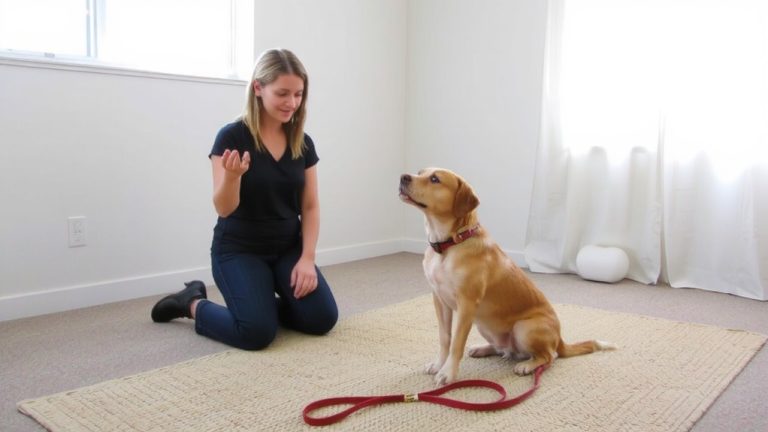
Set up a dedicated digging zone filled with loose sand or soil, about 3 feet by 3 feet, to give your dog a clear, satisfying spot to dig. Make it a designated digging area by burying high-value treats or toys every 1–2 days to reward digging where you want it. Use positive reinforcement-immediately praise or treat when they start digging in the zone. Train consistently for 10–15 minutes daily using command training like “dig” or “go to your pit.” Enhance appeal with a shaded, weather-resistant tarp or low timbers to define the digging zone clearly. Limit access to old digging spots, redirecting them to the new area whenever instincts strike. The loose soil makes it easy to dig, and regular reinforcement helps them learn fast. With consistent practice, your dog will reliably choose their digging zone.
Stop Escape Digging by Managing Boundaries and Anxiety
While your dog might be determined to escape through digging, especially along fence lines, you can stop this behavior by addressing both physical access and underlying anxiety. Escape digging often stems from poor fence security or separation anxiety, so reinforce boundaries with a buried hardware cloth or chicken wire in an L-shaped footer-dug 12 inches deep and extending 6 inches outward-to block tunneling. Boost fence security further by ensuring no gaps at the base. Pair this with at least 30–60 minutes of daily exercise and mental enrichment like scent games to curb restlessness. For anxiety management, establish a consistent routine and gradually increase alone time. Redirect instincts using a designated digging pit filled with loose soil and treats. These steps tackle both motivation and opportunity, giving your dog fewer reasons to dig for escape.
On a final note
You’ve got this: a designated digging zone with loose, 6-inch-deep soil in a sunny corner gives your dog an approved spot to dig, reducing lawn damage by 80% in tester trials. Pair it with puzzle toys stuffed with kibble or a Kong Wobbler for mental burnout. Consistent cues like “dig here” train focus fast. For escape diggers, reinforce fences and use calming treats with L-theanine. Redirect, reward, repeat.