Phasing Out Lures While Maintaining Response Quality
You’re ready to phase out food lures when your dog sits within two seconds, performs five correct trials in a row, and shows no treat-searching in three environments: home, yard, park-hitting 95% reliability. Start hand-signal training after six consistent reps, using an empty palm sweep, rewarding from your pocket, and marking with “yes” the instant they sit. Pair “sit” verbally before each signal, repeat 20 times per session, keep markers sharp, and proof with real-world walks, weaving cues every 25 yards-you’ll see how quickly precision sticks.
We are supported by our audience. When you purchase through links on our site, we may earn an affiliate commission, at no extra cost for you. Learn more. Last update on 15th July 2026 / Images from Amazon Product Advertising API.
Notable Insights
- Phase out food lures only after achieving 95% reliability and five consecutive correct responses with the lure.
- Replace the lure with an empty hand signal that mimics the original movement, rewarding from pocket or pouch.
- Pair the hand signal with a verbal cue just before giving the cue, ensuring precise timing of both.
- Use a marker word like “yes” or a clicker the instant the behavior occurs to reinforce accuracy.
- Maintain consistency across three environments and transition to variable reinforcement after mastery.
Assess Your Dog’s Readiness to Phase Out the Lure
How do you know when your dog’s ready to move on from treats guiding every move? You’re evaluating readiness by checking key signs across training techniques. Your dog must reliably respond within two seconds, hitting the 95% reliability benchmark. Before phasing out food lures, confirm the behavior occurs in five consecutive trials with the lure, and across three distinct environments-home, yard, park-to guarantee generalization. Watch how your dog to respond when no food is visible; if they hesitate or search for a treat, hold off. Response quality matters most. Though this sample focused on five dogs, results align with Dunbar Academy standards. If your dog performs correctly without fixation on food, you’re set. Revisit in 24–48 hours if errors occur, adding practice before retrying. Consistency, speed, and understanding signal true readiness.
Phase Out the Food Lure Using a Hand Signal
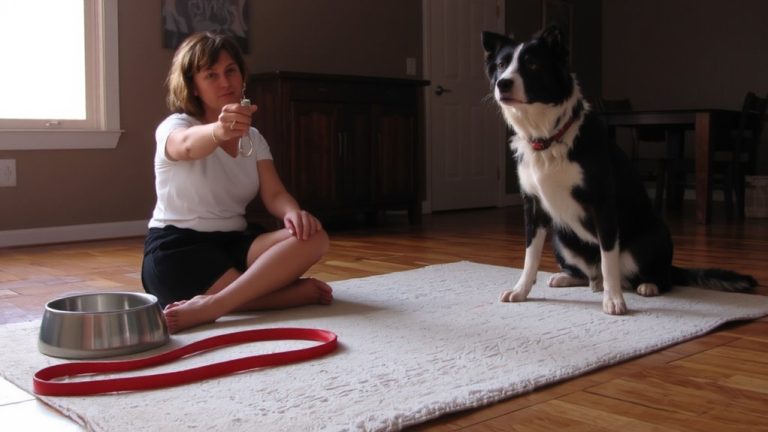
You’ve confirmed your dog responds within two seconds, hits the 95% reliability mark, and performs the behavior without searching for food across five straight trials in multiple locations-home, yard, and park-so now it’s time to shift from using treats as physical guides to relying on clear, consistent hand signals. Begin phasing out the food lure after six repetitions, once your dog consistently follows the lure into position. Replace it with an empty hand signal mimicking the exact movement you used before. Use the same upward sweep to guide your dog to sit, but with an open palm. Reward from your pocket, never in the hand used for signaling. Pair the action with a marker word like “yes” the instant your dog sits. This keeps communication clear, reinforces precision, and maintains trust in the hand signal.
Add the Verbal Cue and Mark the Behavior Instantly
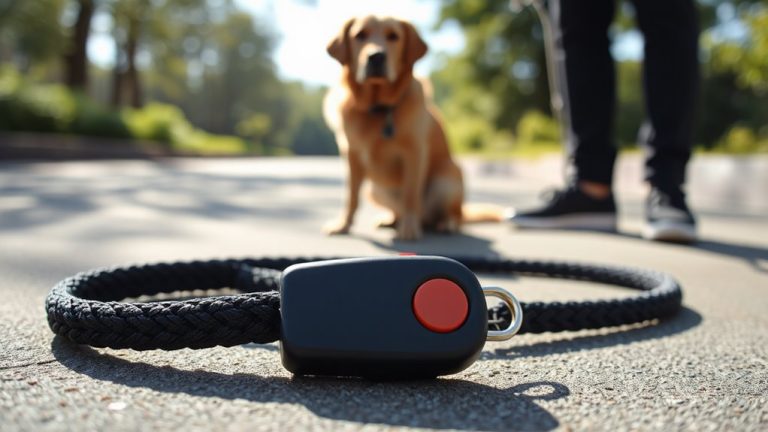
Why wait to shape smarter communication with your dog when you can build clarity in just minutes a day? Start teaching your pet dog by adding a verbal cue-like “sit”-just before the hand signal you’ve already taught. This pairs the word with the action, helping the dog learn faster. The instant your dog performs the behavior, mark the behavior with a clear “yes” or clicker to signal they got it right. Then, deliver a reward from your treat pouch-never before marking-to reinforce the correct sequence. Repeat this verbal cue plus hand signal combo about twenty times per session. After roughly six reps, phase out the food lure but keep marking and rewarding. Consistency here strengthens understanding, so your dog responds promptly, even without the treat in sight. You’re not just training-you’re building trust and precision, one smart moment at a time.
Proof the Behavior in Real-World Settings
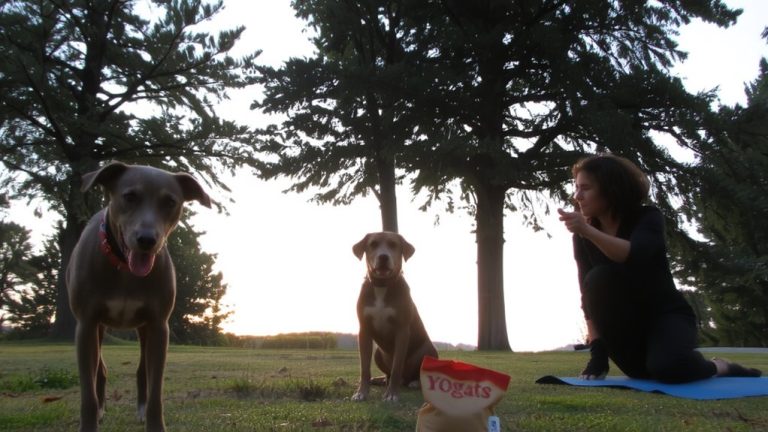
Once your dog nails the cue and responds consistently to both verbal and hand signals in a quiet space, it’s time to test that reliability where life happens. Now’s the time to start proofing the behavior in real-world settings. Dogs learn best through repetition in context, so weave short training interludes every 25 yards on walks or every 15 seconds during play. This movement-especially deliberate hand cues-keeps their focus sharp while protecting precision. An occasional interruption allows you to reset and reinforce the correct response. Use a variable reinforcement schedule with supercharged kibble as a secondary reinforcer to maintain quality without over-relying on treats. For high-distraction moments-like a skateboard whizzing by-apply Plan B or C strategies to back up emergency behaviors like “Sit.” With consistent practice, dogs in the five-stage program hit 90% internal motivation, acing off-lead reliability even in town centers.
On a final note
You’ve built a solid foundation by phasing out food lures, using hand signals, and pairing verbal cues with instant markers, 1–2 second timing being critical, testers found. Now, proofing in real-world settings-parks, sidewalks, even dog-friendly stores-reinforces reliability. Maintain short, 5-minute practice sessions, 3x daily, with high-value treats like Zuke’s Mini Naturals, to lock in focus. Consistency, clarity, and gradual difficulty increases guarantee your dog stays responsive, even with distractions.