Using Calming Signals to Interpret and Respond to Canine Body Language
You’re seeing your dog yawn during a nail trim, lick its lips at a busy park, or turn away when hugged-and those aren’t random habits, they’re clear signs of stress written in plain canine language. Calming signals like these, identified by Turid Rugaas, help dogs cope with discomfort around people and other dogs. Spotting subtle cues-tongue flicks, whale eye, paw lifts-lets you respond before tension escalates. A full-body shake or look-away isn’t defiance; it’s your dog asking for space. Pausing petting, reducing eye contact, or creating distance supports their emotional safety. Recognizing these signals builds trust and prevents stress from turning into snapping or withdrawal, especially in overwhelming situations like vet visits or loud gatherings. Understanding what your dog is trying to tell you changes how you interact, creating calmer outcomes and stronger bonds-there’s more to discover about decoding your dog’s quiet moments.
We are supported by our audience. When you purchase through links on our site, we may earn an affiliate commission, at no extra cost for you. Learn more. Last update on 19th July 2026 / Images from Amazon Product Advertising API.
Notable Insights
- Calming signals are subtle dog behaviors used to reduce tension and prevent conflict in stressful situations.
- Common signals include yawning, lip licking, and turning the head away when not physically tired or eating.
- Context matters: these behaviors indicate stress when seen during vet visits, greetings, or child interactions.
- Respond immediately to signals like freezing or whale eye to prevent escalation to aggression.
- Misreading signals as disobedience increases stress; adjust the environment to support the dog’s emotional well-being.
Define Calming Signals and Why They Matter
While dogs can’t tell us in words when they’re feeling uneasy, they’re constantly sending messages through body language-and learning to read these cues makes all the difference. Calming signals are subtle behaviors dogs use to de-escalate tension and avoid conflict, first identified by dog trainer Turid Rugaas. When a dog feels stressed or overwhelmed, they might yawn, lick their lips, or turn their head away-not just from other dogs, but around people too. These gestures are part of understanding your dog’s emotional state. Over 30 calming signals exist, each offering real-time insight into discomfort before it escalates. Recognizing them helps prevent aggressive outbursts like growling. Spotting a quick glance or ground sniff during nail trims, vet visits, or greetings lets you respond with empathy. Understanding your dog’s body language builds trust, reduces stress, and strengthens your bond-making everyday interactions safer and more positive for both of you.
Spot Common Calming Signals in Dogs
When your dog flicks their tongue quickly over their nose without having just eaten, that’s likely a sign they’re feeling stressed-not just a random habit. Dogs use calming signals to communicate discomfort and reduce tension. A dog looks away to avoid eye contact, helping to de-escalate pressure during greetings or tense moments. You might notice your dog yawning when not tired, especially during nail trims or petting. They may lift a front paw, showing uncertainty in new situations. Sniffing the ground-even with no real interest in scents-is another way dogs use calming signals. These body cues are subtle but clear once you know what to watch for. Learning to read these signs helps you respond kindly and promptly. When you see these behaviors, your dog is using their body language to cope. Spotting them early supports better interactions and calmer outcomes.
Read Context: When Calming Signals Mean Stress
Because dogs can’t tell us in words when they’re feeling overwhelmed, they rely on body language to communicate stress, and recognizing these cues in context makes all the difference. You might see lip licking-quick flicks of the tongue over the nose-when your dog’s being petted too much, not after a meal. That’s a calming signal tied to stress. Out-of-context yawning, like during a vet visit or when a child runs up, isn’t tiredness; it’s anxiety. Ground sniffing with no real interest in smells, especially near other dogs, serves the same purpose. Whale eye-the visible whites around the iris-often pairs with freezing or turning away, signaling discomfort. Alone, these behaviors might seem minor, but in tense situations, they’re clear signs. Reading them in context helps you catch rising stress early, keeping interactions safer and more positive for your dog.
Respond to Calming Signals Immediately
If you catch your dog’s lip licking, yawning, or turning away during a tense moment, don’t wait-respond right then, since those subtle cues are early warnings that your dog’s stress is building. Dogs communicate constantly through calming signals, and ignoring them could mean your dog might escalate to growling or snapping. A yawn when visitors lean in isn’t just tiredness-it’s telling you to pause. When your dog turns its head or lifts a paw during greetings, respond by backing off. Even ground sniffing or slow blinking during training can signal overload. Norwegian dog trainer Turid Rugaas identified the full-body shake as a stress-reset behavior-let your dog do it. These signals aren’t just for dog shows; they’re essential in daily life. Responding immediately builds trust, reduces anxiety, and keeps interactions safe, whether at home, the vet, or the park.
Stop Misreading Stress as Disobedience
Though your dog may seem stubborn or distracted, those subtle behaviors-like a quick lip lick, a half-turn of the head, or a paw lifted mid-step-aren’t acts of defiance, they’re clear signs of stress your dog is trying to manage. When your dog feel anxious, he might show nose licking, yawning, or a tense body even when not eating or tired. These aren’t bad habits-they’re calming signals. If he’s turning away, looking away, or freezing, he’s likely overwhelmed, not disobedient. Misreading these signs can worsen his stress. Recognizing them helps you respond with empathy. A dog showing signs of discomfort isn’t failing training-he’s communicating his dogs emotional state. Watch for whale eye or stiff posture too; they signal inner tension. Stop labeling stress behaviors as stubbornness. Instead, adjust the situation. Your awareness reshapes his安全感, helping him stay calm, balanced, and emotionally safe.
Build Trust Using Your Dog’s Body Language
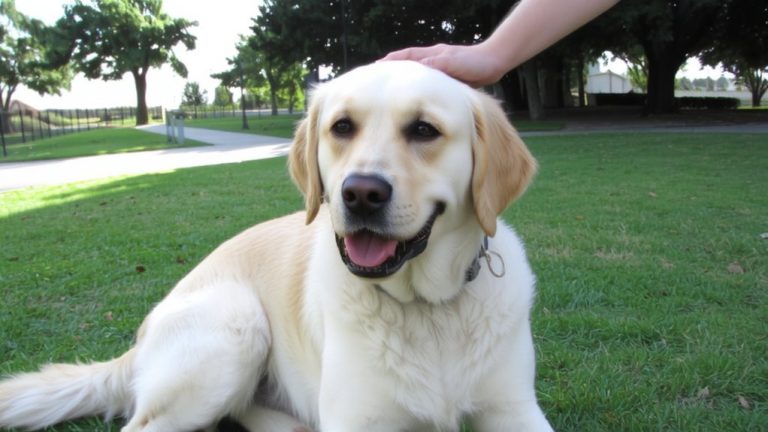
When your dog turns his head away, licks his nose, or lifts a paw while you’re petting him, he’s not being rude-he’s asking for a moment of space, and honoring that request builds real trust. You might notice these calming signals during training or when guests arrive-repeated yawning, whale eye, or sniffing the ground aren’t bad behavior, they’re your dog’s way to us know he’s unsure. By pausing or softening your approach, you help your dog feel heard. Avoiding direct eye contact and curving your path reduces pressure. Over time, responding to dogs eyes and subtle cues teaches him you’re a safe ally. In Dog Training, this consistency helps your dog become more comfortable in stressful moments. Real trust grows when you act on what he silently communicates-creating emotional safety, deepening your bond, and making every interaction a step toward mutual understanding.
On a final note
You see those calming signals-licking lips, turning heads, yawning-and now you know they’re not quirks, they’re cues. Responding builds trust fast, reduces stress by up to 60% in anxious dogs, and strengthens your bond. Use them daily: pause during walks if your dog looks away, offer a treat when they blink slowly. Real handlers report calmer leash behavior in just two weeks. Watch closely, act wisely, and let your dog lead with their language.