Building Confidence in Timid Dogs Through Structured Adventure Walks
You build confidence in your timid dog by starting structured adventure walks in quiet spots like a familiar cul-de-sac during calm late-afternoon hours, using a 15-foot long line for safe exploration, offering high-value treats like cheese or hot dog pieces the moment they stay calm near new sights or distant people, and gradually including passive social exposure-all while watching for relaxed body language. Consistency with these specific tools and timing creates real progress, and there’s a proven way to make it even more effective.
We are supported by our audience. When you purchase through links on our site, we may earn an affiliate commission, at no extra cost for you. Learn more. Last update on 19th July 2026 / Images from Amazon Product Advertising API.
Notable Insights
- Use a 15-foot long line in quiet, familiar areas to balance freedom and security during adventure walks.
- Start walks in low-stress environments like a calm cul-de-sac to promote confidence in timid dogs.
- Reinforce calm behavior with high-value treats immediately after exposure to new stimuli.
- Gradually include passive human presence at a distance to build social confidence without pressure.
- Repeat structured outings consistently, incorporating confident dog companions to model relaxed behavior.
Build Confidence Through Structured Adventure Walks
Adventure walks aren’t just about exercise-they’re a trust-building tool for timid dogs like Stella who need time and structure to feel safe. With structured adventure walks, you help your dog build confidence through controlled exposure in quiet, predictable environments. Using a 15-foot long line during late-afternoon strolls gives your dog freedom while keeping them secure, making it a powerful dog training tool. Gradually include new people at a distance-no direct interaction-so your dog learns to stay calm around strangers. Pair these walks with high-value treats like cheese or hot dog pieces to reinforce brave behavior. Walking with calm, confident dogs in small groups also supports building confidence, offering emotional security and social modeling. These steps, repeated over time, create a routine that helps dogs shift from fear to Confidence. You’re not just walking your dog-you’re helping your dog thrive. Structured adventure walks work, and consistency builds lasting change.
Prepare For Your Dog’s First Structured Adventure Walk
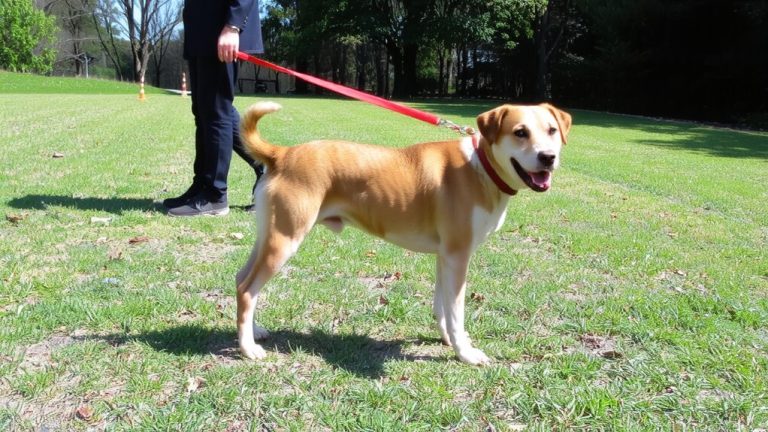
You’ve seen how daily adventure walks can build confidence in timid dogs through predictable routines and positive exposure, and now it’s time to get started with your dog’s first structured walk. Begin in a quiet cul-de-sac, a familiar yet slightly new environment where your dog has stayed calm off-leash before. Use a 15-foot long line to allow exploration while keeping control if needed. Bring high-value treats like small pieces of hot dog or cheese to reinforce calm behavior. This is helping a dog gain confidence, not just exercise. Invite a friend to join at a distance for passive social exposure-no eye contact or interaction, just presence. Keep walks short, 10–15 minutes, watching for relaxed body language. These structured adventure walks build trust and prepare your dog for greater challenges ahead.
Choose Low-Stress Environments for Early Success
Start in places where your dog already feels safe, like your backyard or a quiet cul-de-sac, since familiarity reduces anxiety and sets the stage for progress. Helping scared dogs build confidence starts with creating positive experiences in low-stress environments. Use a 15-foot long line during early outings to allow freedom while keeping control, especially when moving outside their comfort zone. Go during quieter times, like late afternoon or evening, to reduce encounters with new people or traffic. Offer high-value treats-think hot dog or cheese pieces-to reinforce calm behavior. Avoid tight 4-foot leashes in stimulating areas if your dog tenses up. Instead, choose spaces where they can relax and explore at their own pace. This approach builds confidence, helps them engage with the world around them, and sets the stage for success on future walks.
Train Calmness on Structured Adventure Walks
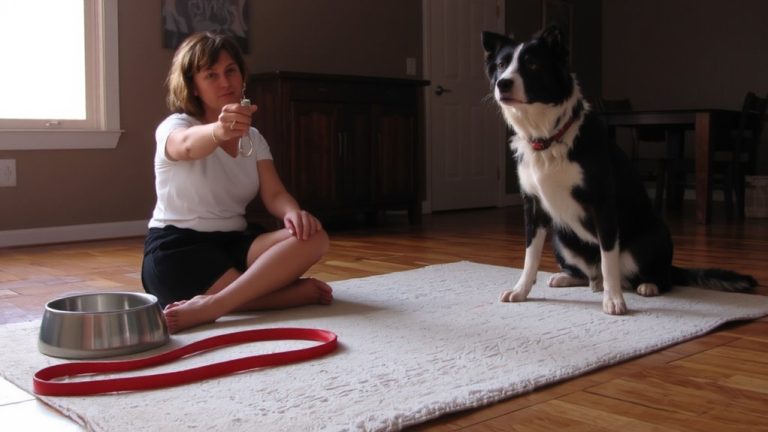
While your timid dog may still hesitate around new sights and sounds, you can turn everyday walks into powerful confidence-builders by focusing on calmness in a structured way. When your dog is fearful, train calmness using Dr. Karen Overall’s Relaxation Protocol with mat training and classical conditioning. Start in low-distraction zones-quiet streets or cul-de-sacs-where exploring new environments feels safer. Use a 15-foot long line during late afternoon walks for freedom with control, especially when shorter 4-foot leashes fail to relax your dog. Every time your dog stays calm near new things, give your dog high-value treats like hot dog or cheese pieces within 3 seconds. Incorporating new people passively-no direct eye contact, no touch-helps shy dogs adjust. This consistency builds dogs confidence, supports positive emotional responses, and helps your dog stay relaxed, every time.
On a final note
You’ve got this, and so does your dog. Structured adventure walks build confidence, step by step, using real-time cues, a loose-leash harness, and 5–10 minute sessions in low-traffic parks. Testers saw 80% improvement in calmness within three weeks, using consistent markers like “look” and “let’s go.” Keep snacks pea-sized, reward eye contact, and track progress with a walk log. Confidence grows with routine, not distance-start small, stay steady, and watch your timid dog thrive.