Why Minimally Processed Raw Diets Retain More Enzymes for Cats
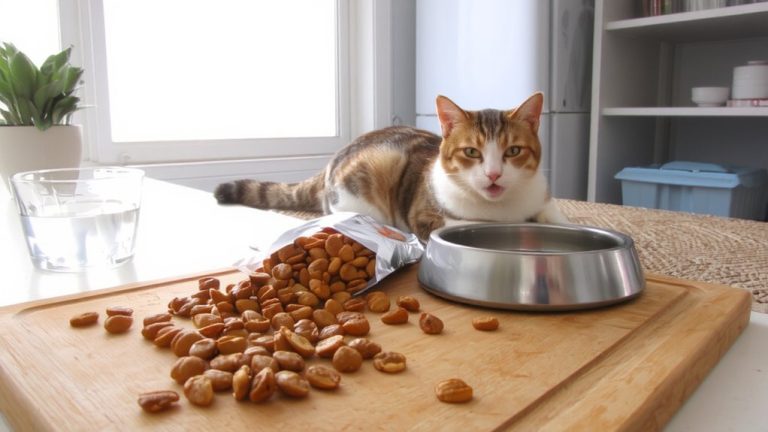
You’re giving your cat food with dead enzymes when you serve kibble cooked at 250–300°F-way above the 118°F needed to destroy lipase and amylase. Raw diets skip high-heat processing, so enzymes in meat, organs, and bones stay active. These natural enzymes help break down nutrients, ease digestion, and support gut health. Your cat produces fewer digestive enzymes when you feed raw, reducing pancreatic strain. There’s more to uncover about how this boosts overall health.
We are supported by our audience. When you purchase through links on our site, we may earn an affiliate commission, at no extra cost for you. Learn more. Last update on 19th July 2026 / Images from Amazon Product Advertising API.
Notable Insights
- Cooking above 118°F destroys natural enzymes; raw diets avoid high heat, preserving enzyme activity.
- Raw meat, organs, and bones retain functional enzymes like lipase, protease, and amylase.
- Cats lack salivary amylase, relying on dietary enzymes from raw food for digestion.
- Minimally processed raw diets do not degrade heat-sensitive enzymes during preparation.
- Raw-fed cats show higher fecal enzyme activity, indicating greater enzyme retention and function.
How Cooking Destroys Enzymes in Cat Food
While your cat’s body produces digestive enzymes naturally, feeding a cooked diet means those enzymes in raw food are already gone before they ever hit the bowl. Cooking destroys enzymes like amylase and lipase, which start breaking down at just 118°F-far below the 250–300°F used in high-heat processing of most cat food. This means your cat must work harder, producing extra digestive enzymes just to break down meals. Plus, heat reduces the bioavailability of key nutrients like taurine, increasing risks for heart and eye issues. Unlike a raw diet, where nutrients stay intact, commercial kibble often lacks natural enzyme activity. Raw-fed cats show lower fecal pH and more active enzymes, proving better digestion. Choosing minimally processed options supports health from the inside out-your cat gets more usable nutrition, less strain, and better outcomes long-term.
How Raw Diets Preserve Natural Enzymes for Cats
Raw diets keep the natural enzymes in meat, organs, and bones fully active because they never face the high heat that shuts them down, and that makes a real difference in how well your cat digests meals. Since cooking food above 118°F destroys natural enzymes and nutrients, raw food options preserve these critical compounds. Your pet can’t produce salivary amylase, so they rely on raw diet enzymes like lipase, protease, and amylase to start digestion. Unlike kibble, raw dog food and other raw formats maintain intrinsic activity, reducing strain on your cat’s pancreas.
| Enzyme | Found In |
|---|---|
| Protease | Muscle meat |
| Lipase | Organ meats |
| Amylase | Raw bones, guts |
The benefits of raw diets extend to dogs and cats alike, offering superior support for digestive and immune health. You’ll notice the benefits with clearer coats and steady energy.
How Enzymes Help Cats Absorb More Nutrients
Because your cat relies on external sources of digestive enzymes to break down food efficiently, feeding a raw diet means those natural enzymes-like lipase, amylase, and protease-stay intact and ready to work from the first bite. These live enzymes boost nutrient absorption by pre-digesting food, easing pancreatic support and improving breakdown efficiency by up to 30%. Raw diets preserve taurine and vitamin B12, protecting heart and brain health. The enhanced enzyme activity also promotes ideal gut pH, helping ionize minerals for better mineral absorption of calcium and iron. Plus, cats on raw diets show higher fecal levels of short-chain fatty acids, signaling improved colon nutrient uptake. By delivering functional digestive enzymes, raw diets don’t just feed your cat-they fuel smarter digestion and stronger overall health.
How Raw Food Balances Your Cat’s Gut Bacteria
Your cat’s digestion gets a leg up when natural enzymes in raw food kickstart nutrient breakdown, and that’s just the beginning-those same diets also set the stage for a healthier gut microbiome. Raw diets preserve essential enzymes like lipase and protease, which support efficient digestion in your cat’s feline digestive system. Without high-heat processing, raw food maintains beneficial bacteria and boosts microbial balance in the gut. These diets, rich in animal proteins and low in carbs, promote an ideal pH in the digestive tract, helping good gut bacteria-like Lactobacillus and Bifidobacterium-thrive. Organ meats provide taurine and other nutrients that fuel intestinal health and improve nutrient absorption. Studies show cats on raw diets have more diverse gut bacteria and fewer harmful pathogens like Clostridium perfringens. You’re not just feeding a meal-you’re supporting a thriving, balanced internal ecosystem.
Why Enzyme-Rich Raw Food Reduces Digestive Issues
While your cat’s body is built to digest meat efficiently, feeding a diet that’s been stripped of natural enzymes through high-heat processing above 118°F means their system has to work harder, often leading to bloating, gas, and occasional constipation. Raw food retains essential enzymes like proteases and lipases, which support smooth digestion and nutrient absorption. These natural enzymes help break down proteins and fats, easing the load on your pet’s digestive system. With less digestive upset, your cat experiences better digestion and nutrient uptake. Studies show a raw diet can help improve digestibility by up to 20% compared to kibble. Raw feeding reduces the need for your cat to produce excess enzymes, lowering pancreatic stress. Over time, this means fewer digestive issues and healthier long-term function. Enzyme-rich raw diets aren’t just natural-they’re a smart choice for ideal feline health.
On a final note
You give your cat raw food because it keeps enzymes intact-cooking destroys them above 118°F. Those live enzymes aid digestion, boost nutrient absorption, and support gut health. Testers see less stool volume, fewer hairballs, and shinier coats within weeks. Real meat, bones, and organs deliver what kibble can’t: natural nutrition, balance, and flavor your cat craves. Stick to trusted brands like Stella & Chewy’s or Primal-reputable, tested, safe. Feed raw, feed well, and watch your cat thrive.