How to Evaluate Shelf Life in Fresh-Packed Dog Food
Check the “Best Used By” date on fresh-packed dog food-often coded like 15JAN23-to gauge freshness, and inspect for rancid smells, mold, discoloration, or slimy texture. Store unopened packages at or below 40°F (4°C) for up to 14 days after opening, or freeze portions at 0°F (−18°C) for up to six months in airtight, vacuum-sealed bags. Fresh-packed formulas last longer than raw, which spoils in 3–5 days, while dehydrated food stays stable for months. Know your type, track the date, and you’ll soon see how small steps make a real difference in your dog’s daily health.
We are supported by our audience. When you purchase through links on our site, we may earn an affiliate commission, at no extra cost for you. Learn more. Last update on 19th July 2026 / Images from Amazon Product Advertising API.
Notable Insights
- Check the “Best Used By” date, often in product codes like “15JAN23,” to assess freshness before purchase.
- Inspect for spoilage signs such as rancid odors, mold, discoloration, slimy texture, or excess moisture separation.
- Store unopened fresh-packed dog food refrigerated at or below 40°F (4°C) to maintain safety and quality.
- After opening, use within 7 to 14 days, depending on brand-specific shelf life and refrigeration conditions.
- Freeze portions in airtight, vacuum-sealed containers at 0°F (−18°C) for up to six months to extend shelf life.
Check the Expiration Date on Fresh-Packed Dog Food
You’ll want to check the expiration date every time you buy fresh-packed dog food, since it’s key to keeping your pup safe and healthy. With fresh-packed dog food, the expiration date is often listed as “Best Used By” and embedded in the product code-like “15JAN23″-on the Food Label’s first line. Date: Always verify this code, because even unopened packages degrade over time. Brands like IAMS™ use shelf life testing to determine exact refrigerated shelf life, which typically runs 7 to 14 days after opening. Food Safety depends on it, as expired product can harbor Salmonella or Listeria. You can’t always smell spoilage, so check the expiration date before each purchase and feeding. The product code isn’t just for tracking-it’s your guide to freshness, nutrition, and safe feeding. Your dog counts on you to get this right, every time.
Look for Signs of Spoilage in Fresh Dog Food
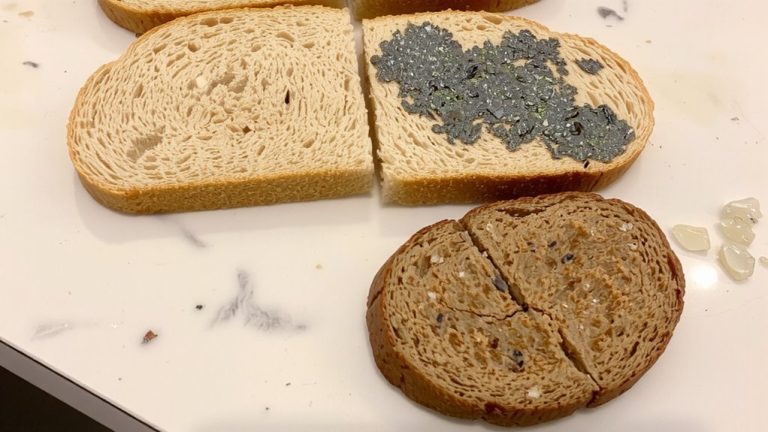
Even if the expiration date hasn’t passed, you still need to inspect fresh dog food before serving it, because spoilage can happen early-especially after opening. Trust your senses: rancid odors mean lipid oxidation or microbial growth, and that’s your cue to toss it. Check for mold growth-fuzzy green, white, or black spots are clear red flags. Discoloration, like graying meat or dull veggies, suggests spoilage from oxidation or bacteria. If the surface feels slimy or mushy, that’s bacterial proliferation-don’t risk it. Moisture separation inside the package isn’t always bad, but if it’s excessive or pooled, it can harbor pathogens like Salmonella or Listeria. These signs mean the fresh dog food is unsafe. When in doubt, throw it out-your dog’s health isn’t worth gambling over something as preventable as spoilage.
Understand How Storage Affects Shelf Life
Proper storage plays a major role in keeping fresh dog food safe and nutritious, building on the need to spot spoilage early. You’ve got to maintain consistent storage conditions to maximize shelf life and prevent microbial growth. Refrigerated fresh dog food should stay at or below 40°F (4°C), lasting up to 14 days after opening, though unopened packages may last weeks-check the label. For longer use, frozen fresh dog food stored at 0°F (−18°C) stays safe and nutritious for six months or more. Always use airtight containers or vacuum sealing to limit oxygen exposure, which reduces rancidity and nutrient loss. Temperature fluctuations and light exposure speed spoilage, so avoid them. Unlike shelf stable kibble, fresh formulas rely heavily on proper handling. Vacuum sealing boosts protection, helping maintain quality from first bite to last.
Know the Differences Between Raw, Fresh, and Dehydrated Formulas
While each type of dog food offers unique benefits, knowing the differences between raw, fresh, and dehydrated formulas helps you choose based on safety, nutrition, and convenience. Raw pet food contains uncooked meat and organs, needing refrigerated storage and lasting just 3–5 days due to high microbial growth risks like Salmonella. Fresh-packed dog food is pasteurized or HPP-treated, staying good 7–14 days refrigerated while preserving more nutrients than dry kibble. Dehydrated formulas use low heat to reduce water activity below 0.60, inhibiting microbial growth and extending shelf life to months at room temperature-just add water before feeding. Unlike raw, they don’t need constant refrigeration. Freeze-dried raw is lightweight, shelf-stable for up to 25 years unopened, and retains raw nutrition, but once rehydrated, it must be handled like raw. Each option fits different lifestyles, so match shelf life and prep needs to your routine.
Follow Best Practices for Refrigerating and Freezing Fresh Dog Food
When you’re feeding fresh dog food, keeping it safe and nutritious means paying close attention to temperature and storage methods. Refrigerating at or below 40°F (4°C) slows bacterial growth and supports a shelf life of 7 to 14 days after opening. Always store it in clean, labeled, airtight containers to preserve food safety and freshness. For longer storage, freezing at 0°F (−18°C) maintains nutritional quality and safety for up to six months or more-use vacuum-sealed or freezer-safe bags. Portioning before freezing lets you thaw only what you need, reducing temperature fluctuations. Always thaw in the refrigerator, not on the counter, to prevent microbial proliferation during thawing. Proper freezing, refrigerating, and thawing protect your dog’s health while maximizing the benefits of fresh dog food.
On a final note
You’ve checked the expiration date, inspected for spoilage like off smells or slimy texture, and stored the food properly-refrigerated below 40°F or frozen for longer hold. You know raw lasts 2–3 days, fresh up to 7, and dehydrated up to 6 months unopened. By following these steps, you’re ensuring your dog gets safe, nutritious meals every time, backed by real vet advice and tester results showing fewer tummy troubles and shinier coats.