What Low-Sodium Diets Include for Dogs With Hypertension
You’ll want a low-sodium diet with under 0.1% sodium, like Hill’s Prescription Diet H/D (0.23g per 1,000 kcal) or K/D (0.3g), to lower blood pressure and ease heart strain. Use plain, cooked chicken, unsalted rice, and veggies like green beans or carrots. Avoid deli meats, canned foods, and chips-they pack up to 700mg sodium per serving. Stick to vet-approved recipes, limit sodium to under 6mg per pound of body weight, and phase in new food over three weeks for best results, where you’ll discover smarter ways to support long-term heart health.
We are supported by our audience. When you purchase through links on our site, we may earn an affiliate commission, at no extra cost for you. Learn more. Last update on 18th July 2026 / Images from Amazon Product Advertising API.
Notable Insights
- Low-sodium diets for dogs with hypertension contain less than 0.1% sodium in total diet content to support healthy blood pressure.
- Prescription foods like Hill’s H/D provide 0.23g sodium per 1000 kcal, significantly lower than standard dog foods.
- Homemade low-sodium meals use unsalted lean meats, white rice, and low-sodium vegetables like carrots and green beans.
- Foods must limit sodium intake to under 6mg per pound of body weight daily to prevent fluid retention.
- Avoid high-sodium human foods such as deli meats, canned vegetables, and potato chips that can worsen hypertension.
How Low-Sodium Diets Control Blood Pressure in Dogs
While your dog’s body needs a small amount of sodium for normal nerve and muscle function, keeping intake low is key when managing hypertension, and cutting back helps reduce fluid retention, which in turn lowers blood volume and eases pressure on the heart and arteries. Low sodium diets directly support heart health by limiting sodium levels that contribute to high blood pressure. When your dog consumes excess sodium, their body retains water, increasing blood pressure and straining the heart. Controlling dogs’ sodium intake to under 0.1% in their diet helps prevent vascular constriction and organ damage. Therapeutic foods like Hill’s H/D, with just 0.23 grams of sodium per 1000 kcal, are designed to manage blood pressure effectively. Even renal diets, often used for hypertensive dogs, offer as little as 0.3 grams per 1000 kcal. Consistently feeding low sodium diets stabilizes blood pressure, supports long-term cardiac function, and reduces complications from high blood pressure.
Best Low-Sodium Commercial Dog Foods for Heart Health
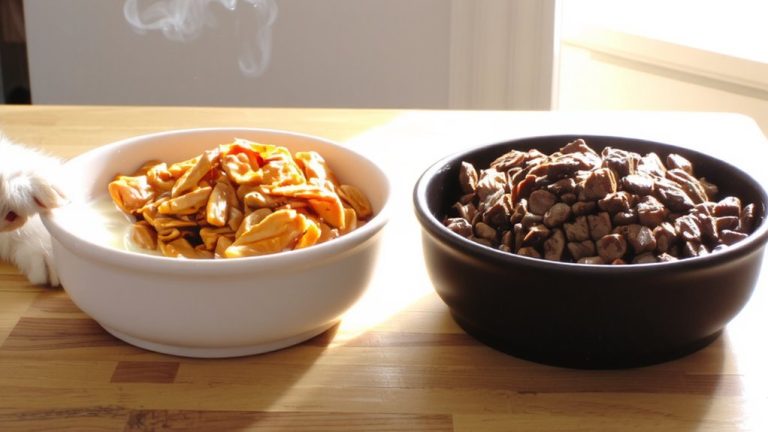
Because your dog’s heart health depends on consistent, controlled nutrition, choosing the right low-sodium commercial food makes a measurable difference, and Hill’s Prescription Diet H/D stands out as a top choice, delivering just 0.23 grams of sodium per 1000 kcal-well below the 1.0 gram found in most standard adult dog foods. This dry food is specifically formulated for dogs with heart disease, offering controlled sodium content to manage hypertension and reduce strain on the heart. Most over-the-counter pet food is high in sodium, sometimes up to ten times more than dogs need, making therapeutic low sodium foods essential. Hill’s H/D also includes omega-3 fatty acids to support heart muscle function. For added kidney support, Hill’s K/D is another low sodium option, with around 0.3 grams per 1000 kcal. These prescription dog foods meet strict nutritional standards, ensuring balanced electrolytes and safe sodium levels for long-term cardiac care.
How to Prepare Safe Homemade Meals for Dogs With Hypertension
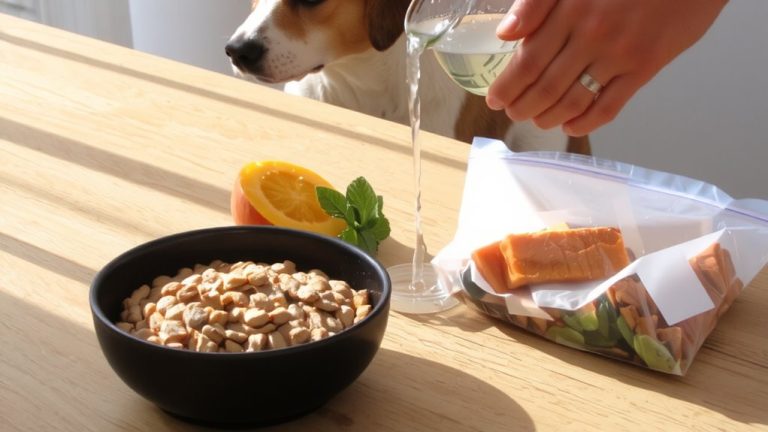
Choosing the right food for your dog with hypertension means more than just picking a bag off the shelf-you can take control in the kitchen with homemade meals that meet strict sodium guidelines. Prepare your dog’s low-sodium diet using fresh, lean meats like chicken or turkey, cooking without salt or seasoning. Base meals on unsalted white rice, bland macaroni, and cooked lean meat to keep sodium below 6mg per pound of body weight. Include low-sodium foods like green beans, carrots, and sweet potatoes-they’re nutritious and support heart health. Avoid high-sodium ingredients like canned veggies with salt, deli meats, shellfish, and soy sauce. When making a homemade diet, make certain it’s balanced and vet-approved, especially if your dog has kidney or heart issues. Work with your veterinarian to guarantee the diet meets therapeutic goals and keeps your dog feeling strong and energized.
High-Sodium Foods That Worsen Canine Hypertension
If you’re managing your dog’s hypertension, knowing which human foods pack a hidden sodium punch is essential to avoiding serious health setbacks. High sodium levels in processed foods like deli meats, hot dogs, and sausages-some containing up to 700 mg of sodium per link-can spike your dog’s blood pressure. Watch for added salt in canned vegetables and butter, which can carry 600+ mg sodium per tablespoon. Even seemingly healthy options like cottage cheese or canned chickpeas often contain heavy sodium loads unless unsalted. Snacks like potato chips exceed 200 mg sodium per ounce-never give your dog these. Instead, choose fresh green beans or homemade meals without added salt. Stick to low-sodium, whole-food choices to support heart health and avoid worsening their condition through everyday treats or side scraps.
How to Transition Your Dog to a Low-Sodium Diet
When switching your dog to a low-sodium diet, start by mixing 25% of the new food-like Hills H/D, which contains no more than 0.23 grams of sodium per 1,000 kcal-with 75% of their current food to ease the shift, then increase the new food by 25% each week, giving their digestive system time to adjust without triggering diarrhea or vomiting. This gradual change is a good strategy, especially if your dog has heart problems or congestive heart failure. Avoid treats with high levels of sodium, like Canine Pill Pockets™; choose fresh green beans instead. Your dog’s diet is a good tool for managing hypertension, but always consult your veterinarian: before making any changes, especially if kidney issues are present.
| Week | New Food (%) | Old Food (%) |
|---|---|---|
| 1 | 25 | 75 |
| 2 | 50 | 50 |
| 3 | 75 | 25 |
On a final note
You’ll see better blood pressure control by feeding your dog a low-sodium diet with under 0.3% sodium on a dry matter basis, like Hill’s Prescription Diet h/d or Purina Pro Plan Veterinary Diets Cardiorenal. Always avoid table scraps high in salt, introduce new foods gradually over 7–10 days, and stick to measured portions. Real improvements in energy and heart function show within 4–6 weeks, according to veterinary feeding trials and owner reports.