Understanding Canine Leptospirosis: Transmission, Symptoms, and Vaccination
Your dog can catch leptospirosis from infected wildlife urine in puddles, soil, or wet areas-even in your backyard after heavy rain. Watch for symptoms like lethargy, vomiting, increased thirst, or jaundice within 5–14 days. Diagnosis often involves blood and urine tests, including PCR or MAT titers. Treatment includes doxycycline at 5 mg/kg every 12 hours for 14 days, plus supportive IV fluids and liver support. The annual 4-serovar vaccine (Canicola, Icterohaemorrhagiae, Grippotyphosa, Pomona) reduces risk and shedding-key for dogs in wildlife-prone or wet environments. There’s more to contemplate about protecting your dog where exposure is unavoidable.
We are supported by our audience. When you purchase through links on our site, we may earn an affiliate commission, at no extra cost for you. Learn more. Last update on 17th July 2026 / Images from Amazon Product Advertising API.
Notable Insights
- Leptospirosis is caused by *Leptospira* bacteria and spreads through urine of infected animals contaminating water or soil.
- Dogs can get infected without direct animal contact, often by walking or drinking from contaminated water after heavy rain.
- Symptoms appear 5–14 days post-exposure and include lethargy, vomiting, jaundice, increased thirst, and bleeding disorders.
- Diagnosis involves blood and urine tests, including PCR and MAT titers, though treatment often starts before confirmation.
- Annual vaccination is recommended for at-risk dogs and protects against four major serovars while reducing bacterial shedding.
What Causes Leptospirosis in Dogs?
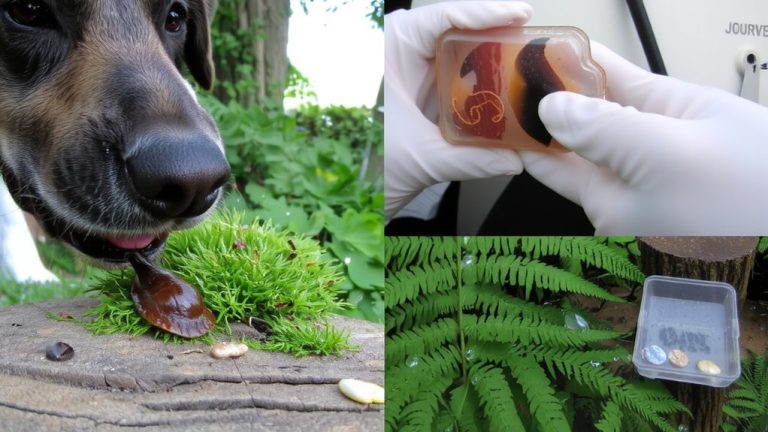
Leptospirosis in dogs is caused by *Leptospira*, a type of spiral-shaped bacteria with over 250 serovars circulating worldwide, and your dog can pick it up without ever coming into direct contact with an infected animal. The disease caused, leptospirosis in dogs, spreads through the urine of infected animals-especially rodents, deer, raccoons, and even livestock like cattle or pigs-contaminating water and soil for weeks. Your dog can get infected simply by drinking from a puddle, swimming in stagnant water, or walking through moist, contaminated environments after heavy rain. *Leptospira* enters through mucous membranes or broken skin, making cuts or abrasions easy entry points. Even backyard exposure counts, since wild animals often pass through. While not all infected dogs show signs, the bacteria persist in kidneys and spread via urine, risking further transmission. Preventing leptospirosis means limiting contact with potentially infected urine and contaminated water-simple, proactive care that supports long-term health.
Leptospirosis Symptoms: Is Your Dog at Risk?
How can you tell if your dog might be in trouble after that rainy walk through the woods? Watch for leptospirosis symptoms like lethargy, vomiting, and loss of appetite-common clinical signs in infected dogs. Within 5–14 days of exposure, your dog may develop polyuria/polydipsia, dehydration, or abdominal pain, all pointing to potential kidney and/or liver damage. Jaundice-yellowed eyes or gums-is a red flag, as are bleeding disorders, such as nosebleeds or petechiae. Some dogs also show muscle pain, trembling, or stiffness. While not all infected dogs get sick, those that do can decline rapidly. Being aware of the risk of leptospirosis, especially in wet, wildlife-rich areas, helps you act fast. Early recognition of these signs improves outcomes, so monitor closely and consult your vet if anything seems off.
How Is Leptospirosis Diagnosed and Treated?
What happens when your dog starts acting off after exposure to contaminated water or soil-could it be leptospirosis? You’ll need a fast diagnosis to know for sure. Blood and urine tests help, but definitive leptospirosis diagnosis often relies on PCR (best from blood early, urine after day 10) and MAT titers, with acute and convalescent samples taken 2–4 weeks apart. Lab signs like acute kidney injury, elevated liver enzymes, or glucosuria support the case. Once suspected, start treatment immediately-even before test results. Doxycycline (5 mg/kg orally every 12 hours for 14 days) is essential to stop your dog from becoming a carrier. Supportive care is critical: IV fluid therapy corrects dehydration and supports kidneys, while antiemetics, liver support, and nutrition keep your infected animal strong. Severe cases may need dialysis. Quick action improves outcomes.
Should Your Dog Get the Leptospirosis Vaccine?
Could your dog be at risk without you even knowing? If your dog spends time outdoors, especially near contaminated water, wildlife or farm animals, they’re at high risk for leptospirosis-a serious zoonotic disease. The leptospirosis vaccine is a key preventive step, recommended annually for dogs with frequent exposure to environmental contamination. It protects against four major serovars (Canicola, Icterohaemorrhagiae, Grippotyphosa, and Pomona), reducing chances of illness and bacterial shedding. While not 100% effective against all strains, vaccination markedly lowers disease transmission to other dogs and humans. Most dogs handle the vaccine well, with only mild, short-lived lethargy reported. According to the College of Veterinary experts, combining vaccination annually with other protective measures-like avoiding stagnant water and rodent control-offers the best defense for your dog’s long-term health.
On a final note
You’ve got the tools to protect your dog, and staying proactive makes all the difference. Leptospirosis spreads through infected water or soil, but the vaccine-given as a two-shot series, then annually-cuts risk substantially. Watch for fever, vomiting, or low energy; early treatment with antibiotics like doxycycline improves outcomes. Real-world data shows vaccinated dogs have 70–85% lower infection rates. Keep your pup dry in wet areas, avoid wildlife urine zones, and stick to clean drinking sources. Prevention works.