What to Include in a Transition Plan for Moving With a New Pet
Start planning early by taking your new pet on pre-move visits to build familiarity. Keep routines consistent and pack a day-one essentials bag with two weeks’ food, meds, collapsible bowls, potty pads or a travel litter box, and an unwashed blanket for comfort. Update ID tags and microchips one week before moving, transfer vet records, and set up a quiet, safe room in your new home with familiar toys, bedding, and a Feliway or Adaptil diffuser. This foundation guarantees a smoother shift-you’ll find even more ways to support their adjustment just ahead.
We are supported by our audience. When you purchase through links on our site, we may earn an affiliate commission, at no extra cost for you. Learn more. Last update on 19th July 2026 / Images from Amazon Product Advertising API.
Notable Insights
- Start early with pre-move visits to help your new pet become familiar with the new home environment.
- Maintain consistent daily routines for feeding, walking, and play to reduce stress during the transition.
- Create a designated safe space with familiar items like unwashed bedding, toys, and a quiet retreat area.
- Update your pet’s ID tags, microchip, and license with the new address at least one week before moving.
- Pack a day-one essentials bag with food, meds, collapsible bowls, water, and comforting familiar scents.
Plan Ahead to Minimize Stress for Moving With Pets
While you’re juggling boxes and changing addresses, don’t overlook how overwhelming the moving process can be for your pet-planning ahead is key to keeping their stress in check. Start early to help your pet adjust by scheduling pre-move visits to the new home, so they grow familiar with the sights, sounds, and smells. During the moving process, maintain their routine: feed, walk, and play at consistent times to provide stability. Pack an essentials bag with two weeks’ supply of food, meds, treats, water, collapsible bowls, and potty pads. Set up a designated safe space with familiar items like unwashed bedding and favorite toys. Update your pet’s microchip information, collar tag, and license at least one week before moving to guarantee they’re protected if they get lost.
Create a Safe Space Before and After the Move
Set up a quiet, secure room in your current home with a soft bed, an unwashed blanket for familiar scent, and a few favorite toys to help your pet feel safe as packing begins-choose a space away from heavy foot traffic, free of dangling cords or small hazards, and large enough to fit a litter box or pee pad at one end, if needed. Use baby gates and closed doors to create a double barrier, keeping your pet contained and preventing escapes on moving day. Keep routines consistent in this safe space to help reduce stress. Once you arrive at your new home, set up the same safe space immediately-use identical familiar items, layout, and favorite toys. Place calming treats or soft music inside to ease the change. Monitor behavior closely in the new environment and adjust lighting, temperature, or noise if needed. This safe space helps reduce anxiety and offers comfort during a big change.
Update ID Tags, Microchips, and Vet Records
Since your pet’s safety depends on quick identification, updating ID tags, microchips, and vet records before moving isn’t just smart-it’s essential. Be sure to update ID tags with your new address and phone number at least a week before moving. Attach them to your pet’s collar so they’re always visible. Don’t forget to update your microchip registration through the company’s portal-microchips are useless if info’s outdated. Grab a full copy of your veterinary records, including vaccination history, so your new vet can hit the ground running.
| Task | Timeline | Details |
|---|---|---|
| Update ID tags | 1 week pre-move | Include new address & phone |
| Confirm microchips | Before moving | Check microchip registration |
| Transfer vet records | Pre-move | Request veterinary records |
| Update local pet license | Within 30 days | Cancel old, register new address |
Pack a Day-One Essentials Bag for Your Pet
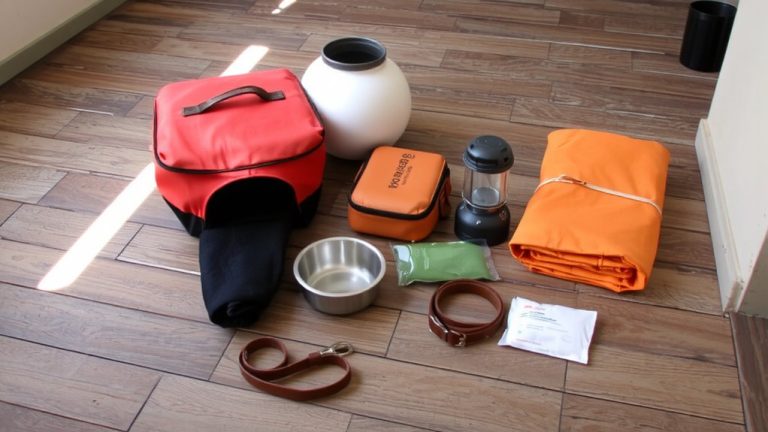
You’ve updated the ID tags, confirmed the microchip info, and transferred the vet records-now it’s time to get your pet’s day-one needs locked down. When moving with pets, you’ll want to pack a day-one essentials bag to make the move smoother. Include a two-week supply of food, medications, and treats to prevent stomach upset and maintain routine. Toss in an unwashed blanket or favorite toy so familiar scents help your pets feel more comfortable in the new place. Add portable bowls, a gallon of water, potty pads or a travel litter box, and enrichment tools like puzzle feeders or calming chews. Keep everything easily accessible in the car-never stored away-so you can take some time to settle them in right away. This simple step helps reduce stress and supports healthy behavior from the start.
Keep Your Pet Secure and Calm on Moving Day
While movers come and go, keeping your pet secure and calm starts with a plan that prioritizes safety and minimizes stress. If you’re moving to a new home with pets, especially a new dog, make sure one responsible person is assigned to supervise. This helps keep your pet secure and prevents escape during chaos. Use a sturdy carrier or crate, double-secured with a seatbelt or tether in the car, to safely transport your pet. At home, set up double barriers-like a baby gate plus a crate-to contain them. Ideally, remove your pet from the house entirely; a friend’s place, pet daycare, or boarding facility can help reduce anxiety. If they must stay, keep your pet in a quiet, closed room with familiar bedding, water, and calming aids like a pheromone diffuser to help them relax.
Set Up Your Pet’s Welcome Space First
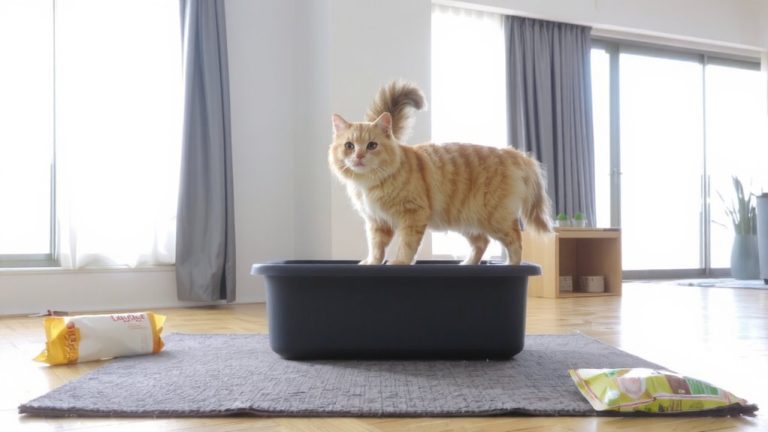
After you’ve unloaded the essentials, the first thing you should do is prepare a dedicated welcome space-this quiet, secure room becomes your pet’s safe base in the new home, set up ahead of time with fresh water, a meal-sized portion of their usual food, a clean litter box for cats or potty pads for dogs, and nothing else open to the rest of the house. Stock the space with familiar items like unwashed bedding and favorite toys to ease the adjustment. Plug in calming pheromones-Feliway for cats or Adaptil for dogs-at least 24 hours before arrival to help reduce anxiety. Keep all other doors closed so your pet adjusts gradually. Include a retreat option, such as a covered crate or enclosed bed, giving them a den-like shelter within the secure room. This setup gives your pet control, minimizes stress, and creates a predictable anchor in the new house.
Restore Routines and Watch for Stress Signs
Once your pet’s welcome space is ready and they’ve had a chance to settle in, focus shifts to rebuilding a sense of normalcy through daily structure-start feeding meals at the same times they’re used to, take dogs out for short walks around their usual schedule, and set a consistent bedtime to reinforce the rhythm they knew before the move. This routine helps your pet feel safe in their new house. Keep an eye on signs of pet stress, as changes can make them anxious. Try using calming pheromone diffusers like Adaptil or Feliway for 7–10 days to help them adjust. Limit alone time at first, then slowly increase it over 5–7 days.
| Behavior | What It Might Mean |
|---|---|
| Hiding | Needs more secure space |
| Trembling | High stress or fear |
| No appetite | Anxiety affecting health |
| Excessive noise | Seeking comfort or attention |
Give them time-it’ll make all the difference.
On a final note
You’ve got this-stick to routines, keep stress low, and your pet will adjust fast. Pack their Day-One Bag with familiar items: leash, food (bring 3–5 days’ worth), meds, and a favorite toy. Use a secure carrier or harness during transit. Set up their space first: place the litter box, bed, or crate in a quiet corner. Watch for changes in eating, grooming, or behavior-these can signal stress. Update tags and microchip info now. Consistency keeps them calm and healthy.