How to Socialize a Shy Puppy Without Overwhelming Them
Watch for signs like cowering, tucked tail, or lip licking to spot what scares your shy puppy, especially during critical windows at 8–11 weeks and 6–14 months. Set up a quiet safe zone with a cozy bed and familiar toys, using a crate or baby gate for easy access. Let your puppy approach new people or dogs at their pace, keeping interactions short and positive. Use high-value treats like small bits of chicken the moment they notice a trigger, reinforcing calm behavior. Pair novel experiences-like passing strollers or friendly visitors-with rewards to build confidence. If your puppy retreats, let them, and avoid forcing contact. Progress includes approaching new things within 3–5 seconds, increased eye contact, or playful bows, while whale eye or freezing means they’re overwhelmed. Adjust based on their comfort, especially during adolescent fear periods. You’ll learn how to fine-tune each step for lasting results.
We are supported by our audience. When you purchase through links on our site, we may earn an affiliate commission, at no extra cost for you. Learn more. Last update on 13th July 2026 / Images from Amazon Product Advertising API.
Notable Insights
- Identify fear triggers early by observing body language like trembling, cowering, or whale eye during new experiences.
- Create a safe emotional anchor with a quiet, cozy space where your puppy can retreat and feel secure.
- Gradually control social interactions using barriers and allow your puppy to approach new people or dogs at their own pace.
- Use high-value treats to reward calm behavior and build positive associations with novel stimuli and people.
- Monitor progress through reduced stress signs and adjust socialization pace, especially during adolescent fear periods.
Identify What Scares Your Shy Puppy
You’ll want to start by closely watching your puppy’s body language-things like cowering, tucked tail, flattened ears, or trembling can signal fear, and recognizing these signs early helps you pinpoint exactly what’s spooking them. If your shy pup avoids certain people, animals, or objects, note the context. Fearful reactions often spike during key fear periods, especially at 8–11 weeks and again between 6–14 months, even toward once-familiar things. Since the socialization period ends around 16 weeks, missing early exposures-like men with hats or vacuum cleaners-can stall puppy development. Keep a log to identify triggers and signs of stress, such as lip licking or whale eye. A single scary event, like a dog attack, can create lasting fear, so spotting patterns now helps you protect and guide your puppy wisely.
Build a Safe Base for Shy Puppy Socialization
A safe space isn’t just a corner-it’s your shy puppy’s emotional anchor. Set up a quiet, low-traffic area with a cozy bed, favorite toys, and treats to build positive experiences during socialization. Use a crate or baby gate so your puppy can observe the home while feeling secure. Keep this zone child-free and calm, letting your shy puppy rest and process new sights and sounds at their own pace. Always start and end socialization sessions near their safe space so they feel grounded. Pair the spot with high-value treats and gentle praise to build positive associations. Over time, your puppy will learn to feel comfortable around new stimuli, knowing they can retreat anytime. This foundation helps your shy puppy grow confident, one calm moment at a time.
Let Your Puppy Meet Others at Their Pace
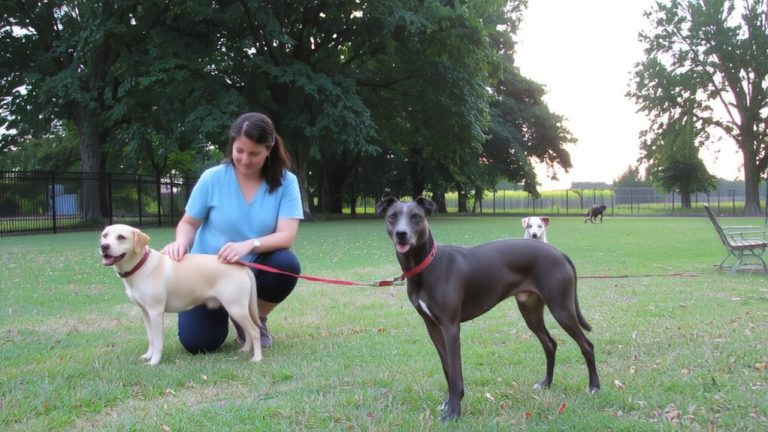
Letting your shy puppy meet new people and dogs on their own terms builds trust and sets the foundation for lasting confidence. During puppy socialization, especially between 8–16 weeks, allow shy puppies to approach new people and dogs at a comfortable distance. Use barriers like baby gates so your puppy can observe without feeling trapped. Let your dog retreat to a safe space anytime-this control reduces stress. Keep initial interactions short and supervised, especially with more energetic dogs, and intervene if play becomes too rough. Pair every new experience with positive outcomes-your goal is to create positive emotional associations. Whether it’s someone wearing a hat or using a cane, let your dog move toward novelty at their pace. This careful exposure guarantees your shy puppy learns that new doesn’t mean scary.
Use Treats to Build Confidence in Shy Puppies
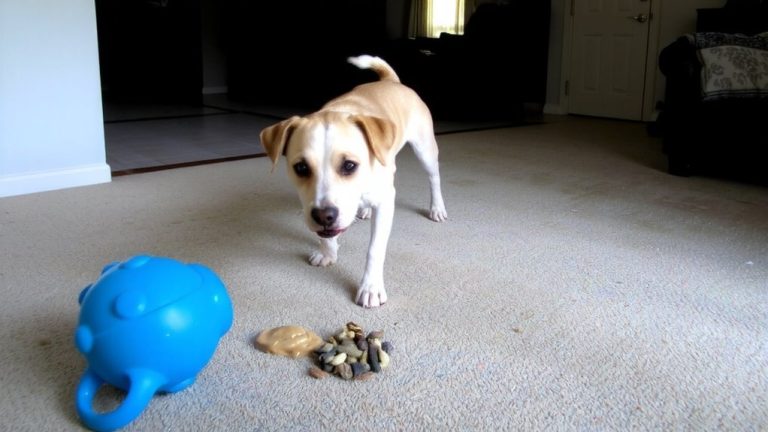
Treats aren’t just rewards-they’re powerful tools for shaping your shy puppy’s emotional responses during the critical 8 to 16-week socialization window. When you socialize a shy puppy, use high-value treats like small pieces of chicken or cheese to create positive exposure to new people, sounds, or dogs. The moment your shy and fearful pup notices a trigger, toss a treat nearby-this builds positive interactions and reduces stress. You help a shy puppy gain confidence by reinforcing calm behavior, especially when decreasing the distance to a feared stimulus. Over time, consistently offering treats when visitors arrive teaches your pup to expect good things from strangers. This method supports strong social skills by pairing real-world experiences with immediate rewards. With patience and precise timing, you’ll see your pup start seeking out new encounters, turning anxiety into curiosity through trust and positive reinforcement.
Know the Signs of Progress (And Pitfalls)
You’ll know your shy puppy’s confidence is growing when they start approaching new people or environments within 3–5 seconds of exposure, even if cautiously-this small window of willingness signals meaningful progress during the critical 8- to 16-week socialization period. In the first few months, decreased cowering or trembling around new things shows their brain is adapting. You’ll see them solicit attention with eye contact or play bows, a sign they’re forming positive associations. Watch for lip licking, whale eye, or freezing-these mean they’re uncomfortable and you’ve crossed appropriate boundaries. Keep puppy classes low-stress and prioritize calm meeting new people and adult dogs. If your dog’s fear spikes after progress, it may be an adolescent fear period; slow the pace. Consistency without pressure builds trust and resilience, ensuring long-term emotional health.
On a final note
You’re building confidence step by step, and that’s exactly right. Stick to short, positive interactions using pea-sized treats like Zuke’s Mini Naturals, keep sessions under 5 minutes, and always watch for body language. A wagging tail, relaxed ears, and forward movement mean progress. Avoid forcing encounters. Consistency with routine and safe spaces-like a 6-foot leash indoors-makes all the difference. You’ve got this.