How to Prevent Urine Scalding in Female Rabbits With Proper Litter and Grooming
You prevent urine scald by checking your female rabbit’s bottom daily, gently wiping away soiling with a damp cloth or pet-safe wipe, and drying thoroughly. Trim rear fur with a privacy clip to reduce moisture trapping, and use highly absorbent, paper-based litter or hay-covered puppy pads to wick urine fast-avoid pine or cedar shavings. Change litter daily, keep the area dry, and watch for redness or dampness, since early action can catch issues before they worsen. There’s more to optimizing hygiene and comfort just ahead.
We are supported by our audience. When you purchase through links on our site, we may earn an affiliate commission, at no extra cost for you. Learn more. Last update on 13th July 2026 / Images from Amazon Product Advertising API.
Notable Insights
- Use highly absorbent, urine-wicking litter like paper-based products to minimize skin exposure to moisture.
- Trim rear fur with a privacy clip to reduce urine and fecal soiling in hard-to-clean areas.
- Clean the rabbit’s bottom daily with a damp cloth and dry thoroughly to prevent skin irritation.
- Change litter at least once a day to limit ammonia buildup and maintain a dry living environment.
- Provide low-sided, oversized litter boxes in multiple locations to support hygiene, especially for arthritic rabbits.
Why Urine Scalding Happens in Female Rabbits
While female rabbits are more likely to develop urine scald because of their anatomy and posture during urination, you can catch and prevent it early with the right care. Urine scalding in female rabbits often stems from a mix of biological and environmental factors. Their shorter urethra and squatting position increase urinary tract exposure, especially if urine leakage occurs. Obesity worsens it by creating skin folds that trap moist skin and bacteria. Arthritis, common in rabbits over six, limits movement, making clean urination difficult. Conditions like E. cuniculi-a parasite affecting up to 52% of healthy rabbits-can cause incontinence. Poor litter management, such as using non-absorbent wood shavings or infrequent cage cleaning, keeps bedding damp and accelerates scalding. Prevent it with low-dust, high-absorbency paper-based litter changed daily and monitored closely for signs of dampness or odor.
Groom Your Rabbit’s Bottom Daily
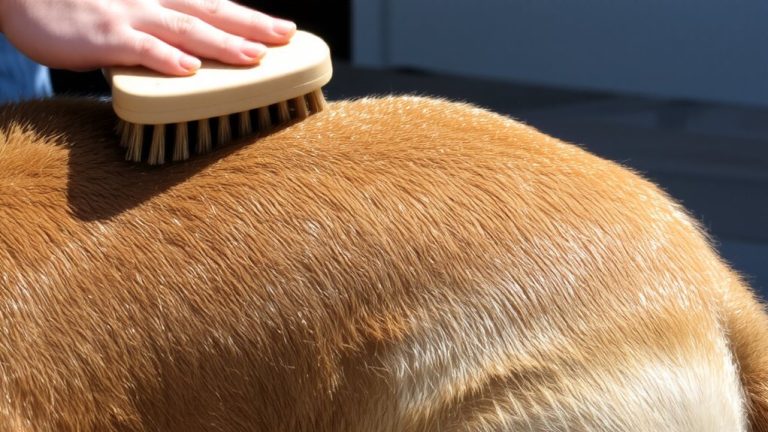
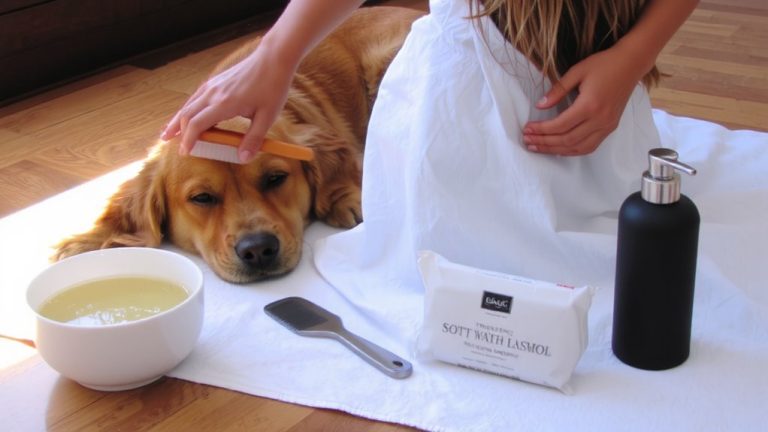
You can prevent urine scald before it starts by making daily bottom checks part of your rabbit’s care routine. If you notice a dirty bottom, use a soft, damp cloth or rabbit-safe wipe to gently remove urine or feces, then dry the area completely to keep moisture away. This helps protect your rabbit’s skin and avoids painful irritation. Never skip cleaning-it’s better than bathing your rabbit, which can stress them. Trim long fur around the rear (a privacy clip) to make grooming easier and reduce the chance of soiling. If the skin looks red or sore, your rabbit may need vet care-don’t apply cream without advice. Daily checks help keep your rabbit comfortable and prevent issues before they worsen. Make grooming a habit, and you’ll support healthy skin and overall wellbeing.
Catch Urine Scald Early
Checking your rabbit’s bottom every day isn’t just about keeping things tidy-it’s your first line of defense in spotting urine scald before it turns into a serious problem. Rabbits that struggle to stay clean, especially females who may pass urine forward due to anatomy or weakness, are at risk. A mucky bottom or damp fur on the inner thighs or tail base can quickly cause urine scalding. Dirty bottoms aren’t just uncomfortable-they trap moisture against the skin, letting urine burn the rear end. Catch urine scald early by checking for redness, hair loss, or irritation during each health check. In one case, Morse, a mini lop, had scald return within days of a dietary change, proving how fast issues arise. Don’t wait-early signs mean 65–75% of kidney damage may already be present. Keep urine away from skin and seek vet care fast to rule out E. cuniculi or arthritis.
Use Litter That Prevents Urine Scald
Because urine scald thrives in damp, unclean environments, choosing the right litter isn’t just about convenience-it’s a critical step in protecting your rabbit’s delicate skin. Use highly absorbent, moisture-wicking litter like paper-based products or hay-covered puppy pads to keep the area dry and reduce skin contact with urine. These materials pull moisture away quickly, lowering the risk of urine scald. Avoid wood shavings, especially pine or cedar, since they’re less absorbent and can trap dampness against your rabbit’s fur. Change the litter at least once daily to prevent ammonia buildup from sitting urine. Place oversized, low-sided litter boxes in multiple spots, and add a top layer of straw or hay over the absorbent base-it boosts wicking and encourages consistent use. A clean, dry setup means healthier skin and fewer sores.
On a final note
You can prevent urine scald by grooming your rabbit’s rear daily with a soft brush, checking for dampness or redness, and trimming soiled fur as needed. Use absorbent, low-dust litter like Yesterday’s News, changing it every 2–3 days. Spot-clean soiled spots twice daily, keep the litter box spacious-minimum 24″ x 16″-and guarantee your rabbit stays hydrated and mobile to reduce urine buildup and irritation.