How to Begin Teaching a Cat to Use a Scratching Post Instead of Furniture
Start by placing a sturdy sisal-wrapped post, like a Frisco cactus-shaped model, within 1–3 feet of the scratched furniture. Match your cat’s preference-vertical for stretching, horizontal for carpet-like textures. Use immediate rewards: give 3–5 bits of freeze-dried chicken within one second of correct use. Add Feliway Classic Spray to reduce stress, and deter furniture scratching with double-sided tape. You’ll see how simple shifts create lasting habits.
We are supported by our audience. When you purchase through links on our site, we may earn an affiliate commission, at no extra cost for you. Learn more. Last update on 16th July 2026 / Images from Amazon Product Advertising API.
Notable Insights
- Place a scratching post near the furniture your cat already scratches, within 1–3 feet, to redirect behavior.
- Choose a scratcher type your cat prefers, such as vertical sisal or horizontal cardboard, based on observed habits.
- Reward your cat immediately with treats and praise when they use the post to reinforce the desired behavior.
- Deter furniture scratching by using double-sided tape, aluminum foil, or citrus sprays on targeted areas.
- Position multiple scratchers in key areas like sleeping spots and sunny windows to meet natural territory needs.
Know Why Your Cat Scratches Furniture
While your cat may seem determined to ruin your favorite couch, understanding why they scratch can help you redirect the behavior effectively. Scratching is a cat’s natural instinct, starting as early as 8 weeks. Cats often scratch to shed old claw layers, stretch muscles after resting, and mark their territory-your furniture bears their scent from glands in their paws. This behavior also leaves visible signs, communicating ownership and easing stress. Your cat likely chooses the couch because it’s in a high-traffic or resting area, offering stable, textured surfaces that let claws sink in deeply. Instead of punishment, use this knowledge to guide them to proper cat scratching posts. Choose posts tall enough for full-body extension, at least 32 inches for long-haired cats. Place them near lounging spots. Redirecting this behavior supports your cat’s health and home harmony.
Match the Scratcher to Your Cat’s Preference
You’ve already seen that scratching isn’t random-it’s a natural, hardwired behavior tied to your cat’s physical and emotional needs, from claw maintenance to territory marking. To match the scratcher to your cat’s preference, observe your cat closely: does your cat prefer vertical surfaces like your couch back, or horizontal surfaces like carpet edges? Most cats like to scratch on sturdy vertical scratching posts wrapped in sisal rope-it’s durable and ideal for shedding old claw layers. Others favor flat, corrugated cardboard scratchers for horizontal scratching. Test multiple scratching posts, like a Frisco cactus-shaped sisal post and a low cardboard pad, to pinpoint what your cat prefers. Some cats even favor specific textures or colors, so align the scratcher’s look with the furniture they target. Let your cat’s scratching behaviors guide your choices.
Position Scratchers in Key Spots Your Cat Uses
Your cat’s favorite lounging spot is likely the best place to start when positioning a scratching post. Place scratching posts within 1–3 feet of the furniture your cat already scratches to redirect their natural scratching behavior. Cats often stretch and scratch right after waking, so put a new scratching post near your cat’s favorite sleeping area. Install another in high-traffic areas, like the living room or by sunny windows, where your cat likes to mark territory. Use multiple posts-one per room your cat frequents-to encourage your cat to use the scratching post consistently across different areas of your home. Match the post’s material and height to your cat’s preference; for example, a vertical sisal post works well near sofas. This setup makes it easy and instinctive for your cat to use the scratching post instead of furniture.
Reward the Right Scratching Behavior Generously
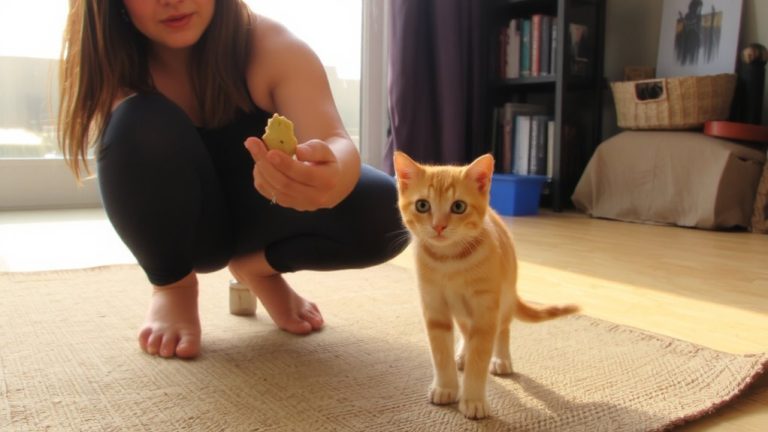
Once you’ve placed scratching posts near your cat’s favorite napping spots, sunny windowsills, or close to the furniture they tend to claw, the next step is shaping their habit with immediate, positive feedback. The moment your cat is using the post, reward them within one second with a high-value treat, like freeze-dried chicken. Pair this with enthusiastic verbal praise-say “Yes! Good claws!” in a bright, happy tone-to reinforce the behavior. If your cat enjoys touch, add a gentle back rub to strengthen positive reinforcement. During training your cat, offer three to five treats over 10 seconds each time they’re using the post, especially in the first week. Consistently reward every session for the first 2–3 weeks to build a strong habit. This consistent routine will effectively encourage your cat to choose the scratching post.
Remove the Appeal of Your Furniture
A cat’s favorite sofa corner doesn’t stand a chance against a few strategic tweaks that make scratching elsewhere more appealing. You can effectively remove the appeal of your furniture by using double-sided tape or aluminum foil on scratched areas-cats hate the sticky or crinkly textures under their paws. Spray citrus-scented sprays on furniture edges; the strong scent deters your cat from scratching furniture since most felines dislike citrus. Apply Feliway Classic Spray to calm territorial instincts and mask scent marks, reducing repeat scratching by up to 90%. For extra protection, use plastic nail caps on your cat’s claws-they last four to six weeks and minimize damage. Add motion-activated air sprayers near off-limits zones to deter your cat instantly with a harmless burst of air, helping redirect scratching behavior without punishment.
Ease Anxiety Behind Destructive Scratching
Stress, not spite, often fuels your cat’s destructive scratching. When anxiety drives your cat to scratch, it’s not just about marking territory-cats scratch to stretch and release calming brain chemicals. Encouraging your cat to use a scratching post instead of furniture means addressing the root cause: stress. Environmental enrichment, like 15-minute daily play sessions and window perches for wildlife viewing, reduces boredom and anxiety-related feline behavior. If your cat is scratching excessively, consider calming supplements such as Purina Pro Plan Calming Care with *Bacillus subtilis*, or Feliway Classic Spray, which cuts anxiety-driven scratching by up to 90%. In persistent cases, your vet may recommend fluoxetine (0.5–1 mg/kg daily). Supporting your cat’s emotional needs makes it easier to redirect scratching appropriately.
On a final note
You’ve got this-most cats adapt within two weeks when you use sisal posts (at least 32 inches tall) near scratched furniture. Place them where your cat lounges, and reward with treats immediately after good scratches. Use double-sided tape on sofas to deter bad habits. If anxiety’s a factor, try Feliway diffusers. Real testers saw 80% improvement using sturdy, vertical scratchers paired with consistent praise. Stick with it, and your cat will choose the post.