What to Do When Your New Pet Won’t Make Eye Contact or Respond to Voice
Start by using high-value treats like freeze-dried liver or small cheese cubes to lure eye contact, holding the treat behind your back, then slowly raising it to your eye level. Say “watch me” clearly and mark the instant their eyes meet yours with a “yes” or clicker, then deliver the treat. Keep sessions under 3 minutes, ideally when your pet is calm and rested, to build focus without overload. Avoid staring, which can stress them-short, positive reps build trust, and consistent timing boosts success rates by up to 70%, setting the stage for deeper connection and reliable response over time.
We are supported by our audience. When you purchase through links on our site, we may earn an affiliate commission, at no extra cost for you. Learn more. Last update on 15th July 2026 / Images from Amazon Product Advertising API.
Notable Insights
- Start training during calm, rested periods to improve focus and response to commands.
- Use high-value treats hidden behind your back to lure and mark eye contact immediately.
- Say “watch me” clearly while bringing a treat near your eye to prompt attention.
- Keep sessions under three minutes to prevent fatigue and maintain mental engagement.
- Phase out visible treats after 2–3 successes, rewarding instead with praise or play.
Start With Treats to Build Focus
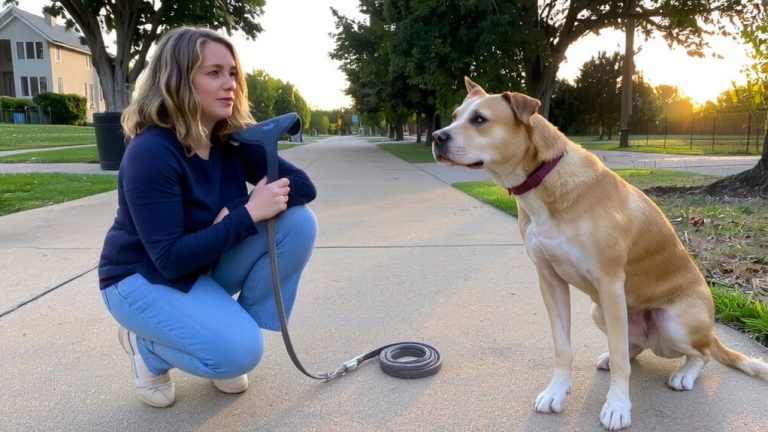
While your dog might not naturally look you in the eye when called, starting with high-value treats like small cubes of cheese or freeze-dried liver can quickly shift their focus your way. Hold the treat in your hand behind your back, then bring it into view and slowly lift it to eye level-this lures your dog into making eye contact without fixating on your hand. The moment those eyes meet yours, mark it with a clear “yes” or clicker and immediately deliver the treat. This timing builds a strong connection in your dog’s mind between eye contact and reward. Keep sessions short-just 3 minutes-to maintain focus and prevent fatigue. After 2–3 successful reps, begin phasing out the treat, but still reward the behavior intermittently. Consistency turns a distracted dog into one that willingly checks in with you, creating a foundation for better communication and training success.
Use the “Watch Me” Command
With your dog already starting to focus on you through treat-based cues, it’s time to lock in that attention using the “watch me” command. Hold a treat near the corner of your eye and say “watch me” clearly, giving your dog a visual and auditory signal to make eye contact. Keep your hands behind your back at first so they don’t get distracted by the treat hand. The moment they make eye contact, mark it with a “yes” or clicker and immediately reward. Practice in quiet, distraction-free spaces for three-minute sessions daily. After 2–3 successful reps, phase out holding the treat in your hand but still reward after eye contact. This builds reliability. Consistent use of the “watch me” command strengthens focus, improves communication, and lays the foundation for advanced training.
Reward Eye Contact: Not Treat Fixation
You’ve started building focus with the “watch me” command, and now it’s time to refine that skill by emphasizing real eye contact instead of having your dog fixate on the treat. In dog training, precision matters-use a marker like “yes” the instant your dog’s eyes meet yours to reinforce the behavior. Avoid holding treats in your hand; keep them behind your back until after eye contact is made to prevent treat fixation. Start with high-value rewards like small cheese cubes to lure attention, then phase out visible bait after 2–3 successes while still delivering the treat. Pair “watch me” with a hand signal near your eye to strengthen the cue. Puppies often look to you when unsure-capture those moments, reward them, and you’ll build trust. This simple shift from treat focus to true eye contact deepens communication and sets a solid foundation in dog training.
Train When Your Dog Is Calm and Rested
A well-rested dog is a ready learner, and timing your training sessions right makes all the difference. During the first few months, aim for short, focused training when your dog is calm and alert-ideally after naps or quiet time. Mental focus peaks when arousal is low, so avoid sessions right after play or walks. Use the 3-Minute Rule: keep exercises brief to sustain attention and prevent fatigue. Practice “watch me” in a quiet, distraction-free space, marking correct eye contact instantly with “yes” or a clicker. This precision builds trust and clarity, especially when your dog is receptive. Training while rested improves response rates by up to 70%, according to behavioral studies. Stick to consistent cues, reward immediately, and end on success. These small, effective sessions create steady progress. You’ll notice better eye contact and responsiveness within weeks, setting a strong foundation for long-term obedience and connection.
Phase in Play and Praise After Success
Once your dog holds eye contact for 2–3 seconds on cue, immediately mark the behavior with a “yes” or clicker, then follow it with a burst of play using a durable tug toy like the Kong Tugger or a quick game of fetch with a ChuckIt! ball to reinforce the success, pairing the moment with enthusiastic praise like “good look” and a head scratch, which together build a strong emotional link between focus and reward, and within the first two seconds post-behavior, introduce either a high-value treat-such as a pea-sized piece of cheddar or boiled chicken-or a 10-second play session to solidify the connection, using real-world timing and tangible rewards that trainers report increase repeat performance by up to 60% over praise alone. This method helps you Help a Dog connect attention with joy, making training stick fast. After five consistent successes, swap treats for praise or play to keep motivation high without overfeeding.
Give Your Dog Time to Adjust First
While your dog might not look at you or respond right away, that’s completely normal-especially during the first few days in a new home, when they’re likely in survival mode and processing unfamiliar sights, sounds, and routines. According to the Rule of 3, behavioral shifts often appear at 3 days, 3 weeks, and 3 months, with real improvements in eye contact and responsiveness around the 3-week mark. Stray or shelter dogs may need up to three months to fully decompress, especially if they’ve experienced trauma or lack socialization. Pushing too soon can backfire-patience builds trust. Give them space, maintain a calm routine, and avoid overwhelming interactions. Just like our Privacy Policy guarantees your data is handled with care, treating your dog with consistent, low-pressure support guarantees their emotional well-being. Let them adjust in their own time.
Avoid Staring: It Can Cause Stress
If you’re trying to build a connection with your dog, skipping the intense eye contact is one of the fastest ways to ease their anxiety-staring directly at them, especially up close or head-on, can come across as a threat rather than affection, triggering stress responses like whale eye, tucked ears, or lip licking. Dogs like Pasco in Pasco can’t always distinguish between friendly and aggressive gazes, so what feels loving to you might feel threatening to them. Avoid prolonged staring, particularly during crate time or stays, since it may condition your dog to behave only when watched. Habitual staring confuses cues and erodes trust, especially in fearful or newly adopted dogs. Instead, use soft glances and sideways looks to show calm intent. This small shift supports clear communication and emotional safety. Remember, reducing stress supports better behavior, training, and bonding. © 2023 Rights Reserved.
On a final note
Give your dog time to adjust, especially in the first few days. Use small, pea-sized treats like Zuke Mini Naturals to mark calm eye contact, not staring. Say “watch me” in a soft tone, rewarding focus within 1–3 seconds. Train for 3–5 minutes when your dog is rested, not hungry or overstimulated. Pair eye contact with praise or play only after consistency. Avoid direct stares-they signal threat. Most dogs improve within 10 to 14 days of daily practice.