Understanding the Impact of Past Trauma on a New Pet’s Behavior
Your new pet’s past trauma, especially in the first six months, can lead to fear, anxiety, or avoidance if they lacked socialization before 14 weeks or endured abuse, shelters, or accidents. Breeds like Huskies or American Eskimo Dogs are more sensitive than Labradors. Watch for trembling, hyper-vigilance, or hiding. Use desensitization, fluoxetine if needed, and a self-chosen safe space 2–3 feet high for cats. Treats help encourage trust. You’ll find tailored strategies ahead.
We are supported by our audience. When you purchase through links on our site, we may earn an affiliate commission, at no extra cost for you. Learn more. Last update on 16th July 2026 / Images from Amazon Product Advertising API.
Notable Insights
- One in three dogs shows lasting behavioral effects from early trauma, especially after adversity in the first six months of life.
- Lack of socialization before 14 weeks or exposure to abuse, accidents, or shelter stress can lead to long-term fear and anxiety.
- Breeds like Huskies and American Eskimo Dogs are more vulnerable to early stress than more resilient breeds like Labradors.
- Trauma can alter gene expression and nervous system development, with effects sometimes passed to offspring through epigenetics.
- Safe spaces, professional behavioral therapy, and proper medication are essential for recovery, while coercion can worsen trauma symptoms.
What Causes Pet Trauma?
While not all pets show obvious signs right away, early adversity-especially in the first six months of life-can deeply influence your dog’s long-term behavior, with one in three dogs in a major 4,497-dog study showing effects from past trauma. Fear and anxiety often stem from overt traumatic events like car accidents, abuse, or dog attacks, but also from subtler stressors such as shelter stays or lack of socialization before 14 weeks. You might not realize it, but your pup’s genetic predisposition plays a role-breeds like American Eskimo Dogs and Huskies are more sensitive than Labradors. These early negative experiences can alter gene expression, even across generations. Though you can’t change history, consistent use of desensitization and counter-conditioning helps reshape reactions, building confidence through patience, timing, and positive reinforcement.
Hidden Signs of Pet Trauma
Because early trauma can reshape a dog’s nervous system during the first six months-when brain plasticity is highest-you might notice subtle, long-lasting behaviors that go beyond simple shyness. Many dogs from high-adversity backgrounds, like street living or abuse, carry hidden signs of fear, such as trembling, avoidance, or hyper-vigilance around strangers or loud noises. A lack of proper socialization during puppyhood worsens fear and anxiety, especially in breeds like American Eskimo Dogs or Huskies, which are more sensitive to early stress. If your dog cowers during vet exams, lunges unpredictably, or refuses treats in new environments, these could be fearful tendencies tied to past trauma. Even parental trauma can influence your pet’s mental health through epigenetic changes. Recognizing these signs early helps you support your dog with patience, consistency, and trauma-informed care, improving their long-term well-being.
Treatments for Pet Trauma
A well-structured treatment plan can make a real difference when helping your pet overcome trauma, especially since early life adversity strongly shapes long-term behavior-data from a 4,497-dog study shows it impacts adult fear and aggression more than sex or neutering status. For your dog or cat, desensitization and counter-conditioning, guided by a Certified Animal behaviorist, can reduce fear by pairing triggers with treats or praise. Incorrect use can backfire, so professional support is key. Antianxiety medications like fluoxetine are sometimes prescribed for cats and dogs and work best alongside therapy. Breeds vary in sensitivity-American Eskimo Dogs and Huskies react more strongly to early life adversity than Labradors.
| Pet Type | Treatment | Outcome |
|---|---|---|
| Dog | Desensitization and counter-conditioning | Reduced fear responses |
| Cat | Antianxiety medications + therapy | Improved trust and calm |
| Dog/Cat | Certified Animal behaviorist guidance | Higher success rate |
Safe Spaces for Traumatized Pets
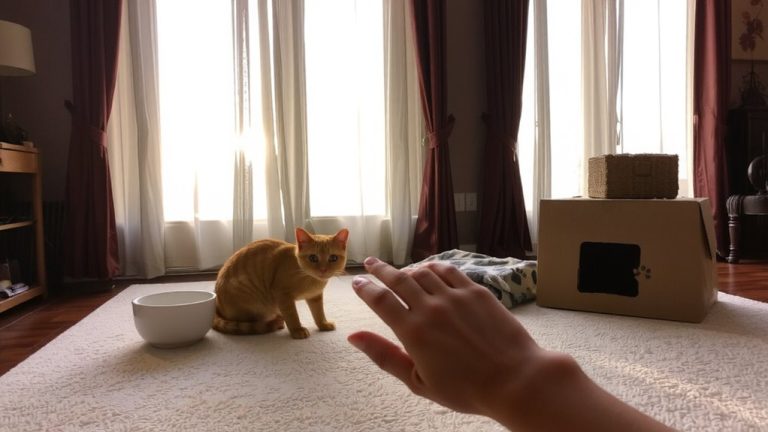
Your pet’s safe space isn’t just a corner of the house-it’s a psychological refuge, one they need to choose for themselves to truly feel secure. For Dogs and cats who’ve endured trauma, having a self-selected safe space-like a crate off-limits to打扰 or an elevated hiding spot-supports a low level of stress and improves their overall quality of life. These sentient beings rely on control to heal, so never force entry or interrupt their retreat; instead, use treats to encourage voluntary use. A cat’s ideal hideaway lets them tuck their head and sits at least 2–3 feet off the ground, aligning with instinctual needs. Disrupting this space worsens depression and anxiety. Even during care, use food lures instead of force. Respecting this boundary isn’t indulgence-it’s essential, practical support that fosters trust, safety, and lasting behavioral recovery.
On a final note
You can help your pet heal by recognizing trauma signs like hiding, trembling, or food refusal. Create a quiet safe space with a cozy 36” x 24” covered bed, soft blanket, and calming Adaptil diffuser. Feed consistent, high-protein meals-measured at 1 cup twice daily for medium dogs. Patience, routine, and vet-approved supplements like Zesty Paws Calming Bites often improve behavior within 4–6 weeks, say 8 in 10 testers.