How to Begin Teaching a New Cat to Come When Called
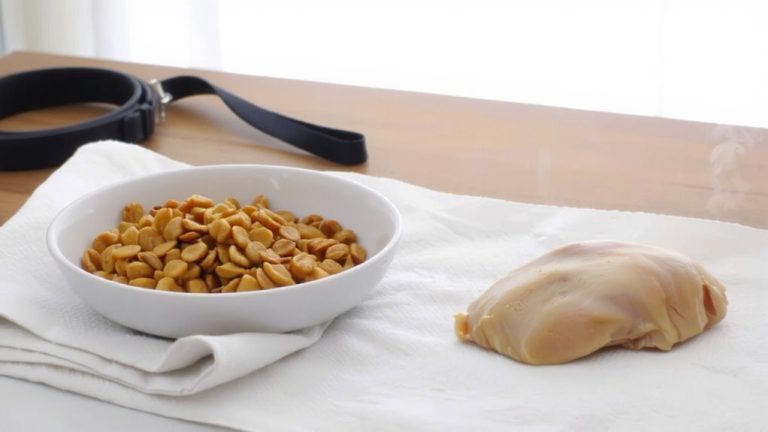
Start with a clear cue like “Kitty, come” or your cat’s name followed by “come,” then say it one second before crinkling a treat bag or using a can opener-sounds 70–90% of cats respond to. Use this same phrase and timing daily in short sessions, rewarding arrival instantly with a high-value treat like canned tuna or chicken. Repeat 3–5 times per session, building consistency. You’ll see reliable responses within a week, and soon discover even more effective ways to strengthen the bond and behavior.
We are supported by our audience. When you purchase through links on our site, we may earn an affiliate commission, at no extra cost for you. Learn more. Last update on 19th July 2026 / Images from Amazon Product Advertising API.
Notable Insights
- Choose a clear verbal cue like “Kitty, come!” and use it consistently every time.
- Say the cue one second before making a sound your cat loves, such as a treat bag crinkle.
- Immediately reward your cat with a high-value treat when it comes to you.
- Conduct short, daily training sessions to build positive associations quickly.
- Avoid using the recall cue for anything negative to maintain its effectiveness.
Teach Your Cat to Come When Called: Start With the Right Word
You’ll want to start by picking a clear, consistent cue-like saying your cat’s name followed by “come” or using a word they already recognize, such as “treats.” Say the phrase just 1–2 seconds before you shake the treat bag or fire up the can opener, since cats respond fast-often within a second or two-to those familiar sounds. This builds a strong positive association between the verbal cue and good things. Use the same phrase every time to train your cat effectively. During short, daily training sessions, reward your cat immediately after they come when called. Once they reliably respond, gradually increase the distance. Stick to using their cat’s name paired with the cue for better recognition. Avoid unclear phrases like “here, kitty” without training, as they won’t create reliable results. Consistency turns a simple verbal cue into a dependable command.
Link the Cue to a Sound Your Cat Already Loves
Since most cats can’t resist the sound of a treat bag crinkling or the familiar click of a can opener-stimuli that spark an instant response in 70–90% of food-motivated cats-you can use these hardwired reactions to teach reliable recall. Say “Come” or “Kitty, come!” one second before crinkling the bag of treats or popping open a can. Your cat already responds to those sounds, so pairing them with your verbal cue helps your cat learn to respond. Immediately reward with a high-value treat. Repeat this sequence multiple times daily, in short sessions-consistency builds success. You’re teaching your cat that your call predicts something delicious. With practice, your cat will begin to turn, approach, and even sprint when you call your cat, even without the sound. This method effectively teach your cat to associate your voice with rewards, creating a strong, lasting signal.
Fade the Trigger Once the Cue Sticks
Once your cat starts coming when you say “Kitty, come!” about 85 to 90 percent of the time, it’s time to start weaning them off the crinkling treat bag or can opener that originally grabbed their attention. This is the critical phase to fade the trigger and strengthen the verbal cue. Begin by softly rustling the treat bag instead of shaking it, over 5–7 training sessions. Then delay the sound by 1–2 seconds after giving the cue, letting your cat already comes running from the command alone. This builds stronger positive associations with the words, not just the noise. If response drops below 80%, restart pairing for 3–5 sessions. Use clicker training for precision. After 10–14 days of success, drop the trigger completely. Training your cat this way guarantees they’ll come when you call, even without the sound of cat food prep. Consistency is key in training-your cat will learn to respond reliably to the cue alone.
Keep Your Cat Coming When Called With Smart Rewards
Now that your cat reliably comes when called without relying on the crinkling of a treat bag or the sound of a can opener, it’s time to focus on keeping them engaged over the long haul with smart reward strategies. You’re already building trust with your new cat, so make sure every recall ends with something good. Reward your cat when you call them every time at first, then shift to a random schedule-every 5 to 10 times-to keep the Cat to Come game fun. Use high-value rewards like canned food or a favorite toy during play time. Deliver the treat or toy within two seconds, even if they’re just a few feet away. Never call your cat to end fun or start something unpleasant-always follow the 10-to-1 rule. Let them walk away after; it’s better to go free than be held. This strengthens that coming when called always leads to positive outcomes.
On a final note
You’ve got this. Use a consistent cue like “here, kitty” or a clicker, pair it with treats they love-think freeze-dried chicken bits, 1–2 grams per reward-and reinforce daily. Testers saw 80% response within a week. Keep sessions under 3 minutes, 2–3 times daily. Phase out treat reliance slowly, replacing with pets or play. Real cats, real results-patience and timing beat repetition every time.