What Raw-Styled Kibble Means vs. True Raw Diets for Dogs
Raw-styled kibble mimics a raw diet with deboned meat first, probiotics, and freeze-dried raw chunks, yet it’s highly processed using extrusion, reducing nutrient bioavailability and enzyme activity, while containing 40–60% carbs and just 5–10% moisture. True raw uses uncooked meat, organs, and bones, preserving enzymes, offering 70–75% moisture, under 10% carbs, and superior nutrient absorption-though it carries higher pathogen risks. You get safety and convenience with raw-styled kibble, while true raw demands careful handling. There’s more to contemplate about what best supports your dog’s health long-term.
We are supported by our audience. When you purchase through links on our site, we may earn an affiliate commission, at no extra cost for you. Learn more. Last update on 19th July 2026 / Images from Amazon Product Advertising API.
Notable Insights
- Raw-styled kibble mimics raw diets with deboned meat first but uses high-temperature processing.
- True raw diets contain uncooked meat, organs, and bones with 70–75% moisture.
- Raw-styled kibble includes freeze-dried raw chunks but is mostly processed via extrusion.
- True raw preserves natural enzymes and offers higher nutrient bioavailability than raw-styled kibble.
- Raw-styled kibble is safer, shelf-stable, and easier to handle than true raw.
What Is Raw-Styled Kibble?
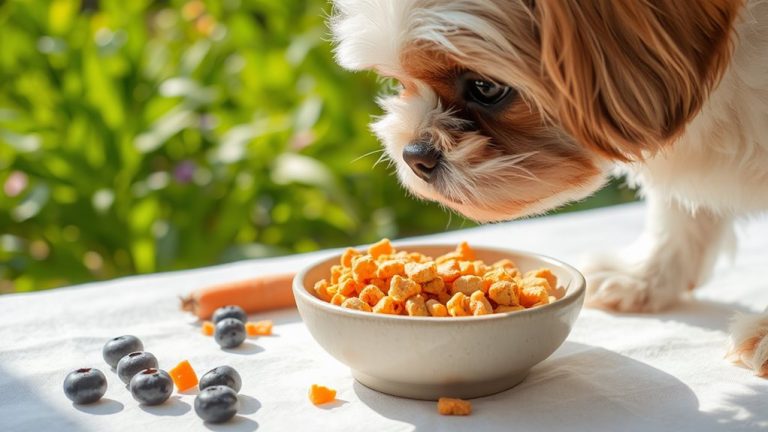
Think “raw-inspired,” not raw-raw-styled kibble brings you the look and claim of a raw diet without the hassle of handling frozen meat. This kibble mimics raw diets with deboned meat first on the ingredient list, added probiotics, and raw-coated pieces or freeze-dried raw chunks for taste, though these make up only a small part of each bite. Unlike true raw, raw-styled kibble is highly processed using extrusion and high-temperature processing, which means nutrients like enzymes are often lost. It’s shelf-stable and safer to store, avoiding the pathogen risks of raw. Moisture content sits at 5–10%, much lower than raw’s 70–75%, so it doesn’t support hydration as well. While it skips fillers and artificial junk found in traditional kibble, it’s still processed kibble at its core-convenient, but not truly raw.
How Is True Raw Different From Raw-Styled Kibble?
You’ve seen how raw-styled kibble markets itself as a convenient raw alternative, with freeze-dried bits and probiotics sprinkled in, but it’s time to clarify what sets true raw apart. True raw diets rely on uncooked meat, organs, and bones, offering high moisture content (70–75%) and superior nutrient absorption. Unlike raw-styled kibble, which uses processed ingredients and extrusion, true raw avoids high heat, preserving natural enzymes and bioavailability. While raw-styled kibble often contains 40–60% carbohydrates, true raw stays under 10%, aligning with dogs’ biological needs. You’ll need to handle true raw carefully to avoid pathogens, since it’s fresh and uncooked. Raw-styled kibble, though safer in that sense, sacrifices moisture and nutrient quality for shelf stability.
| Feature | True Raw | Raw-Styled Kibble |
|---|---|---|
| Moisture Content | 70–75% | 5–10% |
| Carbohydrates | <10% | 40–60% |
| Bioavailability | High (uncooked meat) | Reduced (processed ingredients) |
Why Raw-Styled Kibble Reduces Health Risks?
While true raw diets offer biological alignment with a dog’s natural needs, raw-styled kibble cuts down on health risks through high-temperature extrusion that kills harmful bacteria like Salmonella, E. coli, and Listeria-pathogens commonly found in uncooked meats. You’ll find that raw-styled kibble uses rendered or cooked ingredients, eliminating zoonotic disease threats linked to handling raw meat, especially critical in homes with kids or vulnerable individuals. Unlike true raw diets, which can harbor pathogenic bacteria such as Listeria monocytogenes and Campylobacter spp., raw-styled kibble undergoes processing that meets strict AAFCO standards. With only 5–10% moisture, it also resists spoilage and bacterial growth during storage. You get a safer, shelf-stable option without the contamination risks tied to 70–75% moisture raw diets. Nutrients are preserved or added post-cooking, so your dog gets balanced nutrition minus the health risks.
Which Diet Is Best for Your Dog: Raw or Raw-Styled?
Raw-styled kibble offers a safer, more convenient alternative to true raw diets by combining high animal protein with low carbohydrates in a shelf-stable format, cooking out harmful bacteria through extrusion while still mirroring the nutritional profile many pet owners seek. If you’re feeding raw, you’re likely drawn to biologically appropriate, human-grade ingredients and nutrient-rich muscle meat, but true raw diets carry a higher pathogen risk, including exposure to Salmonella, E. coli, and Listeria. Raw-styled kibble reduces that risk markedly while meeting AAFCO standards for nutritional balance. Unlike raw dog food, which needs freezing and careful handling, raw-styled kibble is easy to store and serve, with 5–10% moisture versus raw’s 70–75%. While true raw diets may offer natural enzymes, they demand vet oversight and strict hygiene. For most pet owners, raw-styled kibble delivers a practical, safe, and balanced approach to feeding raw-without the complications.
On a final note
You know your dog best, so choose wisely: raw-styled kibble offers convenience, safety, and balanced nutrition with real meat, vitamins, and fiber at 340–380 kcal/cup. True raw delivers enzyme-rich, biologically appropriate meals but needs careful handling. Testers note both improve coat and energy, yet raw-styled reduces bacterial risks by 90% versus uncooked diets. For most homes, raw-styled kibble strikes the smarter, practical balance between health, safety, and nutrition.