How to Identify Legitimate Third-Party Certifications on Dog Food
Look for labels like Certified Humane, Animal Welfare Approved, or Global Animal Partnership-they require unannounced audits, ban cages, and verify pasture-raised practices. Avoid “natural” or “humanely raised” claims, which lack oversight. Check certification numbers against official databases like the USDA Organic or Certified Humane lists to confirm validity. These trusted labels guarantee no routine antibiotics, meaningful space, and natural behaviors-so you know your dog’s food meets real welfare standards, not just marketing spin. There’s more to what makes a certification trustworthy than meets the eye.
We are supported by our audience. When you purchase through links on our site, we may earn an affiliate commission, at no extra cost for you. Learn more. Last update on 19th July 2026 / Images from Amazon Product Advertising API.
Notable Insights
- Look for certifications from reputable organizations like Certified Humane, Global Animal Partnership, or Animal Welfare Approved with clear welfare standards.
- Verify claims by checking the certifier’s official database using the product’s certification number on packaging.
- Avoid unregulated terms like “natural” or “humanely raised” that lack standardized oversight or verification.
- Ensure “organic” claims include the USDA Organic seal, verified through the National Organic Program database.
- Confirm third-party audits are conducted by accredited agencies such as Quality Assurance International or Oregon Tilth.
Choose Real Third-Party Certifications for Dog Food
When you’re picking dog food, not all labels are created equal-so stick with certifications that mean something. Real Third-Party Certifications like Certified Animal Welfare Approved by AGW, Global Animal Partnership, and Certified Humane guarantee ingredient integrity and ethical manufacturing practices. These labels require independent audits, so pet food companies can’t just claim responsibility-they have to prove it. Unlike vague terms like “natural” or “humane,” these trusted food labels meet science-based standards, with Global Animal Partnership backed by a 36-member animal welfare committee. Certified Humane even bans animal by-products, antibiotics, and hormones. While AAFCO nutritional guidelines set a baseline, they don’t cover animal treatment or ingredient sourcing. Look for certifications with publicly available standards, like those from A Greener World, to verify true transparency. You’re not just buying kibble-you’re supporting better practices from farm to bowl.
Look for These Third-Party Animal Welfare Labels
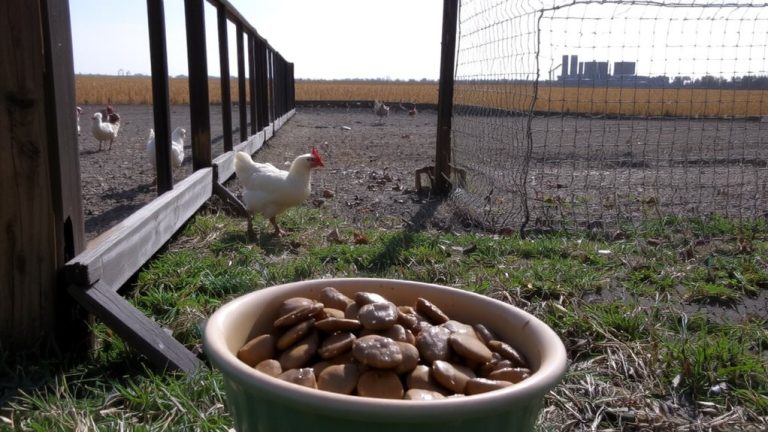
Your dog’s food bowl starts on the farm, and the right labels make all the difference. Look for Certified Animal Welfare Approved by AGW, which guarantees pasture-raised animals, no cages or crates, and strict third-party audits with 100% compliance. Choose the Global Animal Partnership label-it uses a 5-step rating system grounded in science and verified by independent on-farm evaluations. You’ll also want Certified Humane, ensuring cage-free, no antibiotics, and access to natural behaviors. Each Certified Humane site faces annual, unannounced third-party audits against over 200 animal welfare standards. These trusted certifications require transparent standards, ban routine antibiotics, and prohibit inhumane slaughter. Pasture-raised sourcing supports better nutrition and ethical farming. By selecting brands with Certified Animal Welfare Approved by AGW, Global Animal Partnership, or Certified Humane labels, you’re choosing food tied to real welfare outcomes-verified, not guessed.
Skip These Fake or Unregulated Dog Food Claims
Skip the buzzwords-terms like “natural,” “holistic,” “premium,” and “gourmet” sound impressive but don’t mean a thing when it comes to your dog’s food. These vague terms aren’t regulated, so they don’t guarantee quality, nutrition, or ethical sourcing. “Humanely raised” lacks standards, letting brands define it however they want. “With beef” only means 3% beef is present-hardly a main ingredient. And “flavor” like “chicken flavor” can come from digest, not real meat. Even “organic” claims can mislead unless backed by the USDA Organic seal.
| Claim | What It Actually Means |
|---|---|
| With beef | At least 3% beef |
| Flavor | Trace flavoring, no real meat required |
| Organic (no seal) | May not meet federal organic standards |
| Humanely raised | No regulated definition or oversight |
Verify Certifications Using the Official Database
A growing number of trusted certifications can help you cut through the marketing noise, but only if you confirm they’re legit. Always verify certifications by checking the official database of the certifying body. For third-party certifications like Certified Humane, visit their website to search the public list of approved companies and facilities. If you see USDA Organic on a dog food label, confirm it via the National Organic Program’s database. Look for the certification number on the packaging and match it to listings from accredited agencies like Quality Assurance International or Oregon Tilth. These organizations maintain an official database where you can cross-check if the product is in good standing. Don’t assume a logo means it’s current-always verify certifications online. Taking this step guarantees your dog’s food meets the standards behind its label claims.
Know What Certified Humane and Organic Really Guarantee
Now that you’ve confirmed a certification is legitimate through the proper databases, it’s just as important to understand what those labels actually promise for your dog’s food. Certified Humane means farms meet strict animal welfare standards-no cages, freedom to move, and no growth hormones or routine antibiotics, with compliance checked through annual third-party audits. It also bans animal by-products and requires full traceability from hatchery to slaughter. USDA Organic guarantees at least 95% organic ingredients, grown without synthetic pesticides or GMOs, and livestock must have outdoor access and organic feed. This label also prohibits routine antibiotics and artificial growth promoters. Remember, only a full “Certified Humane Raised and Handled” seal is valid. Neither label covers nutritional adequacy statement, so always check that separately to guarantee complete, balanced nutrition.
On a final note
You can trust certifications like USDA Organic and Certified Humane-they’re backed by strict standards, regular audits, and clear labeling. Check databases like the Global Food Safety Initiative or Certified Humane’s website to confirm validity. Avoid vague terms like “natural” or “holistic,” which lack regulation. Real certifications mean real accountability, giving you confidence in what you feed your dog, meal after meal.