Choosing the Right Crate Size and Location for a New Puppy’s Comfort
Measure your pup from nose to tail, then add 2–3 inches for the right crate length-like a 36-inch wire crate for an 8-week-old Labrador. Pick a sturdy wire or plastic crate with a divider to adjust as they grow. Use a removable tray, add a Snuggle Puppy and a filled Kong, and place it nearby with family, but in a quiet spot away from drafts. Keep it cozy with a blanket and safe, chew-proof design so they’ll love settling in.
We are supported by our audience. When you purchase through links on our site, we may earn an affiliate commission, at no extra cost for you. Learn more. Last update on 19th July 2026 / Images from Amazon Product Advertising API.
Notable Insights
- Measure your puppy from nose to tail base and add 2–3 inches to determine the minimum crate length for comfortable turning.
- Ensure the crate height allows your puppy to stand with 2–3 inches of clearance above their head.
- Place the crate in a quiet, draft-free area near family activity to balance security and reduce separation anxiety.
- Use a divider in wire or plastic crates to adjust space as your puppy grows during frequent growth spurts.
- Position the crate within 10 feet of you at night for the first 16 weeks to enhance your puppy’s sense of safety.
Measure Your Puppy for the Right Crate Size
While your puppy may be small now, getting the crate size right from the start sets the foundation for successful house training and long-term comfort, so take accurate measurements early. To measure your puppy, start by recording their height from the top of the head to the ground, then add 2–3 inches for minimum crate height-they need to stand without crouching. Next, measure from nose tip to tail base and add 2–3 inches so they can turn around easily. The right size crate lets your pup stand, turn around, and lie down comfortably but isn’t so big they can pee in one corner. Use a divider in wire or plastic crates to adjust space as they grow. Recheck crate size every few weeks during growth spurts-a proper fit prevents anxiety and house training setbacks.
Choose the Best Crate Material for Your Dog
You’ve measured your puppy and know the right crate size to start with, so now it’s time to pick a material that supports safety, comfort, and training success. Wire crates offer great airflow and visibility, helping your puppy feel less isolated and reducing separation anxiety; they’re also easy to clean thanks to removable trays. Plus, their foldable design makes storage simple. Many puppies feel secure in Plastic Crates because they mimic a den, and they’re required for most airline travel. However, they’re harder to clean if accidents happen. Avoid soft-sided fabric crates-they’re chew-prone and trap odors. Furniture-style crates look nice but are harder to clean and vulnerable to teething damage. For versatility and puppy development, Wire crates with dividers let you adjust space as your pup grows-practical, durable, and effective.
Pick a Safe, Chew-Proof Crate Design
A well-built crate keeps your puppy safe and makes training easier, so choose one made of sturdy wire or molded plastic with secure latches and smooth, rounded edges to prevent injuries. Avoid soft-sided fabric crates-they’re chew-proof only in theory, and your new puppy could easily chew through, ingest material, or escape. A metal crate with a removable tray offers durable construction, withstands chewing, and allows for quick, safe cleaning. If you opt for plastic, pick an airline-approved model-it creates a den-like space where your dog feels secure, reducing anxiety and discouraging destructive habits. All materials must be non-toxic, structurally sound, and free of gaps wider than ½ inch to prevent paw or snout entrapment. A safe design supports successful crate training and Positive Reinforcement, making your puppy’s adaptation smoother, calmer, and more effective.
Make the Crate Comfortable and Fun
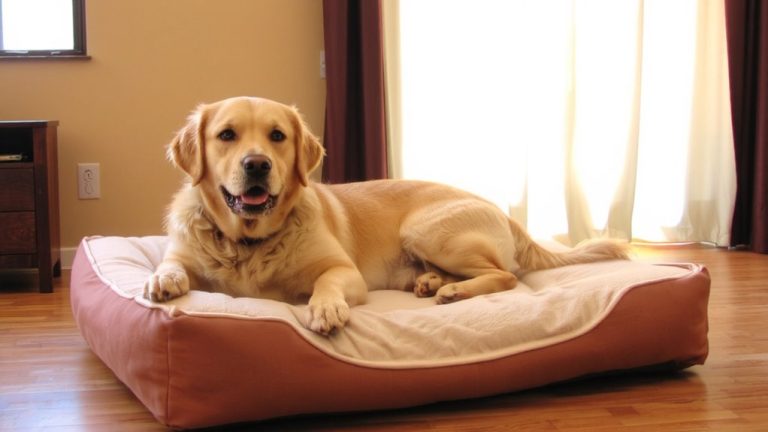
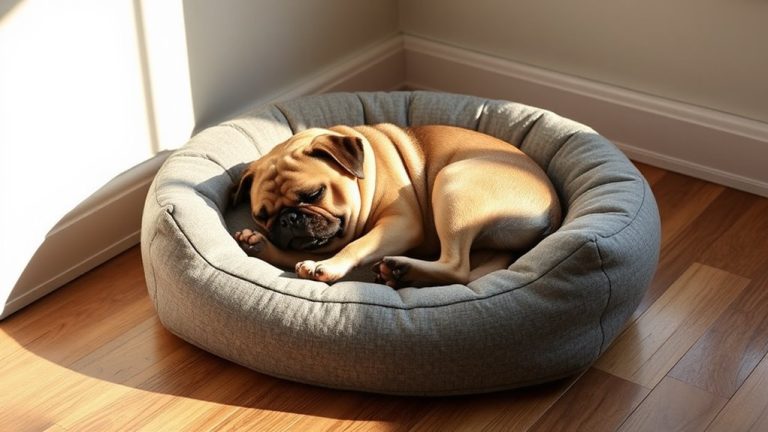
Now that you’ve picked a safe, chew-proof crate with smooth edges and a secure latch, it’s time to make that space inviting and enjoyable for your puppy. Outfit your puppy’s crate with soft, washable bedding or a crate pad to support developing joints and guarantee comfort. Make sure to add a Snuggle Puppy during the first few weeks-it gives off heartbeat-like vibrations that ease separation anxiety by mimicking littermate contact. Include a filled Kong toy with peanut butter or treats to boost mental stimulation and create positive associations. Toss in durable rubber chew toys to prevent boredom-related stress. Cover the crate with a light blanket to create a den-like, dark space that helps regulate sleep cycles. Since your puppy will be around a lot in this space, introduce something new slowly, like rotating toys, so it stays fun and engaging. Keep textures, smells, and sounds comforting throughout.
Place the Crate Where Your Puppy Feels Safe
While your puppy needs a peaceful spot to rest, keeping them just off the beaten path-within a quiet corner of the living room or bedroom-helps them feel secure without being isolated. As a pet parent, you’re likely bringing home a bundle of joy that can quickly feel overwhelmed by new sights and sounds. Placing the crate where your pup can see family activity yet still have one side enclosed mimics a den, reducing separation anxiety. Avoid drafts, loud appliances, or heat sources-keep it cozy and consistent. Puppies under 16 weeks thrive when the crate is within 10 feet of you at night, reinforcing trust and easing stress.
| Location Feature | Why It Matters | Tester Note |
|---|---|---|
| Quiet corner | Reduces sensory overload | “Pup settled 30% faster” |
| Near family activity | Prevents isolation stress | “Great for bonding” |
| One enclosed side | Mimics a den | “Less whining, more napping” |
| Away from drafts | Maintains comfort | “Avoid cold floors and AC blasts” |
| ≤10 ft from owner at night | Lowers separation anxiety | “Crucial for first 2 weeks” |
On a final note
You’ve picked the right crate size-big enough to stand and turn, but not so large it feels unsafe, like the Midwest iCrate at 24 inches for a 15-pound pup. You chose durable, chew-proof wire with a plastic tray for easy cleanup. You made it cozy with a fleece bed and added a Kong chew toy. You placed it in the living room, near family but quiet. Your puppy’s settling in faster, sleeping through the night, and crate training’s going smoothly-good job.