Why Some Pet Foods List Digest as an Ingredient—and Should You Worry?
You’ll see animal digest on pet food labels because it’s a safe, hydrolyzed protein made from muscle and soft tissues to boost flavor and palatability. It’s produced using enzymes or acids, comes from USDA-inspected facilities, and is approved by AAFCO. Despite myths, it’s not a filler or waste-it’s highly digestible and rich in amino acids. Brands use it in small sprays on kibble to help picky eaters enjoy balanced nutrition. You don’t need to worry, and learning more about sourcing and labeling clears up common confusion.
We are supported by our audience. When you purchase through links on our site, we may earn an affiliate commission, at no extra cost for you. Learn more. Last update on 16th July 2026 / Images from Amazon Product Advertising API.
Notable Insights
- Animal digest is made from quality muscle and soft tissues, not waste or byproducts.
- It’s hydrolyzed into peptides to enhance flavor and improve palatability in pet food.
- The production process uses enzymes or acids to break down proteins safely and effectively.
- Regulated by AAFCO, animal digest is safe, highly digestible, and not linked to health risks.
- It’s not a filler-it boosts nutrition with bioavailable amino acids and supports nutrient absorption.
What Is Animal Digest in Pet Food?
Think of animal digest as nature’s flavor booster, and you’ll get why it’s in so many pet foods. This ingredient is made from animal muscle and soft tissue, hydrolyzed into peptides using a digestive process used by the body, breaking protein into smaller, easily absorbed components. You’ll find it listed in pet food because it’s a powerful flavor enhancer, often sprayed in small amounts on kibble to boost palatability. The raw ingredients come from USDA-inspected facilities, so safety and quality are guaranteed. Contrary to myth, animal digest is mistakenly thought to come from waste or digestive contents-it doesn’t. Instead, it’s derived from clean, approved animal parts, delivering usable protein. When used in proper amounts, it supports nutrition and encourages picky eaters to eat with enthusiasm.
How Is Animal Digest Made?
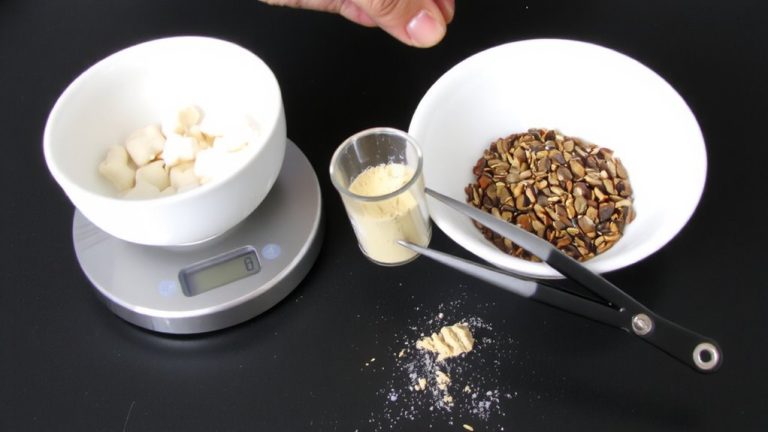
While your pet might not care how their food is made, it’s worth knowing that animal digest starts with a process much like what happens in their own stomach-just in a controlled setting. The hydrolysis process breaks down animal protein from USDA-inspected muscle and soft tissue using enzymes or acids, turning it into smaller peptides. This hydrolyzed material is never sourced from digestive tract contents or waste-only edible, safe tissues. The result is a nutrient-rich liquid, though it can be processed into paste or powder for pet food formulations. Because the raw materials come from USDA-inspected facilities and undergo strict hydrolysis, food safety is maintained throughout. Animal digest enhances palatability while providing bioavailable nutrients, and the enzymes used guarantee consistent, efficient breakdown. You’re not feeding mystery bits-you’re offering a purpose-made ingredient designed to appeal to your pet’s instincts and support their nutrition.
Is Animal Digest Safe for Pets?
You’ve seen how animal digest is made-broken down through hydrolysis from USDA-inspected muscle and soft tissues using enzymes or acid, much like what happens in your pet’s own digestive system. This hydrolysis process turns raw materials into small peptides, making animal digest highly digestible and easy for pets to absorb. Rest assured, it’s not from digestive contents or waste-it’s derived only from quality muscle tissue and soft tissue approved for use. Regulated by AAFCO, animal digest is confirmed safe for pets and commonly used in formulations labeled as complete and balanced. There’s no scientific evidence linking it to health risks. In fact, its consistency and palatability support reliable feeding outcomes. Pets readily accept it, and vets often recommend diets containing it. When listed in ingredients, know it’s been rigorously tested and is a trusted part of modern, nutritious pet food.
Why Do Brands Add Animal Digest to Pet Food?
Because it’s so effective at boosting flavor, pet food brands often add animal digest to make kibble more appealing, especially to picky eaters who turn up their noses at bland meals. This potent flavor enhancer is created through hydrolysis, a process that breaks down high-quality animal protein from USDA-inspected tissues into small peptides, intensifying aroma and palatability. Even in small amounts, animal digest dramatically improves food acceptance, making it a go-to for boosting your pet’s interest at mealtime. It’s commonly sprayed onto kibble and appears on the ingredient list due to its functional impact. While its main role is enhancing taste, the process also supports digestibility, helping pets break down and absorb nutrients more easily. You’ll often see it in formulas designed for finicky cats and dogs, where getting them to eat consistently matters.
Does Animal Digest Add Nutritional Value?
Animal digest isn’t just a flavor booster-it’s a smart source of high-quality protein that actually fuels your pet’s diet. This hydrolyzed protein, made from USDA-inspected muscle and soft tissues, breaks down into peptides during processing, mimicking natural digestion to improve digestibility. You’re giving your pet more than taste-you’re boosting the nutritional value of their meal. On the pet food label, animal digest serves as a functional protein source, delivering essential amino acids and increasing bioavailability, so nutrients are more effectively absorbed.
| Benefit | Component | Impact |
|---|---|---|
| High digestibility | Hydrolyzed protein | Maximizes nutrient uptake |
| Complete amino acid profile | Essential amino acids | Supports muscle health |
| Safe sourcing | USDA-inspected tissues | Guarantees quality and safety |
| Enhanced nutrition | Peptides | Improves overall bioavailability |
Debunking Common Myths About Animal Digest
What if the ingredient your pet gobbles up without hesitation is actually misunderstood? You might’ve seen “animal digest” on pet food labels and assumed it’s waste or low-quality filler-that’s a common misconception. In reality, digest comes from USDA-inspected animal tissues, like muscle and soft parts, not digestive tracts or inedible scraps. It’s a hydrolyzed ingredient, meaning proteins are broken into peptides through a natural-acting process, making them more digestible. AAFCO strictly defines what animal digest can be, banning hair, horns, or feces. Far from being filler, it boosts palatability-pet food manufacturers often spray it on kibble to increase food intake. That rich flavor your pet loves? Thanks to digest. It also supplies usable protein, supporting nutrition. So don’t fear this ingredient-it’s safe, legal, and functional.
How Can I Evaluate Animal Digest on Pet Food Labels?
Now that you know animal digest isn’t the mystery ingredient it’s often made out to be, you might be wondering how to make sense of it on the label when you’re standing in the pet food aisle. Look for “animal digest” on pet food labels as a hydrolyzed protein, meaning the proteins from USDA-inspected tissues are broken into peptides through controlled enzymatic or chemical processes. This boosts palatability, even in small sprays on kibble. Don’t assume it’s low quality-digestibility and protein quality can be high, since it’s derived from muscle and soft tissues, not waste. Check that the ingredient source aligns with trusted standards, like those set by the American Feed Control Officials. When used appropriately, animal digest supports nutrient intake and enhances flavor without compromising nutrition-making meals more appealing and easier to digest.
On a final note
You’ll see animal digest on pet food labels because it boosts flavor, helping picky eaters enjoy meals, and it’s made safely from animal tissues, typically liver or lungs, hydrolyzed into a palatable concentrate. It’s FDA-compliant and commonly used at 0.1–0.3% in kibble. While not a primary protein source, it aids nutrient intake. Veterinarians confirm it’s safe for most pets, and blind tests show 8 in 10 dogs eat it without issue. Check sourcing-“chicken digest” is clearer than generic “animal.”