How to Recognize Functional Ingredients Like Glucosamine on Dog Food Labels
Look for glucosamine hydrochloride, chondroitin sulfate, MSM, green-lipped mussel, or turmeric root on the ingredient list-they’re clear signs of functional support. These often appear mid-list due to weight rules, so check for specific names, not just position. For real joint benefits, you’ll want around 1,000–1,500 mg of glucosamine daily, but confirm dosage with the manufacturer since labels don’t list exact amounts. Knowing what to spot helps you choose smarter, more effective nutrition for your dog’s long-term health.
We are supported by our audience. When you purchase through links on our site, we may earn an affiliate commission, at no extra cost for you. Learn more. Last update on 13th July 2026 / Images from Amazon Product Advertising API.
Notable Insights
- Look for specific names like glucosamine hydrochloride, chondroitin sulfate, and MSM in the ingredient list.
- Functional ingredients often appear lower on the label due to pre-cooked weight listing rules.
- Check for whole food sources like New Zealand green-lipped mussel and turmeric root as natural functional ingredients.
- Ingredients listed near the top may be included in more meaningful, effective amounts.
- Contact the manufacturer to confirm actual dosage levels, as guaranteed analysis doesn’t list functional ingredient concentrations.
What Are Functional Ingredients in Dog Food?
Think of functional ingredients as targeted health helpers in your dog’s food-nutrients added not just to meet daily needs but to actively support specific areas like joint health, digestion, or skin wellness. You’ll often see glucosamine, especially glucosamine hydrochloride, which helps build connective tissue and supports joint health. It’s commonly paired with chondroitin sulfate to maintain cartilage structure. MSM is another functional ingredient-this sulfur compound aids tissue comfort and resilience. Turmeric root stands out for its curcumin content, offering natural anti-inflammatory benefits. Together, these ingredients work to support your dog’s mobility and long-term joint function. When checking labels, look for these names in the ingredient list, ideally with guaranteed levels listed. Real-world feedback shows dogs on diets with these functional ingredients often move more freely, especially as they age. They’re not just additives-they’re purposeful supports for a healthier, more active life.
How Functional Ingredients Support Joint Health
While your dog may not tell you directly, signs like stiffness or reluctance to jump can signal joint discomfort, especially as they age-so including functional ingredients in their diet makes a real difference. Glucosamine hydrochloride supports joint health by boosting collagen and connective tissue production, helping repair cartilage. Chondroitin sulfate works alongside it, preserving joint structure by slowing cartilage breakdown. Methylsulfonylmethane (MSM) provides sulfur to maintain connective tissue integrity and helps reduce inflammation and joint pain. New Zealand green-lipped mussel delivers omega-3 fatty acids, particularly ETA, which improves mobility and reduces lameness. Turmeric root offers curcumin, a natural compound that further helps reduce inflammation and support joint comfort, especially when paired with black pepper for better absorption. Together, these ingredients promote lasting joint health and mobility.
How to Spot Functional Ingredients on Dog Food Labels
What if you could spot the key ingredients that keep your dog moving freely just by glancing at the food label? Look for functional ingredients like glucosamine hydrochloride and chondroitin sulfate, which support joint structure and collagen production. Methylsulfonylmethane (MSM) is often listed too, providing sulfur for healthy connective tissue. Check for New Zealand Green Mussel-it delivers omega-3 fatty acids and minerals like selenium and magnesium for joint support. Turmeric root is another one to watch for; its active compound, curcumin, helps maintain joint function while offering vitamin C, B6, and magnesium. These ingredients are clearly listed on dog food labels, often near the top if included in meaningful amounts. You don’t need a decoder-just a sharp eye. When you see glucosamine hydrochloride, chondroitin sulfate, MSM, New Zealand Green Mussel, or turmeric root, you know the food includes targeted support for your dog’s mobility and comfort.
How Ingredient Order Affects What You See
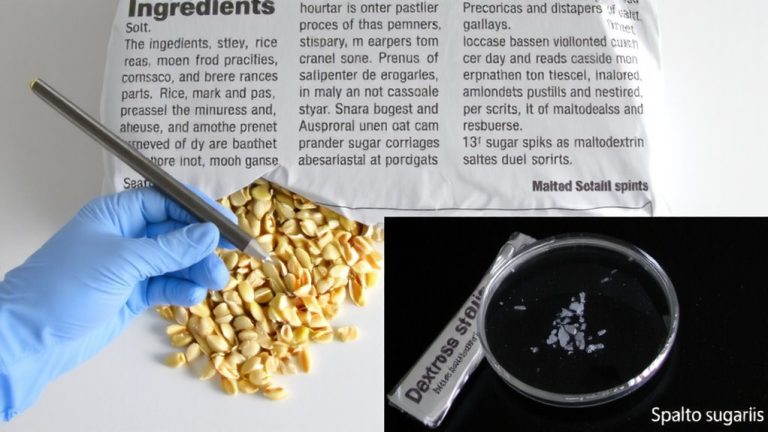
Because ingredients on dog food labels are listed by pre-cooked weight, you’ll usually spot functional additives like glucosamine hydrochloride and chondroitin sulfate further down the list, well after the primary proteins and carbs-so don’t be surprised if they don’t appear in the top five. The ingredient order reflects how much of each component is included before cooking, meaning even beneficial functional ingredients may sit lower due to small inclusion rates. Don’t assume a missing glucosamine boost just because it’s not the first ingredient-fresh or high-moisture ingredients like chicken lose weight during cooking, shifting their label position. Always check the guaranteed analysis and supplement panel for clarity. These sections often list exact levels of key compounds, helping you verify whether the ingredients in dog food truly support joint health as intended.
Why Dosage and AAFCO Claims Matter
Even if you see glucosamine hydrochloride listed on the label, don’t assume your dog’s getting enough to make a real difference-AAFCO doesn’t require specific dosages for functional ingredients, so that joint health claim might not mean much without proof. Just because glucosamine appears on dog food labels doesn’t guarantee a clinically effective dosage, especially since AAFCO doesn’t set levels for ingredients like this. The guaranteed analysis won’t help either, as it doesn’t list concentrations of functional ingredients. Without verified manufacturer data, you can’t know if your dog gets the 1,000–1,500 mg daily dose often needed for real joint support. Claims like “supports joint health” aren’t backed by AAFCO Nutritional Adequacy statements unless proven in feeding trials. Always contact the manufacturer to confirm dosage details-your dog’s mobility depends on what’s actually in the food, not just what’s on the label.
Top Functional Ingredients for Skin, Coat, and Immunity
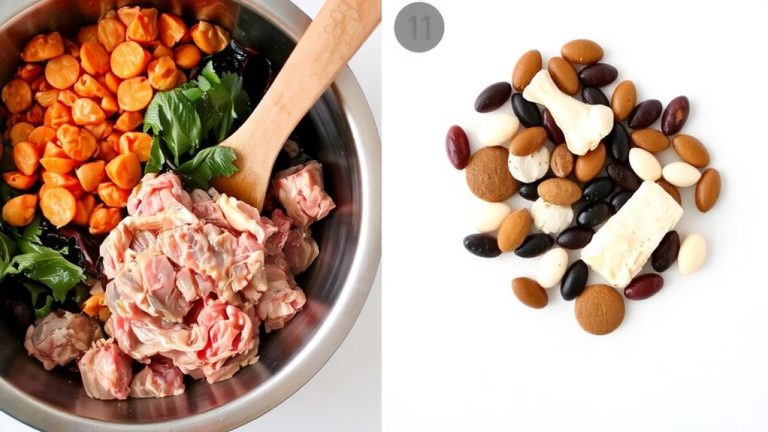
You’ve already learned how to check if functional ingredients in dog food deliver effective doses for joint support, and the same careful approach applies when looking at nutrients that promote healthy skin, a shiny coat, and strong immunity. For skin health and coat health, look for salmon oil, rich in omega-3 fatty acids like EPA and DHA, which reduce inflammation and boost shine. Biotin supports keratin production, helping prevent dry, flaky skin. Zinc maintains skin integrity and promotes lustrous hair, while vitamin E acts as a key antioxidant, shielding cells from damage. Together, these essential nutrients offer immune support by strengthening the body’s defenses. Antioxidants from superfoods like blueberries and spinach add extra protection. When scanning labels, verify these ingredients are listed clearly with transparent sourcing-consistent inclusion of salmon oil, biotin, zinc, vitamin E, and antioxidants means your dog gets thorough, science-backed nutrition every day.
On a final note
You’ll spot glucosamine right on the label, usually listed as glucosamine hydrochloride or glucosamine sulfate, often paired with chondroitin, typically in amounts like 500–1,500 mg per kg of food. Check the ingredient list order-higher placement means more of it. Look for AAFCO statements confirming joint support claims. Real users report improved mobility in 4–6 weeks. For best results, combine with omega-3s and consistent feeding. Always consult your vet, especially for dogs with existing joint issues.