How to Check Your Dog’s Hydration Levels at Home Using Skin
Pinch the skin between your dog’s shoulder blades-on a well-hydrated dog, it snaps back in under one second. If it stays tented for two seconds or more, your dog may be 6–8% dehydrated, especially if gums feel dry or eyes appear sunken. Combine this test with checking gum moisture and capillary refill for accuracy, since senior dogs may show less skin elasticity even when hydrated. For reliable results and next steps, including safe rehydration methods, keep exploring the full picture.
We are supported by our audience. When you purchase through links on our site, we may earn an affiliate commission, at no extra cost for you. Learn more. Last update on 19th July 2026 / Images from Amazon Product Advertising API.
Notable Insights
- Gently pinch the skin between your dog’s shoulder blades to check for hydration.
- In a well-hydrated dog, the skin snaps back within one second.
- Skin that stays tented for over two seconds may indicate dehydration.
- Tenting suggests 6–8% body water loss and requires further assessment.
- Combine the skin test with gum, eye, and capillary checks for accuracy.
How to Check for Dehydration in Dogs at Home
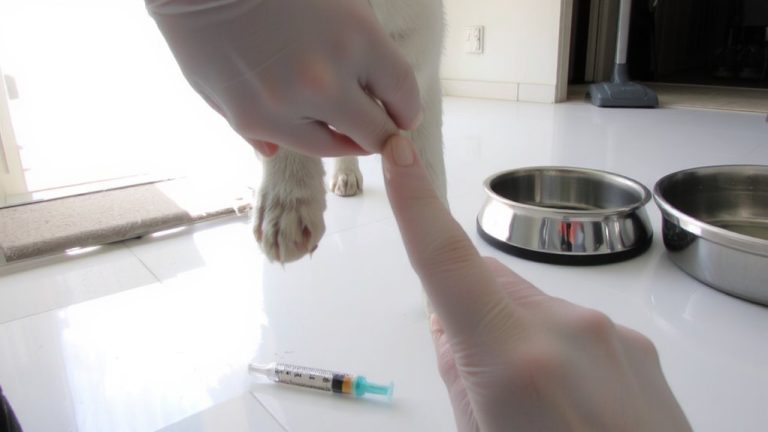
While you’re going about your day, taking a quick moment to check your dog’s hydration can catch early signs of trouble before they become serious. To check for dehydration, perform the skin turgor test: gently pinch and lift the dog’s skin between the shoulder blades. In a well-hydrated dog, the skin elasticity allows it to return to its normal position within one second. If the skin stays tented for over two seconds, your dog may be a dehydrated dog. Combine this test with touch the gums-if they feel dry or sticky, it’s another red flag. Look for other signs of dehydration like sunken eyes. The skin turgor test works best in healthy adult dogs and helps spot moderate to severe fluid loss. If you notice these symptoms, seek veterinary care promptly.
What Slow Skin Elasticity Means in Dehydrated Dogs
A delayed skin snap-taking more than two seconds to return after pinching the scruff-is a clear warning sign your dog may be losing significant fluids, typically signaling at least 6–8% body water loss. This slow skin elasticity, known as tenting, indicates moderate to severe dehydration in dogs. In a well-hydrated dog, skin elasticity allows the pinch test to rebound instantly due to healthy skin turgor. But in a dehydrated dog, reduced fluid loss compromises tissue moisture, causing the skin to stay up in a tented ridge. The more pronounced the tenting, the worse the dehydration, with 10%+ fluid loss being critical. Keep in mind that senior dogs naturally have less skin turgor, so the pinch test may be less reliable-combine it with other checks to confirm dehydration.
Other Signs of Dehydration to Watch For
If you notice your dog’s gums feel dry or tacky to the touch, that’s a reliable early clue they’re not getting enough fluids-healthy gums should be moist and slick, thanks to normal saliva production, but dehydration reduces moisture fast, leaving a sticky surface that can actually catch your fingertip. Check the capillary refill by pressing on the dog’s gums; if color returns in over 2 seconds, it’s a red flag. Look for sunken eyes, a sign of severe dehydration due to lost fat padding. Watch for excessive panting, even at rest, dark yellow urine, and decreased energy. Vomiting and diarrhea accelerate fluid loss, worsening dehydration. And don’t ignore skin tenting-when skin snaps back slowly, it confirms fluid deficit. Dry gums, along with these clues, mean it’s time to act.
When to Call the Vet for a Dehydrated Dog
You’ve noticed the warning signs-dry, sticky gums, sunken eyes, or skin that stays tented for more than a few seconds-now it’s time to act fast, because when it comes to dehydration, those subtle cues can quickly turn into serious trouble. If your dehydrated dog has a skin turgor test showing delayed return beyond 2 seconds, dry gums, sunken eyes, or a capillary refill time over 2 seconds, seek immediate veterinary care. Persistent vomiting, diarrhea, lethargy, or refusal to drink for over 12 hours are red flags. Puppies, seniors, or dogs with chronic conditions need vet evaluation within 6 hours. Symptoms of dehydration can escalate fast, and severe dehydration often requires intravenous fluids and hospitalization, especially with underlying illnesses like kidney disease or diabetes. Don’t wait-your dog’s health depends on swift action.
How to Rehydrate Your Dog Safely
Start rehydration slowly-too much water too fast can make things worse-especially if your dog’s been vomiting or is refusing to drink. To safely rehydrate your dog, administer fluids gradually using a teaspoon for small dogs or a tablespoon to 1/4 cup for medium to large dogs every few hours. Offering water every 5–10 minutes helps prevent vomiting and lets you check your dog’s response. Add low-sodium broth to the water bowl or use ice cubes to make drinking easier. If your dog won’t drink or you notice sunken eyes, lethargy, or slow skin elasticity, your dog may be severely dehydrated-contact your vet immediately.
| Sign of Dehydration | Action Needed |
|---|---|
| Slow skin recoil | Offer small amounts of water |
| Vomiting after drinking | Switch to ice chips, space out offering water |
| Not drinking, weak | Dehydration in your dog is serious-contact your vet |
Prevent Dehydration in Dogs Year-Round
While keeping your dog hydrated might seem straightforward, doing it consistently year-round requires a proactive approach, especially since their needs don’t change with the seasons. Your dog should drink about an ounce of water per pound of body weight daily-so a 25-pound dog needs roughly 3 cups. Always provide fresh, clean water, changing it at least once a day and cleaning bowls regularly to prevent dehydration. Use multiple water bowls-one per pet plus an extra-and consider a filtered pet water fountain, which can boost drinking enough water by up to 20%. Monitoring intake helps catch issues early. To check hydration, gently lift the skin at the scruff; if it doesn’t return to its normal position quickly or feels loose, your dog may not be staying hydrated. These steps help guarantee your dog stays healthy and alert all year.
On a final note
Check your dog’s hydration by gently pulling the skin at the scruff-if it snaps back fast, they’re likely hydrated, but if it tents slowly, they may need fluids. Look for dry gums, sunken eyes, or lethargy. Offer fresh water, use electrolyte solutions like PetLac Hydrate, and call your vet if symptoms persist. Prevent issues with constant water access, especially in heat or after exercise.