How to Prevent and Treat Tapeworms in Hunting Dogs
You protect your hunting dog by preventing exposure to infected prey and fleas, since tapeworms like *Taenia* and *Dipylidium caninum* spread through scavenged rodents or ingested fleas. Spot rice-like proglottids near the anus or in stool, then treat with praziquantel every 3–6 months-use Drontal Plus or NexGard SPECTRA for broad protection. Fecal tests often miss infections, so visual checks and timely deworming matter most. Keep your family safe by avoiding contact with contaminated feces and sticking to a strict prevention plan. There’s more to optimizing your dog’s health the smart way.
We are supported by our audience. When you purchase through links on our site, we may earn an affiliate commission, at no extra cost for you. Learn more. Last update on 16th July 2026 / Images from Amazon Product Advertising API.
Notable Insights
- Hunting dogs get tapeworms by eating infected prey or raw offal containing cysticerci or larvae.
- Look for rice-like proglottids around the anus or in stool as the most reliable sign of infection.
- Standard fecal tests often miss tapeworms; visual identification or fecal antigen testing is more accurate.
- Treat with praziquantel every 3–6 months, or monthly in *Echinococcus multilocularis* high-risk areas.
- Prevent reinfection with year-round flea control and prompt disposal of dog feces.
How Hunting Dogs Get Tapeworms
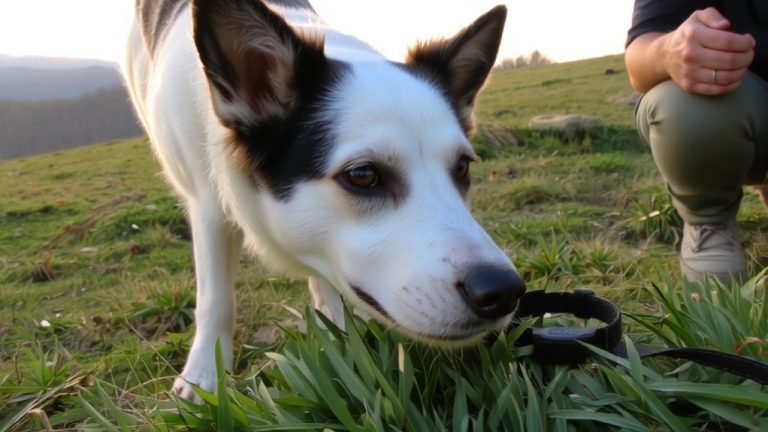
While hunting dogs enjoy the thrill of chasing prey, that instinct puts them at greater risk for tapeworm infections, especially when they swallow infected intermediate hosts. You see, tapeworms like Taenia spp. spread when your dog eats infected prey-such as rabbits or rodents-carrying cysticerci in their muscles. If your dog scavenges raw offal from animals like sheep or deer, they might ingest Echinococcus granulosus larvae, a serious concern for both pet and human health. Even Dipylidium caninum can sneak in when your dog grooms and swallows fleas from infected prey. Free-roaming increases exposure to carrion, feces, and larvae-carrying mammals. That’s why consistent flea control isn’t just about itching-it’s a key defense. Preventive deworming, avoiding raw offal, and limiting contact with infected prey reduce reinfection. Smart habits, combined with vet-approved preventives, keep hunting dogs healthy in the field and at home.
Look for Signs of Tapeworms in Stool and Around the Anus
You just learned how your hunting dog can pick up tapeworms by eating infected prey or scavenging raw offal, but knowing how they get infected is only half the battle-spotting the signs early makes all the difference. Keep an eye out for small, white segments near your dog’s anus or in fresh stool; these tapeworm proglottids look like grains of rice and may still be moving. Dried segments resemble yellowish seeds stuck to fur or bedding. If your dog scoots, it’s likely due to irritation from emerging proglottids. *Dipylidium caninum* segments, 2–7 mm long, often cluster around the anus or in feces. Unlike other intestinal parasites, tapeworm eggs aren’t typically found in standard fecal tests because they’re heavy and shed intermittently. Fleas serve as the intermediate host, and dogs become infected when they ingest them while grooming. Spotting visible segments is the most reliable way to detect tapeworm eggs.
Confirm With Fecal Testing (and Why It Often Fails)
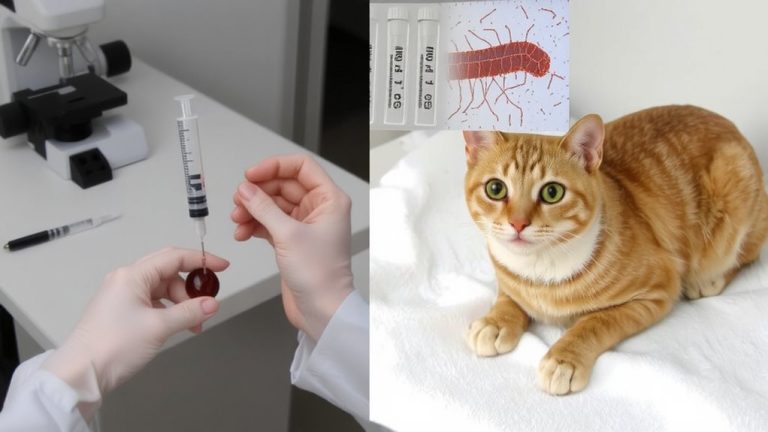
How reliable is that fecal sample your vet sent to the lab? When it comes to tapeworms in dogs, standard fecal flotation tests often fail-tapeworm eggs are dense and may not float, causing false negatives. Plus, intermittent egg shedding means a single fecal sample might miss the infection entirely, even if proglottids are present. You’re more likely to spot proglottids in your dog’s stool or fur than catch them in a test. That’s why diagnosis failure is common with flotation alone. For better accuracy, ask about fecal antigen tests-they detect tapeworm antigens and are more sensitive, especially with low-level infections. If an Echinococcus infection is suspected, PCR testing is essential, since E. granulosus and E. multilocularis eggs look identical under a microscope. Don’t rely solely on flotation-combination testing gives you the clearest picture.
Treat With Praziquantel: What Dog Owners Need to Know
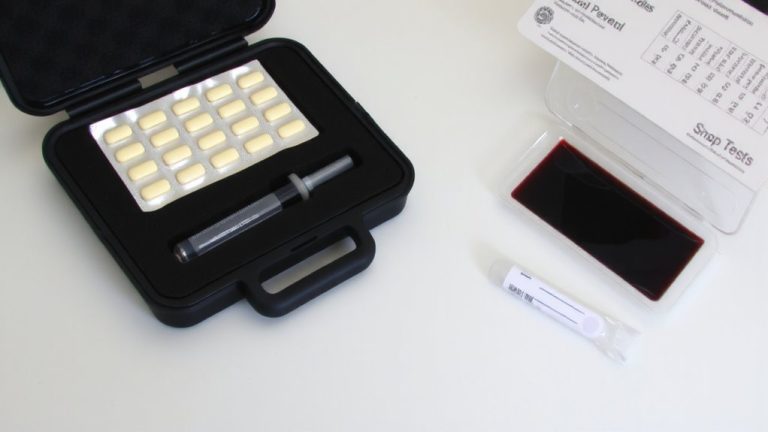
If your hunting dog is exposed to tapeworms through scavenged prey or fleas, praziquantel is the go-to treatment, effective against *Dipylidium caninum*, *Taenia* spp., and *Echinococcus* spp. This deworming medication works by damaging the parasite’s skin, causing it to break apart and be absorbed. Praziquantel comes in oral tablets, injectable solutions, and combination chews like Drontal Plus, which also targets other intestinal worms. For hunting dogs, vets often recommend treatment every 3–6 months, especially where *Taenia* spp. exposure is high. In areas with *Echinococcus multilocularis*, such as Alaska or northern U.S. regions, monthly dosing may be needed. Though generally effective, praziquantel resistance in *Dipylidium caninum* has appeared in parts of the U.S., so your vet might suggest alternatives like nitroscanate or combination therapies if needed.
Block Reinfection From Fleas and Infected Prey
While preventing reinfection starts with regular deworming, keeping your hunting dog free of tapeworms means tackling the source-fleas and infected prey. Dogs become infected when they ingest an adult flea carrying tapeworm larvae or eat raw offal from infected animals. Fleas and infected prey are the main routes of tapeworm infection, so control and prevention are critical. Use year-round flea preventatives like NexGard or NexGard SPECTRA to stop reinfection from fleas. Praziquantel every 3–6 months helps prevent tapeworm, especially in areas where Echinococcus is found. In high-risk zones, treat every 4 weeks. Always dispose of infected dogs feces promptly-tapeworms be passed through feces, contaminating the environment. An infected flea can develop quickly in unclean conditions, so consistent hygiene and treatment keep your dog protected.
Protect Your Family From Zoonotic Tapeworm Risks
You’ve taken steps to block reinfection by controlling fleas and limiting exposure to infected prey, but protecting your hunting dog isn’t just about their health-it’s also about keeping your family safe from zoonotic tapeworms. *Echinococcus granulosus* and *E. multilocularis* are two species that can pass from dogs to humans, with eggs shed in your dog’s feces potentially causing serious illness, including hydatid cysts in the liver, lungs, or brain. Humans become infected by accidentally ingesting these eggs, especially children playing near contaminated areas. Strict hand hygiene after handling hunting dogs or waste is essential. Use praziquantel every 4–6 weeks in endemic regions to reduce shedding. Effective flea control helps prevent *Dipylidium caninum* risks. Promptly dispose of dog waste in sealed bags to lower environmental contamination. These steps protect both your dog and your household from dangerous zoonotic tapeworm exposure.
On a final note
You can prevent tapeworms by giving your hunting dog praziquantel every 3–4 weeks during active seasons, especially after known exposure to fleas or raw game. Check stool and anus weekly; look for rice-like segments. Even with clean fecals, treat if signs appear-tests miss up to 50% of infections. Use flea control like Frontline Plus monthly. Keep your dog from eating guts or carcasses. Always wash hands after handling dogs or waste to protect your family.