Symptoms and Care for Cats With Feline Infectious Anemia (Mycoplasma)
Your cat may show pale gums, yellowed eyes, lethargy, and fast breathing if infected with *Mycoplasma haemofelis*. These signs mean severe anemia is limiting oxygen delivery. Start doxycycline for at least 2 weeks, or longer with marbofloxacin for chronic cases. If packed cell volume drops below 15%, a transfusion might be needed. Support with fluids and assisted feeding, avoid corticosteroids unless confirmed immune-mediated hemolysis, and test for FIV or FeLV. Watch for relapse during stress. There’s more to managing long-term recovery effectively.
We are supported by our audience. When you purchase through links on our site, we may earn an affiliate commission, at no extra cost for you. Learn more. Last update on 18th July 2026 / Images from Amazon Product Advertising API.
Notable Insights
- Cats with Feline Infectious Anemia often show pale gums, lethargy, rapid breathing, and jaundice due to severe anemia.
- The disease is caused by *Mycoplasma haemofelis*, which attaches to red blood cells and triggers their immune-mediated destruction.
- Diagnosis relies on PCR testing of blood samples taken before antibiotics, supported by CBC and blood smear analysis.
- Treatment includes doxycycline for at least 2 weeks, with blood transfusions if packed cell volume drops below 15%.
- Supportive care involves fluid therapy, assisted feeding, and managing stress to prevent relapse, especially in immunocompromised cats.
What Causes Feline Infectious Anemia?
Think of your cat’s red blood cells as tiny oxygen taxis, and *Mycoplasma haemofelis* as a hijacker that latches on and causes the whole system to crash. This bacterium is the main culprit behind Feline Infectious Anemia (FIA), triggering immune-mediated destruction of red blood cells. While two other species can contribute, *Mycoplasma haemofelis* is the most pathogenic. The parasite spreads primarily through blood-to-blood contact-like bite wounds during fights or unsafe blood transfusions-and possibly from mother to kittens, though that’s not fully confirmed. Fleas were once blamed, but current evidence shows weak support for flea-borne transmission due to false-positive test results. If your cat has FIV or FeLV, their risk of developing FIA after infection increases markedly. Not all exposed cats show illness, but when they do, swift veterinary care is critical.
Key Symptoms of FIA in Cats
| Symptom | What to Watch For |
|---|---|
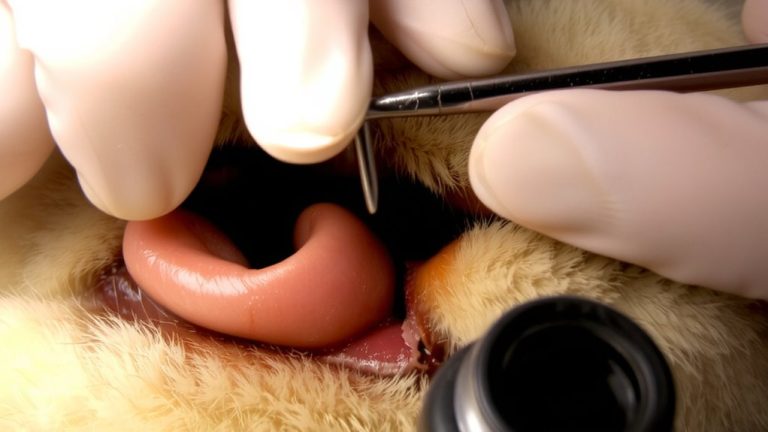
| Pale mucous membranes | Gums appear white or very light pink |
| Jaundice | Yellow tint in gums, ears, or eyes |
| Lethargy | Reduced activity, difficulty waking |
| Rapid breathing | Breathing faster than normal at rest |
Diagnosing Feline Infectious Anemia
A vet will typically start diagnosing feline infectious anemia by running a PCR assay, which is the most reliable way to detect Mycoplasma haemofelis DNA in your cat’s blood, and you’ll want to get this test done before any antibiotics are started since treatment can lower bacterial levels and lead to false negatives. Your vet will collect blood samples specifically for the PCR assay to guarantee accurate detection. A complete blood count (CBC) is also critical-it measures packed cell volume (PCV), and you’ll likely see reduced levels, confirming anemia. While examining a peripheral blood smear, your vet might spot small, basophilic organisms on red blood cells, but these can fluctuate daily and are often missed. Since FeLV and FIV co-infections are common and worsen outcomes, screening for them is routinely done alongside the CBC and PCR assay.
Antibiotics and Supportive Care for FIA
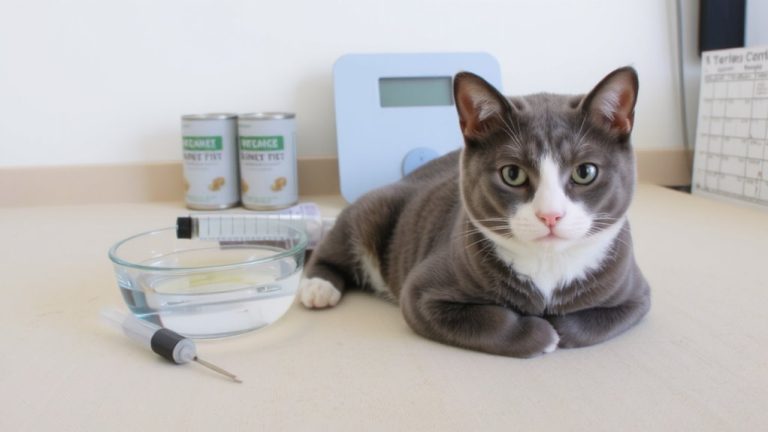
While your cat’s diagnosis of feline infectious anemia can feel overwhelming, starting the right treatment quickly makes a clear difference in their recovery, and doxycycline is the go-to antibiotic, usually given for at least two weeks, though a longer 4-week course followed by 2 weeks of marbofloxacin is often better for chronic *Mycoplasma haemofelis* infections. This antibiotic helps reduce symptoms, but it might not fully clear the infection, and relapses can happen if your cat faces stress or weakened immunity. For severely anemic cats, a blood transfusion is often needed when packed cell volume drops below 15%, improving oxygen delivery fast. Supportive care is essential-fluid therapy prevents dehydration, and assisted feeding keeps nutrition up if your cat refuses to eat. Avoid corticosteroids unless immune-mediated hemolysis is confirmed, as they can worsen the infection.
Stopping Transmission: Fleas, Bites & Blood
Every year, countless cats are exposed to *Mycoplasma haemofelis* through direct blood contact, and though fleas were once thought to be a key transmitter, recent evidence suggests they’re unlikely to spread the infection-previous detections in fleas may have been false positives due to contaminated samples. Instead, cat bites from fights are a major route, transferring Feline Hemotropic agents directly via infected blood. If your cat goes outside or interacts with others, keeping them indoors and neutered reduces aggression and bite risks. Blood transfusions can also transmit *M. haemofelis*, so always screen donors with PCR testing-even healthy carriers can harbor the organism. While infected blood stays viable for at least 1 hour in CPDA storage at 4°C, it’s no longer infectious after 1 week. Preventing exposure to infected blood, whether through bites or transfusions, is your best defense.
On a final note
You’ve got this: catch FIA early by watching for pale gums, lethargy, and fever. Vet diagnosis usually includes blood tests and PCR. Treat with doxycycline (5–10 mg/kg twice daily) for 2–4 weeks, plus supportive care like sub-Q fluids or appetite stimulants. Use flea control-like monthly Revolution or Frontline-to stop reinfection. Keep cats indoors, away from bites and blood exposure. With prompt care, most cats fully recover and return to normal feeding and activity within weeks.