How to Treat Mites in Guinea Pigs With Vet-Approved Topical Treatments
You treat mites in guinea pigs with topical Ivomec 1% (ivermectin), applying 0.05 cc per kg behind the ears or on bare skin, where it absorbs systemically to paralyze *Trixacarus caviae*. Dose accurately using a 1 cc syringe, based on weight-never under 340 grams. Treat all pets, even symptom-free ones, and repeat in 7–10 days to catch hatched mites. Proper application kills mites effectively, and there’s more to get right for full recovery.
We are supported by our audience. When you purchase through links on our site, we may earn an affiliate commission, at no extra cost for you. Learn more. Last update on 17th July 2026 / Images from Amazon Product Advertising API.
Notable Insights
- Use ivermectin at 0.5 mg/kg, applied topically behind the ears on bare skin for systemic absorption.
- Accurately weigh guinea pigs over 340 grams using a kitchen scale to prevent toxicity.
- Apply treatment directly to the skin, parting fur to ensure contact and avoid coating only the hair.
- Treat all guinea pigs simultaneously, even asymptomatic ones, to prevent mite transmission and reinfestation.
- Administer a second dose 7–10 days later to kill mites hatched from eggs after the first treatment.
How Ivermectin Stops Mange Mites in Guinea Pigs
While you’re tackling mange mites in your guinea pig, using topical ivermectin the right way makes all the difference. This skin disease, caused by the parasitic mite *Trixacarus caviae*, leads to intense itching, scabs, and hair loss. You’ll treat the mite infestation effectively with ivermectin at 0.5 mg/kg-just 0.05 cc per kg of Ivomec 1% solution. It works by paralyzing adult mites through nervous system disruption, but doesn’t kill eggs. That’s why a second dose, 7–10 days later, is essential to catch newly hatched larvae. Apply it directly to the skin behind the ears, on bald spots, and the rump for systemic absorption. All guinea pigs in contact must be treated, even if they seem healthy, to prevent reinfestation. Only use on guinea pigs over 340 grams to avoid toxicity. When treated with ivermectin properly, most show improvement within days.
Dose Ivermectin by Weight: Safely and Accurately
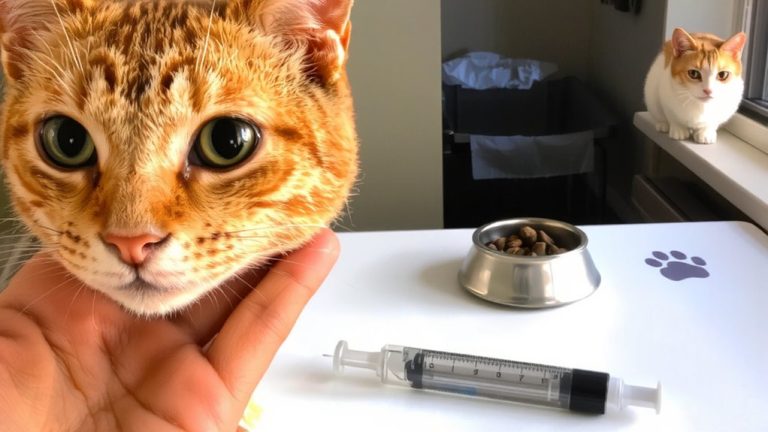
Getting the dose right means your guinea pig gets the full benefit of ivermectin without risking harm, and it starts with knowing their exact weight in grams. An accurate weight is essential-use a kitchen scale to measure in grams, especially since weight loss can quickly impact treatment safety. The correct Ivermectin dosage for treating guinea pigs with mites is 0.5 mg/kg, which equals 0.05 cc of Ivomec 1% solution per kilogram. For example, a 340-gram guinea pig (0.34 kg) needs just 0.017 cc. That’s one to two drops-one tiny amount. Always use a 1 cc syringe with a removable needle, drawing from the self-sealing rubber top of the Ivomec bottle while inverted for precision. If the volume doesn’t match expectations, don’t proceed. Safe dosing prevents toxicity and guarantees effective treatment for mites in guinea pigs.
Apply Ivermectin Behind the Ears and on Bare Skin
Now that you’ve measured the right dose using your guinea pig’s weight in grams and drawn up the correct amount of Ivomec 1% solution with a 1 cc syringe, it’s time to apply the medication exactly where it needs to go. Apply ivermectin directly behind the ears and on any bare skin or areas with hair loss-this guarantees the topical treatment contacts the skin, where mites live and breed. Part the fur gently so the solution reaches the skin, not just the coat. The ivermectin dose-0.05 cc per kg-is small but effective when applied correctly. This method helps treat mites like Trixacarus or Chirodiscoides that cause intense itching and scabbing. Use a clean technique: keep the bottle inverted and the needle off the skin to prevent contamination. Accurate placement maximizes absorption and guarantees the topical treatment works efficiently to relieve your pet and clear the infestation.
Treat All Guinea Pigs to Prevent Reinfestation
Since mites like Trixacarus caviae spread quickly and can hide in asymptomatic guinea pigs, you’ll want to treat every animal in the household at the same time-even if only one is scratching or showing scabs. Mites can cause severe itching and skin damage, and the presence of mites in one Guinea often means others are infected, too. Even if several guinea pigs seem healthy, they may carry mites and re-infect treated pets. Treating all guinea pigs at once stops this cycle. Use a vet-approved topical like ivermectin, dosing each Guinea precisely by weight in grams with a 1 cc syringe. Skipping one animal can cause ongoing transmission, as untreated pigs become reservoirs. This step guarantees the treatment works fully and protects every pig, because mites affect guinea pigs of all ages and conditions-prompt, full-group care is essential.
Repeat Treatment to Kill Newly Hatched Mites
Even if your guinea pigs seem better after the first dose, you’ll need to repeat the treatment in 7 to 10 days to catch mites that hatch from eggs later, because ivermectin doesn’t kill the eggs of Trixacarus caviae. These stubborn eggs survive the initial treatment, and without a second dose, newly hatched mites will keep causing itching and scratching. A repeat treatment within this window breaks the parasite’s life cycle, targeting mites just after they emerge. Since Trixacarus caviae eggs typically hatch around day 7, sticking to this schedule is critical. Even if symptoms have improved, skip the second round and you risk persistent infestation. All guinea pigs, including those with mild or no signs, must get the full two-dose protocol. This step isn’t optional-it guarantees complete mite eradication and long-term relief.
Heal Mite-Induced Sores and Crusty Skin
| Before Treatment | After Treatment |
|---|---|
| Open sores, severe itchiness that your guinea can’t ignore | Sores begin healing, coat starts regrowing |
| Weight loss, constant scratching | Improved appetite, more activity |
On a final note
Treat mites effectively by applying ivermectin exactly as your vet directs, usually every 7–10 days for three rounds. Dose by weight-typically 0.3 mg/kg-to guarantee safety and results. Cover bare skin and behind the ears thoroughly, and treat all guinea pigs, even if asymptomatic. Repeat doses kill hatching larvae, stopping reinfestation. Sores heal faster with clean bedding and proper nutrition. Real pet owners report smoother coats and less scratching within days, confirming ivermectin’s reliability.