Dwarf Hamster Habitat Setup: Bedding Depth, Wheel Size & More
Use a solid-walled enclosure like the Niteangel Vista-26.9” tall, 24” long, with top ventilation and space for 7–8 inches of bedding. Fill half the cage with 8–12 inches of dust-free paper bedding, ideally Small Pet Select or Carefresh, to support deep burrowing. Include a chew-proof, solid 20–23 cm wheel like Wodent Wheel, secure it well. Add Niteangel sandboxes with mixed substrates-Eco Earth, cork granules-for foraging, rotate weekly. Place two hides close together, connect with cork logs or buried tubes, and add sprouts like wheat grass. Position ventilation properly to control moisture, and discover how each zone boosts your hamster’s health and activity.
We are supported by our audience. When you purchase through links on our site, we may earn an affiliate commission, at no extra cost for you. Learn more. Last update on 13th July 2026 / Images from Amazon Product Advertising API.
Notable Insights
- Choose a solid-sided enclosure at least 24 in long with 12 in height and secure ventilation to prevent ammonia buildup.
- Provide 8–12 in of deep, unscented paper bedding to support natural burrowing behavior and tunnel stability.
- Use a solid, chew-proof exercise wheel 20–23 cm in diameter to protect your hamster’s spine and prevent injuries.
- Create digging and foraging zones with safe substrates and hidden food to encourage natural exploratory behaviors.
- Include multiple hides, tunnels, and live plants in separate areas to provide security and mental stimulation.
Choose the Right Enclosure for Dwarf Hamsters
While not all enclosures market themselves as hamster-proof, your dwarf hamster needs a home that’s both escape-resistant and spacious enough to mimic their natural habitat. A proper Dwarf Hamster enclosure should be at least 24 in long, 12 in wide, and 12 in high, with solid sides and a secure lid-wire cages often fail here. Glass tanks or solid-walled Hamster Cages like the BUCATSTATE or Prolee models work best, containing deep bedding and preventing escapes. The Niteangel Vista, at 26.9” H, offers excellent height and floor space, supporting 7–8 inches of burrowing depth. Ventilation at the top or sides is essential to avoid moisture and ammonia buildup, especially with deep bedding. A well-ventilated, roomy hamster’s enclosure supports natural behaviors, keeping your dwarf hamster healthy, active, and safe.
Provide Deep, Safe Bedding for Dwarf Hamster Burrowing
You’ll want to give your dwarf hamster plenty of room to dig, so aim for a burrowing depth of at least 8 inches (20 cm), with 12 inches (30 cm) being ideal to support natural tunneling behavior and reduce stress. Dwarf hamsters thrive in a deep, safe hamster habitat that mimics their wild environment. Use paper bedding like Small Pet Select or Carefresh-this small animal bedding is unscented, dust-free, and holds tunnel structure well. Avoid aspen or hemp as primary substrates since they collapse easily; if used, mix them sparingly with paper bedding, keeping paper the dominant layer. For best results, pair deep paper bedding with the Niteangel Vista cage, which supports 7–8 inches of substrate while offering great ventilation and floor space. Add coco peat or cork granules in acrylic digging zones to enrich the environment. This layered approach boosts exploration and satisfies your dwarf hamster’s instinct to burrow safely.
Select the Correct Exercise Wheel for Dwarf Hamsters
A deep, well-structured bedding layer gives your dwarf hamster the space to burrow and explore just like in the wild, and pairing that setup with proper exercise options keeps them physically and mentally healthy. When choosing an exercise wheel, remember that dwarf hamsters need a solid surface and enough space to run safely. Avoid wire or mesh wheels-they can injure hamsters’ feet and tails. Instead, go for a Chew Proof solid plastic or metal wheel with a diameter of 20–23 cm (8–9 inches). Smaller 10-inch wheels may seem big enough but often force uncomfortable hunching. Secure the wheel firmly to prevent tipping.
| Feature | Recommendation |
|---|---|
| Wheel Type | Solid surface only |
| Diameter | 20–23 cm (8–9 in) |
| Material | Chew Proof plastic or metal |
| Safety | No wire/mesh |
| Brand Examples | Wodent Wheel, Zany Zoo |
Set up Digging and Foraging Zones With Varied Substrates
Since dwarf hamsters are instinctive diggers and foragers, giving them the right materials to explore can make a big difference in their daily activity and mental well-being, so start by filling half your habitat with 7 to 8 inches of Eaton Hemp Bedding-it’s dust-free, soft on their paws, and holds tunnel structures surprisingly well. Use Niteangel acrylic sandboxes to section off areas with varied substrates like Zoo Med Eco Earth coconut fiber and cork granules, adding texture and complexity to digging zones. Mix in coconut coir for moisture control and natural feel, letting your hamster experience different digging depths and resistance. Sprinkle dwarf-specific seed mix or broken millet sprays into the bedding to spark foraging behavior. Rotate substrates weekly using Niteangel containers to keep things fresh and mentally stimulating. This routine supports hygiene while keeping your hamster engaged, curious, and active through natural digging and foraging play.
Add Hiding Spots and Tunnels for Security
While your dwarf hamster explores and burrows, having secure, well-placed hiding spots and tunnels can markedly reduce stress and support natural behaviors, so include at least two hideouts-like a coconut hide and a small cardboard box-in separate areas of the habitat to give your hamster choices for rest and retreat. Position hideouts close together, with minimal open space between, to boost your hamster’s sense of security. Use tunnels like cork logs or buried cardboard tubes to link key zones-wheel, food, hide-providing overhead cover that mimics natural burrows. Opt for grass or cork-based hides, such as the Hamiledyi Grass Tunnel or Zoo Med Cork, which are safe to chew and blend into the hamster’s habitat. Avoid ceramic hides on bedding; elevate them on a platform to prevent collapse. Fill hideouts with nesting material so your hamster can nest safely while staying protected.
Add Dwarf Hamster-Safe Plants Like Wheat Grass
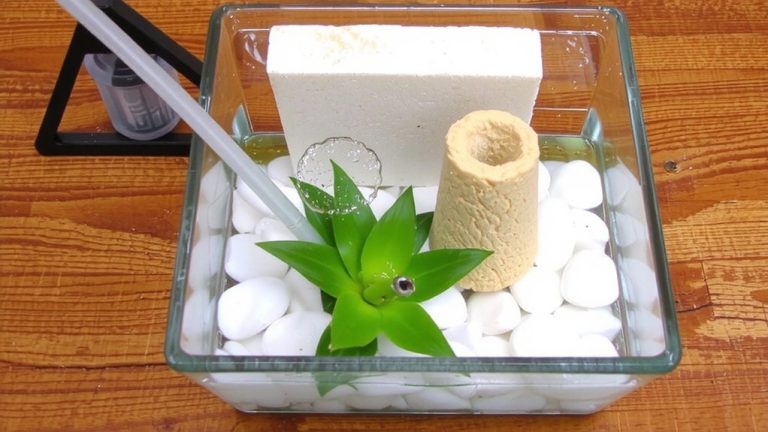
One safe, lively option you can add is wheat grass, commonly called cat grass, which most dwarf hamsters love to nibble and explore-this fresh plant supports natural foraging instincts while delivering mental stimulation and nutritional benefits. Hamsters enjoy the tender shoots, and this simple addition can greatly enhance your hamster care routine by helping to replicate a natural diet and environment. To grow it easily, use PetGreens kits, which reliably produce wheat grass and can be kept right in their packaging or potted inside the cage. Replace it every few days to help support freshness and prevent mold.
| Plant Type | Safety & Benefits |
|---|---|
| Wheat grass | Safe, nutritious, dwarf hamsters chew and explore |
| Oat sprouts | Encourages foraging, hamsters enjoy daily |
| Rye sprouts | Non-toxic, helps support dental health |
| Barley sprouts | Pesticide-free, adds variety to habitat |
Ensure Proper Ventilation and Cage Layout
When setting up your dwarf hamster’s home, getting the airflow right matters just as much as the layout, and the Niteangel Vista cage makes it easy with its open wire mesh top that spans the entire ceiling, allowing fresh air to circulate while keeping your hamster safely inside. Good ventilation prevents ammonia and moisture buildup, especially with deep, 8-inch bedding that traps odors. Position hideouts, tunnels, and the sand bath on stable platforms so air moves freely underneath. Avoid drafty spots-your Small Pet is sensitive to sudden temperature changes. Arrange hides, substrate zones, and a sturdy water bottle close together to reduce stress from open spaces in the 26.9-inch tall habitat. Smart layout choices help hamster owners maintain a healthy, engaging environment. Keep the cage away from vents, but guarantee consistent airflow to support your pet’s respiratory health.
On a final note
You’ve got everything set: a 450-square-inch bin or wire cage with 12-inch-high sides, 6+ inches of paper-based or aspen bedding for burrowing, and a solid 8-inch wheel to prevent back arching. You’ve added foraging zones with coconut fiber, hides, tubes, and safe wheat grass. Proper ventilation keeps air fresh, and the layout encourages natural behaviors. This setup supports your dwarf hamster’s health, activity, and instinctual needs-testers saw improved nighttime activity and nesting within days.