How to Prevent Ear Infections in Dogs With Excessive Hair Growth in Ear Canals
You should have a vet or groomer remove excess ear hair regularly, as it blocks airflow and traps moisture, wax, and debris. Clean your dog’s ears weekly with a vet-approved, low-viscosity cleaner containing chlorhexidine or ketoconazole, especially after swimming. Look for formulas with drying agents like boric acid to prevent bacterial and yeast growth. Watch for redness, odor, or head shaking-early signs of infection. You’ll learn the best techniques and product picks next.
We are supported by our audience. When you purchase through links on our site, we may earn an affiliate commission, at no extra cost for you. Learn more. Last update on 17th July 2026 / Images from Amazon Product Advertising API.
Notable Insights
- Regularly remove ear hair by a professional groomer or veterinarian to improve airflow and reduce debris buildup.
- Clean ears weekly with a vet-approved ear cleaner to prevent wax, moisture, and microbial accumulation.
- Use ear cleaners containing antimicrobial and antifungal ingredients like chlorhexidine or ketoconazole for targeted protection.
- Dry ears thoroughly after swimming or bathing to minimize moisture that promotes bacterial and yeast growth.
- Monitor for early signs of infection such as redness, odor, discharge, or head shaking, and seek veterinary care promptly.
Why Ear Hair Leads to Infections in Dogs
Your dog’s ear canal isn’t designed to handle excess hair, and when it builds up, it creates a perfect storm for infection. Excessive hair restricts airflow, causing trapped moisture and reduced airflow-ideal conditions for bacterial overgrowth and yeast overgrowth. Hair follicles in the ear canal trap wax and debris, fueling microbial proliferation. This often leads to otitis externa, especially in breeds like Poodles, Schnauzers, and Bichon Frises. Scratching from irritation can create micro-wounds, letting pathogens like Malassezia and Staphylococcus invade. Left unchecked, this cycle causes chronic inflammation, thickening the ear canal and hindering treatment. Regular inspection and maintenance prevent these issues before they start. You don’t need special tools-just routine care. Keeping the ear canal clear supports natural ventilation and reduces infection risk. It’s a small step with measurable impact on your dog’s long-term ear health.
Who Should Remove Ear Hair: Vet or Groomer?
Who should handle ear hair removal-your groomer or your vet? You should leave removing ear hair to a trained groomer or veterinarian to prevent ear infections. Both professionals know how to properly pluck ear hair without causing micro-wounds that invite bacteria or yeast. A groomer experienced in ear plucking can safely manage excessive hair growth in breeds like Poodles or Schnauzers, keeping ear canals clear. Regular maintenance every 4–6 weeks supports better air circulation and reduces trapped moisture. While your veterinarian may remove ear hair during exams-especially if they spot inflammation-they’ll use sterile tools for safety. Attempting ear plucking at home? Don’t. It’s too easy to cause trauma that leads to otitis externa. Whether you choose vet or groomer, always trust a pro to remove ear hair and keep your dog’s ears healthy.
How Often to Clean Hairy Ears to Prevent Infections
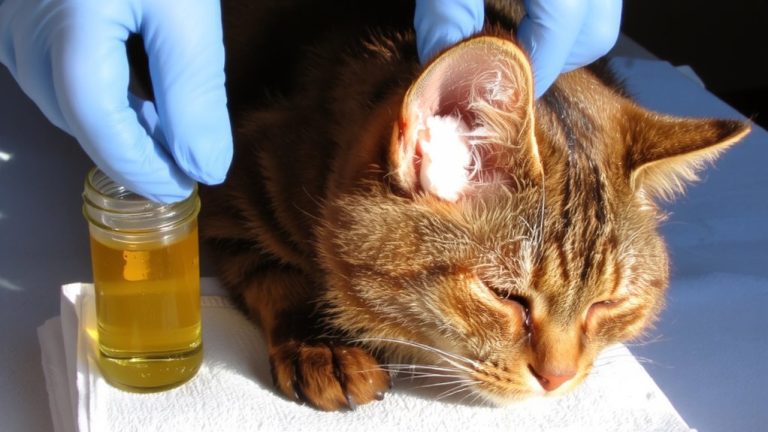
Typically, dogs with hairy ear canals need weekly cleanings using a vet-approved ear cleaner to prevent wax, moisture, and debris buildup that can lead to infections. You should clean your dog’s ears weekly-this regular ear cleaning routine is essential for dogs prone to ear infections often caused by trapped moisture and bacteria. Dogs with floppy ears or excessive hair in ear canals are at higher risk, so consistent weekly ear cleaning helps prevent moisture retention in the ear canal. After swimming or bathing, clean your dog’s ears right away, even if not due, to maintain dryness. Avoid over-cleaning, though-cleaning more than once a week can irritate the ear canal. Stick to a schedule, especially for breeds like Poodles and Schnauzers. Let regular ear cleaning become a habit: it’s a simple way to protect your dog’s hearing and comfort.
Best Ear Cleaners for Dogs With Hairy Canals
Moisture and debris are a dog’s worst enemies when it comes to ear health, especially for breeds with hairy canals like Poodles and Schnauzers. To prevent infections, use vet-approved ear cleaners that dry thoroughly and penetrate narrow ear canals. Look for products with antimicrobial and antifungal ingredients like chlorhexidine or ketoconazole to fight bacteria and yeast. Low-viscosity formulas work best to reach deep within ears packed with excessive ear hair. Use these ear cleaners weekly to flush wax and prevent buildup. Avoid hydrogen peroxide or vinegar unless directed-they can irritate sensitive ears.
| Feature | Why It Matters |
|---|---|
| Drying agents (boric acid, isopropyl alcohol) | Prevent moisture retention |
| Antimicrobial/antifungal ingredients | Reduce infection risk |
| Low viscosity | Penetrates hairy, narrow ear canals |
| Weekly use | Maintains dog ear health |
| Vet-approved formula | Guarantees safety and effectiveness |
Early Signs of Infection and When to See the Vet
You’ve picked a quality ear cleaner with drying agents and antimicrobial ingredients to manage moisture and keep your dog’s hairy ear canals clear, but even with regular weekly cleanings, infections can still take hold if early signs of infection are overlooked. Watch for redness, swelling, brown discharge, or a foul odor, which often signals yeast or bacteria buildup. Persistent head shaking, scratching at ears, or whimpering when touched means your dog is uncomfortable. If your dog shows reluctance to handle ears or develops a head tilt, that’s a red flag. These symptoms can worsen fast in hairy ears due to trapped debris and humidity. Don’t wait-schedule a vet visit. Ear cytology is a quick, painless test your vet can run to identify the exact cause. Knowing if it’s bacterial or fungal guarantees your dog gets the right treatment fast, preventing complications.
On a final note
Keep your dog’s ears healthy by plucking excess hair every 3–4 weeks with vet-approved tweezers or at grooming appointments, especially for breeds like Poodles or Bichons. Clean every 7–10 days using a vet-recommended solution like Virbac Epi-Otic, which dries quickly and reduces wax buildup. Watch for redness, odor, or head shaking-early signs of infection. When in doubt, call your vet right away to prevent complications.