How to Groom a Dog With Hypothyroidism and a Dull, Dry Coat
Brush your dog daily with a soft-bristle or slicker brush to distribute natural oils and boost skin circulation, focusing on tangles behind the ears, under legs, and hindquarters. Bathe every 4–6 weeks using fragrance-free oatmeal shampoo, then rinse with 3 tablespoons apple cider vinegar per liter of water to balance pH and add shine. You’ll discover even more ways to transform your dog’s coat and comfort just ahead.
We are supported by our audience. When you purchase through links on our site, we may earn an affiliate commission, at no extra cost for you. Learn more. Last update on 19th July 2026 / Images from Amazon Product Advertising API.
Notable Insights
- Brush daily with a soft-bristle brush to distribute natural oils and boost skin circulation without irritating sensitive skin.
- Bathe every 4–6 weeks using fragrance-free oatmeal shampoo and rinse with diluted apple cider vinegar to balance pH and add shine.
- Supplement with salmon oil rich in EPA and DHA, aiming for 25–40 mg per pound of body weight daily to support coat health.
- Apply warmed coconut oil 2–3 times weekly to hydrate dry fur and skin, avoiding inflamed or broken areas.
- Use vet-approved flea prevention and treat hypothyroidism with daily levothyroxine while monitoring thyroid hormone levels regularly.
Brush Your Hypothyroid Dog Daily for Shine and Circulation
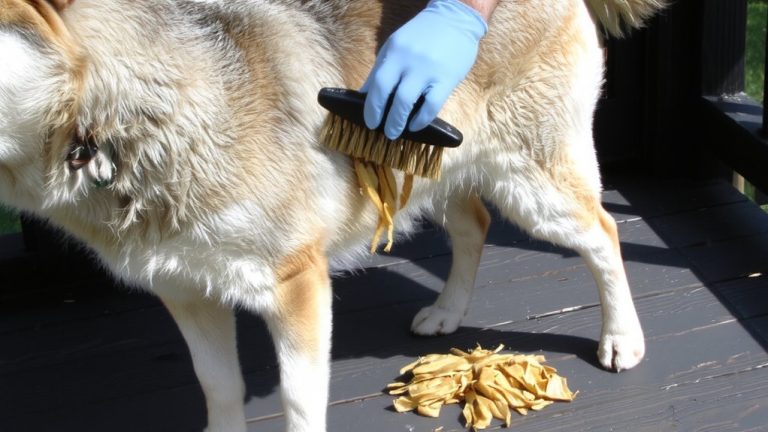
You’ll want to brush your hypothyroid dog every day, using a soft-bristle or slicker brush, to keep its coat from getting dull and brittle while boosting circulation to the skin. Daily brushing helps distribute natural oils, critical when your dog’s thyroid hormone levels are low, improving skin and coat liveliness. Hypothyroidism often leads to dry skin and a dull coat, so regular grooming isn’t just cosmetic-it supports overall coat health. Focus on tangles behind the ears, under legs, and hindquarters, where matting happens fastest. Use gentle, long strokes to avoid irritating thin, sensitive skin. Brushing daily doesn’t just remove loose fur, it enhances blood flow and soothes your dog. Think of it as therapy-for you and your pet. Consistent routine builds trust, eases anxiety, and makes coat checks easier. When you brush your dog daily, you’re not just managing symptoms-you’re actively fighting the effects of hypothyroidism with simple, effective care.
Bathe With Oatmeal Shampoo and ACV Rinse to Soothe Dry Skin
A gentle bathing routine can make a real difference for dogs struggling with dry, irritated skin from hypothyroidism. Bathe your dog every 4–6 weeks using a vet-approved oatmeal shampoo to soothe itchy skin and support the coat without stripping natural oils. These shampoos are free of fragrances and harsh chemicals, making them ideal for dogs with hypothyroidism in dogs that often cause dry skin. After shampooing, rinse with a solution of 3 tablespoons apple cider vinegar per 1 liter of water-it balances skin pH, adds shine, and leverages apple cider vinegar’s natural antibacterial properties to protect compromised skin. Don’t over-bathe, though; too frequent washing can worsen dry skin. Stick to once a month unless your vet recommends more. This simple step helps keep your dog’s coat healthy and their skin calm, comfortable, and hydrated.
Nourish Skin With Omega-3s and Vet-Approved Supplements
Keeping your dog’s skin soothed through gentle bathing sets the stage for deeper support from within. You can combat flaky skin and boost coat shine by adding omega-3 fatty acids to their diet. Salmon oil is a top choice, offering up to 1,200 mg of EPA and DHA per teaspoon, which enhances skin hydration and supports thyroid function. Aim for 25–40 mg of EPA and DHA combined per pound of body weight daily. Always pick vet-approved supplements to avoid digestive issues or medication interference. Pairing omega-3s with zinc and biotin helps repair the skin barrier and strengthens keratin production.
| Nutrient | Benefit for Hypothyroid Dogs |
|---|---|
| EPA and DHA | Reduces inflammation, improves hydration |
| Biotin | Promotes coat shine, supports skin repair |
Moisturize Coat With Coconut Oil and Natural Topicals
How do you add extra hydration to your dog’s coat without worsening skin sensitivity? Use coconut oil to moisturize coat and support skin health safely. Warm a small amount and apply it sparingly with a soft brush, letting it absorb fully to avoid greasiness. Coconut oil contains medium-chain fatty acids, like lauric acid, which improve your dog’s coat condition and promote a shiny coat while reducing flakiness. Apply 2–3 times weekly, leaving it on for at least 30 minutes before towel-drying. Avoid using it on inflamed or broken skin, as it may trap bacteria and irritate skin in dogs. Internally, a vet may approve adding ¼ to ½ tsp per 10 lbs daily to deliver essential nutrients and omega-6 fatty acids that support skin and maintain healthy skin from within.
Stop Fleas That Worsen Hypothyroid Skin Damage
Because your dog’s hypothyroidism already weakens their skin barrier, flea bites can quickly escalate into intense itching, redness, and secondary infections due to flea allergy dermatitis. Flea infestations worsen existing skin damage and can turn a mild dry coat into a painful, inflamed condition. Prevent this by using vet-approved flea preventatives that are safe for dogs with hypothyroidism-avoid harsh chemicals that may disrupt endocrine function. Complement with natural flea deterrents like diluted apple cider vinegar sprays or herbal rinses free of essential oils. Regular grooming with a fine-tooth flea comb helps catch fleas early, while washing bedding at 60°C weekly reduces reinfestation. These steps curb flea allergy dermatitis and lower the risk of bacterial infections, keeping your dog’s skin stable and more resilient.
Adjust Diet to Support Thyroid and Skin Healing
A strong diet is your first line of defense when managing your dog’s hypothyroidism, directly influencing thyroid function and skin recovery. Feed a high-quality, nutrient-dense food that supports your dog’s overall health with a balanced diet rich in digestible proteins and healthy fats. Make sure your dog gets the nutrients needed, including zinc from beef or turkey, and biotin from cooked liver-15–30 mcg/lb daily helps brittle fur. Add omega-3 and omega-6 fatty acids, like 1,000 mg EPA/DHA per 20 lbs from salmon oil, to boost skin health and coat type. Include natural iodine sources such as kelp or fish, but avoid excess to protect thyroid balance. Every dog is different, so consult your vet before making major changes. A well-rounded approach to food supports healing from the inside out.
Work With Your Vet on Medication and Skin Testing
You’ve made important strides by adjusting your dog’s diet to support thyroid function and skin healing, but managing hypothyroidism fully means teaming up with your vet on medication and targeted skin testing. Hypothyroidism affects your dog’s thyroid gland, often causing weight gain, hair loss, and skin irritation. Administer levothyroxine daily on an empty stomach for best absorption, and schedule blood tests every 6–12 months to monitor T4, free T4, and TSH levels. Include TgAA testing to check for autoimmune thyroiditis. Rule out bacterial or fungal infections or food allergies with skin scrapings and blood work, as they can hinder immune function. If you notice worsening symptoms, contact your vet-they may adjust dosage or recommend dietary supplements. Consistent care keeps your dog’s coat and overall health on track.
On a final note
You’ve got this: brush daily with a slicker brush to boost shine and circulation, bathe every 2–4 weeks using colloidal oatmeal shampoo and a 1:4 ACV rinse, then apply a dime-sized amount of virgin coconut oil to hydrate. Feed omega-3s-100 mg EPA/DHA per 10 lbs daily-and check with your vet on levothyroxine levels. Use flea preventives monthly, like NexGard, and stick to vet-approved, limited-ingredient diets for steady healing.