Step-By-Step Guide to Cleaning a Dog’s Ears With a Bulb Syringe
Squeeze a soft bulb syringe filled with room-temperature, vet-approved cleaner like Epi-Otic at the ear opening, never inserting into the canal. Gently massage the base for 30 seconds, let your dog shake, then wipe away debris with cotton balls. Use low pressure to flush safely and prevent wax buildup. Always skip cotton swabs and stop if your dog shows pain. You’ll learn the best routine to prevent infections and keep ears healthy with consistent, gentle care.
We are supported by our audience. When you purchase through links on our site, we may earn an affiliate commission, at no extra cost for you. Learn more. Last update on 19th July 2026 / Images from Amazon Product Advertising API.
Notable Insights
- Use a soft bulb syringe to gently squeeze vet-approved solution at the base of the ear without inserting into the canal.
- Apply low pressure to flush debris, allowing the dog to shake its head to remove loosened buildup.
- Massage the ear base for 30 seconds to distribute the solution and break down wax or debris.
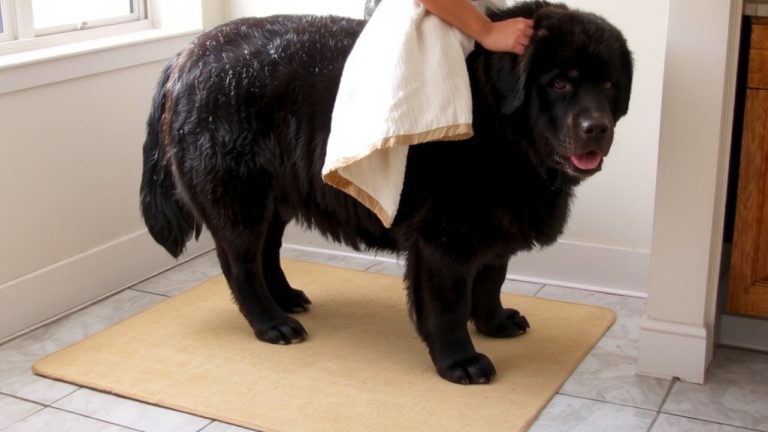
- After shaking, drape a towel over the dog’s head to catch fluid and wipe outer ear with cotton balls.
- Reward calm behavior with treats and follow up with a drying solution if recommended by your vet.
Is a Bulb Syringe Safe for Your Dog’s Ears?
How do you clean your dog’s ears safely without risking damage? A bulb syringe is a safe, gentle tool when used correctly. You’ll use it to flush the ear canal with sterile saline or vet-approved ear cleaning solution-never insert it into the dog’s ear canal. Squeeze gently at the base of the ear to let fluid flow in and loosen excess wax. The bulb syringe’s low pressure helps you avoid using force that could harm sensitive tissue. Always use room temperature solution; cold liquids can trigger dizziness, especially if your dog seems stressed. Don’t seal the syringe tip tightly-that can create a vacuum and cause discomfort. Testers found this method effectively flushes debris without irritation. Just stay calm, move slowly, and stop if your dog seems stressed. With proper use, a bulb syringe supports healthy ears between vet visits.
Supplies for Safe At-Home Ear Cleaning
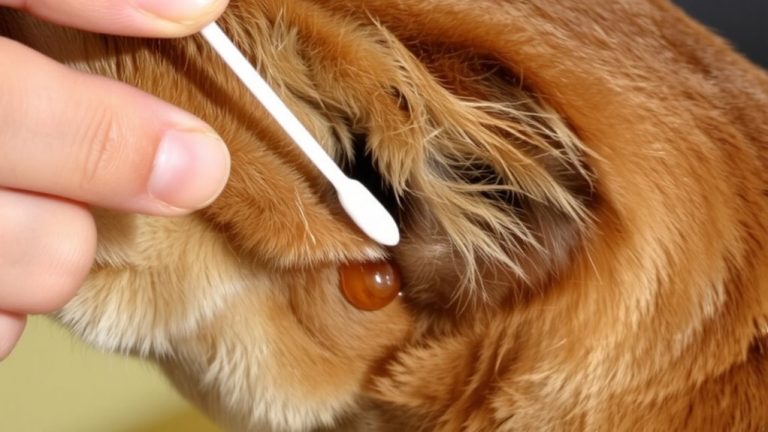
A well-stocked ear care kit makes all the difference when cleaning your dog’s ears at home. You’ll need a veterinarian-recommended Ear Cleaner like Epi-Otic or Zymox, which uses boric acid to help prevent yeast and bacteria. Use a soft bulb syringe for safe, controlled delivery-never insert it into the ear canal. Apply a small amount of solution, then gently massage the base of the ear to loosen wax and debris. Let your dog shake its head, then drape a towel over the dog’s head to catch the mess. Use a cotton ball or pad to wipe the outer ear; never use cotton swabs. Have treats ready to reward calm behavior. This routine supports effective regular cleaning and helps remove the excess buildup before it causes problems.
How to Clean Your Dog’s Ears Without a Syringe
While you don’t need a bulb syringe to keep your dog’s ears clean, using the right technique and a vet-approved ear cleaner like Epi-Otic or Zymox makes all the difference. During cleaning your dogs ears, apply the solution directly into the ear canal until fluid pools at the opening. Massage the base for 30 seconds to loosen debris, then let your dog shake to expel buildup. Use a cotton ball or gauze to wipe away residue-never insert anything deeper than ½ inch into the ear canal. To help prevent ear infections and excessive wax buildup, make sure you complete the full cleaning process weekly or after swimming. For maintenance, use a vinegar rinse (1/3 apple cider vinegar, 2/3 water) with a dropper.
| Step | Action | Purpose |
|---|---|---|
| 1 | Apply vet-approved solution | Loosen debris |
| 2 | Massage ear base | Reach deep ear canal |
| 3 | Let dog shake | Expel loosened wax |
| 4 | Wipe with cotton | Clean outer ear |
| 5 | Dry with vinegar rinse | Help prevent infections |
When to Call the Vet After Cleaning
If your dog acts disoriented after an ear cleaning, don’t wait-contact your veterinarian right away, especially if you notice a persistent head tilt, uncoordinated circling, or loss of balance, since these can signal vestibular dysfunction linked to inner ear irritation or damage; it’s rare but serious, and shows up more often when solutions are overused or pushed too deep, particularly in breeds sensitive to pressure changes like spaniels or toy breeds. Call the vet immediately if you see blood, purulent discharge, or foul odor, which suggest tissue injury or infection. Hearing loss or signs of pain-like vocalizing, head shyness, or not eating-are red flags, too. Also seek help if Horner’s syndrome appears (drooping eyelid, constricted pupil, sunken eye), as it can follow deep flushing. These symptoms may point to middle ear complications needing prompt care.
On a final note
You’ve got this-cleaning your dog’s ears with a bulb syringe is safe when done gently, using a vet-approved solution like Epi-Otic or Douxo. Squeeze the bulb softly, flush the ear canal, then massage the base. Wipe away debris with a cotton ball, never a Q-tip. Do it weekly for floppy-eared breeds, monthly for others. If your dog shakes their head violently or shows redness, call your vet.