Step-By-Step Nail Grinding Technique for Senior Dogs With Overgrown Quick
You’ll want to use your Dremel 3000 at speed 5 or 6 with a diamond-coated metal tip for better control and less heat. Hold it at a 45-degree angle and grind each nail in 10–15 second pulses, cooling the tip between passes. Watch for a small whitish dot in the center-that’s your signal to stop. Overgrown quicks mean you can’t shorten too much at once, so plan for 2–4 sessions spaced 10–14 days apart; this gives the quick time to recede safely while improving your dog’s comfort with each pass, and there’s more to get right with timing and technique.
We are supported by our audience. When you purchase through links on our site, we may earn an affiliate commission, at no extra cost for you. Learn more. Last update on 19th July 2026 / Images from Amazon Product Advertising API.
Notable Insights
- Use a Dremel 3000 at speed 5–6 with a diamond-coated metal tip for safe, precise grinding of thick, overgrown nails.
- Begin grinding at a 45-degree angle, focusing on the top and sides to gradually reduce nail length without overheating.
- Work in 10–15 second pulses, stopping if you see a small whitish or translucent circle indicating proximity to the quick.
- For dark nails, watch for the point where the outer shell curves inward at the base, signaling the quick’s location.
- Schedule follow-up sessions every 10–14 days to allow the quick to recede and safely shorten nails over 2–4 sessions.
Why Senior Dogs Need Gentle Nail Grinding
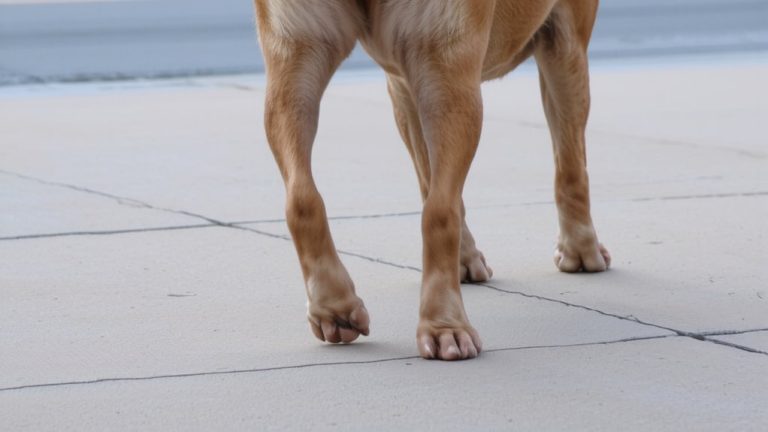
While your senior dog may not be as active as they once were, their nail care needs are more important than ever, especially since overgrown quicks and thickened nails become common with age. For senior dogs, aggressive clipping risks pain and bleeding because the overgrown quick hasn’t had time to recede. That’s where nail grinding with a Dremel tool makes a difference-running at low speeds (5–6 on a 10-speed model) prevents cracks in brittle nails. Smaller metal tips offer finer control, reducing discomfort for dogs with mobility issues. Regular, gentle sessions allow the quick to recede slowly, usually over 10–14 days, so you can shorten nails safely. Unlike clipping, grinding smooths edges and avoids pressure points, helping older dogs walk comfortably. A consistent nail grinding routine isn’t just preventive- it supports long-term joint health, stability, and pain-free movement.
How to Spot the Quick in Overgrown Nails?
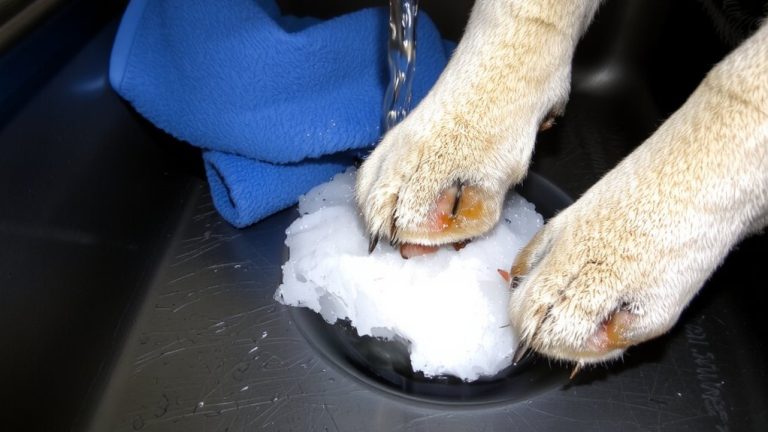
You’ve already seen how gentle nail grinding supports your senior dog’s mobility and joint health, especially when aggressive clipping risks hitting the quick. Now, let’s talk about spotting the quick in your overgrown dog’s nails. In light-colored dog nails, look for a pinkish core-that’s the quick, extending further in overgrown nails. For dark overgrown dog nails, the quick isn’t visible, so watch where the protective outer shell curves inward at the base of the tip. The outer nail has a thick, tapered keratin layer hiding the soft inner part. As you grind, a small white or translucent circle in the center means you’re closer to the quick. Severely overgrown nails may have the quick running up to two-thirds the length, so trim little by little every 10–14 days. This helps the quick recede safely while preserving your dog’s overgrown nail health.
Best Tools for Grinding Senior Dogs’ Nails
A reliable grinder makes all the difference when tackling the thick, overgrown nails common in senior dogs. For best results, use a Dremel 3000 with variable speed control-keep it at 6/10 to safely shape tough overgrown nails without overheating. Pair it with a diamond-coated grinding tip for precision and reduced heat buildup during longer sessions. Senior dogs often have sensitive hearing or anxiety, so a quiet motor and low vibration are essential for a stress-free experience. Choose a nail grinder with an ergonomic grip and use a non-slip mat for steady handling. Always keep styptic powder nearby; brittle nails in older dogs are prone to micro-cracks near the quick. Testers consistently find this setup offers control, safety, and comfort-key for maintaining healthy paw health in aging pets.
How to Grind Nails With a Dremel: Step by Step
If your senior dog’s nails have grown thick and curved over time, using a Dremel 3000 at speed 5 or 6 with a metal tip attachment gives you the control needed to safely shape them without overheating or risking quick exposure. Start at a 45-degree angle, thinning the top and sides of the overgrown nail first to encourage quick recession over 10–14 days. Focus on removing small bits of the hard outer shell, grinding in 10–15 second pulses to prevent heat buildup. Stop when you see a small whitish dot-the soft inner nail-indicating you’re near the quick. Every dog responds differently, so go slow. Most pet owners find their dog tolerates grinding better than Nail Trimming with clippers. With consistent sessions, your dog’s nail length improves, making walks more comfortable. Even professional dog groomers prefer this method for aging dogs.
What Happens After the First Grind?
Now that you’ve completed the first grind using your Dremel 3000 at speed 5 or 6 with the metal tip attachment, your senior dog’s nails are on the path to healthier lengths. The quick begins to recede within 10–14 days, so schedule your next session as soon as possible to keep progress steady. The inner nail hardens in 3–5 days, reducing sensitivity and making it safer to trim your dog’s nails closer to the quick without pain. Avoid nail clippers for now-they can split thick, overgrown nails. Most dogs show improved gait and less pressure on the pup’s paws within two weeks. You’ll likely need 2–4 sessions to fully shorten the quick. Keeping each dog’s paw balanced supports long-term health and happiness. Stay consistent, and you’ll see real results in how your dog moves and rests.
On a final note
You’ve got this-regular Dremel grinding every 2–3 weeks keeps senior dog nails at 2–3 mm past the quick, reducing joint strain and slips. Use the Dremel PawControl 200 with guard, grinding just 15–30 seconds per nail at low speed. Testers report calmer sessions with treats and breaks, especially on dogs with dark nails. Consistent, gentle filing supports mobility and paw health, making walks more comfortable for aging pets.