Adapting Techniques for Senior Dogs With Cognitive Decline
Watch for early signs like disorientation, nighttime restlessness, or house soiling-14–22.5% of dogs over 8 are affected. Use the DISHAA checklist to track changes, then build a stable routine with set meal, walk, and bedtimes. Keep furniture in place, add nightlights, and use nonslip mats. Feed brain-boosting diets like Hill’s Aging Brain or Purina Bright Mind, add omega-3s and MCTs, and consider selegiline (0.5–1 mg/kg daily) under vet guidance-70% show improvement in weeks. Puzzle toys, snuffle mats, and short training sessions strengthen cognition. Rotate enrichment weekly for continued engagement, and stick to vet checkups every six months with bloodwork and dose reviews. You’ll find proven ways to support your dog’s mind every step of the way.
We are supported by our audience. When you purchase through links on our site, we may earn an affiliate commission, at no extra cost for you. Learn more. Last update on 19th July 2026 / Images from Amazon Product Advertising API.
Notable Insights
- Maintain a consistent daily routine to reduce anxiety and confusion in senior dogs with cognitive decline.
- Modify the home with nonslip mats, nightlights, and baby gates to enhance safety and mobility.
- Use the DISHAA checklist to monitor symptoms like disorientation, sleep disruptions, and house soiling early.
- Engage in daily mental enrichment through puzzle toys, snuffle mats, and short training sessions.
- Support brain health with a diet rich in antioxidants, omega-3s, MCTs, and veterinarian-approved supplements or medications.
Spot Early Signs of Cognitive Decline in Senior Dogs
A good way to catch cognitive decline early in your senior dog is knowing what to watch for-because spotting subtle changes now can make a big difference later. Around 14–22.5% of dogs over 8 experience age-related cognitive issues, often missed until symptoms worsen. Use the DISHAA checklist to monitor key signs: Disorientation (your dog gets stuck in corners or seems lost at home), Interaction changes (less interest in family or pets), Sleep-wake cycle disruptions (night waking, pacing, or whining), House soiling (accidents despite prior training), Activity shifts (wandering or decreased play), and Anxiety (increased clinginess or fear). Senior dogs may score 1–3 on DISHAA’s disorientation scale early on. You might notice slower command response, social withdrawal, or nighttime restlessness first. Catching these early signals helps you and your vet act faster, supporting your dog’s brain health with targeted nutrition, vet-approved supplements, and environmental tweaks that match their changing needs.
Create a Stable Routine for Dogs With Cognitive Decline
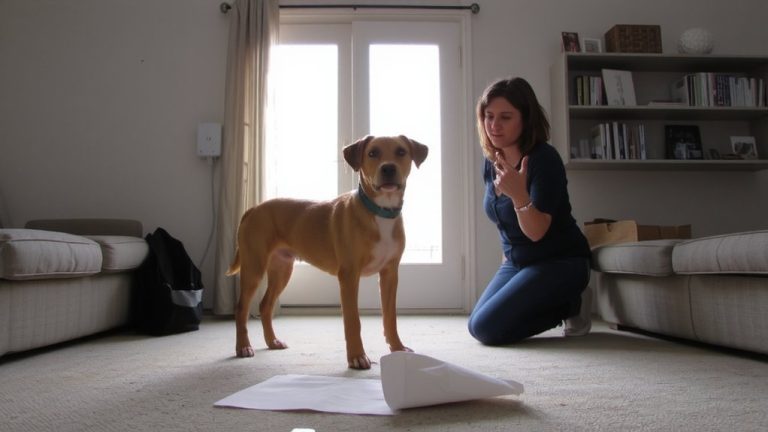
Now that you’re familiar with the early signs of cognitive decline, it’s time to focus on what you can do at home to support your dog’s well-being-starting with a predictable daily routine. For a senior dog with cognitive dysfunction, a stable routine reduces anxiety and improves overall security. Consistency in meal times, walks, and bedtime helps minimize confusion. Keep essentials like food bowls, beds, and litter boxes in fixed spots to prevent disorientation. Even minor changes-like shifting furniture-can worsen symptoms. Use nightlights in key areas, since up to 60% of affected dogs experience nighttime restlessness. Daily short training sessions reinforce mental function and strengthen your bond. Here’s how to structure key parts of your day:
| Activity | Recommendation |
|---|---|
| Feeding | Same time, same location daily |
| Walking | Short, consistent routes |
| Sleep schedule | Fixed bedtime, quiet space |
A stable routine makes a real difference for dogs with cognitive dysfunction.
Make the House Safer With Simple Modifications
You can greatly reduce the risks your senior dog faces at home by making a few straightforward modifications that address both cognitive decline and physical limitations. Install nonslip rugs or rubber-backed mats on hardwood or tile floors to prevent slips, especially in high-traffic areas where older dogs often walk. Use baby gates to block stairways or balconies-this keeps disoriented senior dogs safe during moments of confusion. Place nightlights with soft illumination (around 5 watts) in hallways and near food bowls to help dogs with cognitive dysfunction navigate at night. Raise food and water bowls 6–10 inches, depending on shoulder height, and pair them with non-slip silicone mats. Secure loose cords and remove small objects within reach, as cognitive-affected dogs often explore orally, increasing accident risks.
Engage Their Mind With Enrichment Games
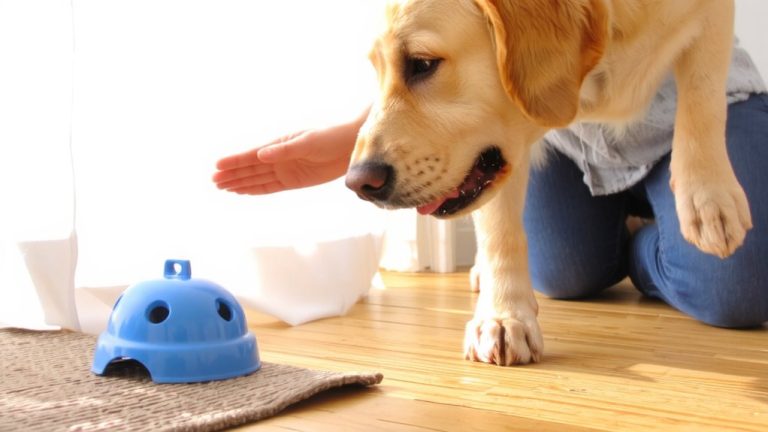
Keeping your senior dog mentally sharp is just as important as safeguarding their physical environment, so after securing slippery floors and blocking off stairways, focus shifts to daily enrichment that challenges their brain. Simple changes like rotating puzzle toys weekly keep mental stimulation effective and engaging. Short training sessions, hide-and-seek games, and scent-based activities all support cognitive function.
| Activity | Benefit |
|---|---|
| Puzzle toys | Boost problem-solving and slow cognitive decline |
| Snuffle mats | Encourage natural foraging and activate the olfactory system |
| Hide-and-seek | Strengthen memory and provide 5–10 minutes of focused enrichment |
| Trick training | Reinforce neural pathways with positive reinforcement |
Use food-dispensing games and novel enrichment daily-consistency matters. Mental stimulation isn’t just fun; it’s foundational care for senior dogs showing early signs of confusion or disorientation.
Feed Brain-Boosting Diets and Supplements
While your senior dog’s activity level may have slowed, their brain still thrives on the right fuel, and feeding a diet rich in antioxidants, omega-3 fatty acids, and medium-chain triglycerides (MCTs) can make a measurable difference in mental clarity. These nutrients support brain health by reducing oxidative stress and boosting neuronal function. Consider a specially formulated prescription diet like Hill’s Science Diet Aging Brain or Purina Pro Plan Bright Mind, packed with vitamin E, selenium, and carotenoids proven to enhance cognitive performance. You can also add supplements: SAMe, alpha-lipoic acid, and phosphatidylserine help slow decline, while 50–100 mg/kg/day of L-carnitine improves mitochondrial energy in brain cells. Pair this with 400–800 IU vitamin E and 250–1,000 mg vitamin C daily for antioxidant synergy. These fatty acids and targeted nutrients work together to keep your dog’s mind sharper, longer.
Get Vet-Approved CDS Treatments and Monitoring
Though canine cognitive dysfunction syndrome (CDS) can’t be reversed, starting vet-approved treatments early makes a meaningful difference in your dog’s daily function and quality of life. Your vet may prescribe selegiline (Anipryl), the only FDA-approved medication for CDS, given at 0.5–1 mg/kg once daily in the morning; up to 70% of dogs show improvement within 3–6 weeks. You’ll need regular veterinary monitoring-every 6 months-to check progress, adjust the selegiline dose after 30 days if needed, and rule out issues like UTIs or arthritis. Anti-anxiety medications like trazodone, alprazolam, or fluoxetine (Reconcile) are often used off-label alongside selegiline to ease nighttime restlessness, pacing, or increased anxiety. A full workup, including bloodwork and neuro exams, helps confirm CDS and exclude mimics like brain tumors.
Build a Daily Care Plan for Cognitive Support
If you want to support your senior dog’s cognitive health effectively, creating a structured daily care plan is one of the most impactful steps you can take. Stick to consistent times for feeding, walks, and bedtime to minimize confusion linked to cognitive dysfunction syndrome. Include short daily activities like 5–10 minute scent games or food puzzle toys to boost mental sharpness without tiring your dog. Prioritize environmental enrichment-use nightlights, non-slip rugs, and elevated bowls to help your dog navigate safely. Schedule vet visits every six months to rule out issues like UTIs or arthritis that worsen cognitive symptoms. Support brain health with vet-approved selegiline (0.5–1 mg/kg once daily) and antioxidant-rich, senior-specific diets. These daily activities and adaptations make a measurable difference in maintaining your dog’s well-being.
On a final note
You’ve got this. Spot early signs like confusion or accidents, then stick to a consistent routine using set feeding times and short, calm walks. Swap slippery floors for non-slip rugs, plug in a pheromone diffuser, and use puzzle toys like the Outward Hound Puzzle Spinner. Feed Hill’s b/d diet or Purina NeuroCare, proven to support brain function. Vet-approved treatments like selegiline, combined with daily enrichment and checkups, make a real difference in your dog’s quality of life.