Symptoms and Care for Cats With Feline Acromegaly
If your cat has unexplained weight gain, increased thirst, or persistent hunger despite high insulin doses, acromegaly could be the cause. Look for enlarged paws, jaw changes, or organomegaly on ultrasound. Test IGF-1 levels and consider a CT scan for confirmation. Treat with stereotactic radiation (50–92% improve diabetes control) or fractionated therapy, and manage with long-term insulin glargine, often 2–4 units per dose, twice daily. Early action supports better outcomes.
We are supported by our audience. When you purchase through links on our site, we may earn an affiliate commission, at no extra cost for you. Learn more. Last update on 19th July 2026 / Images from Amazon Product Advertising API.
Notable Insights
- Excessive thirst, urination, and persistent hunger despite insulin therapy are common symptoms in cats with feline acromegaly.
- Physical changes like enlarged paws, jaw, or tongue occur due to soft tissue and bone overgrowth from excess growth hormone.
- Acromegaly causes insulin resistance, leading to poorly controlled diabetes mellitus that often requires high insulin doses.
- Diagnosis involves evaluating insulin resistance, elevated IGF-1 levels, and imaging like CT scans to detect pituitary tumors.
- Stereotactic radiation therapy is the most effective treatment, improving acromegaly symptoms and diabetes control in most cats.
Causes of Feline Acromegaly
While it might not be something you think about every day, the root of feline acromegaly almost always traces back to a tumor in your cat’s pituitary gland. In cats, this endocrine disorder stems from pituitary tumors in the anterior pituitary, causing excessive production of growth hormone. That surge drives growth hormone secretion, prompting the liver to release insulin-like growth factor 1, which fuels the body’s anabolic changes. You won’t see these shifts overnight-pituitary tumors grow slowly, often hiding for months. Over time, the excessive production of growth hormone leads to insulin resistance, complicating metabolic health. There’s no other known cause for this growth hormone secretion issue in cats. Recognizing acromegaly early means better support for your cat’s long-term wellness. While it’s a progressive condition, understanding its source helps you make informed care choices aligned with veterinary guidance.
Symptoms of Feline Acromegaly
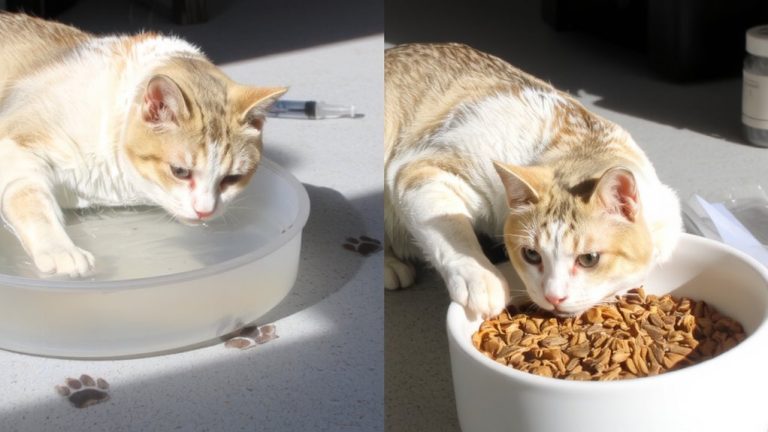
Because feline acromegaly often starts subtly, you might first notice your cat drinking more water, peeing more often, or always seeming hungry-signs that look like uncontrolled diabetes despite insulin therapy. This resistance is a key clue of feline acromegaly, driven by excess growth hormone secretion from a pituitary adenoma. Unlike typical diabetic cats, your cat may show a dramatic increase in lean body mass, with generalized weight gain without muscle wasting. You may see physical changes like enlargement of the jaw, paws, or tongue due to increased soft tissue enlargement. Over time, clinical signs of acromegaly include cardiomegaly and azotemia, as growth hormone affects the heart and kidneys. Some cats become lethargic or develop neurological issues from tumor pressure. Early recognition of these signs-especially uncontrolled diabetes mellitus paired with unexpected muscle growth-helps you seek care before complications like hypertrophic cardiomyopathy worsen.
Diagnosing Feline Acromegaly
Spotting the signs of feline acromegaly early-like increased thirst, hunger, and unexplained muscle gain-can give you a head start on getting your cat the right care, especially if diabetes treatments aren’t working as expected. In diabetic cats aged 8–14, especially neutered males, persistent insulin resistance despite high serum insulin levels raises suspicion for feline acromegaly. Though direct growth hormone testing isn’t available, a diagnosis is supported by elevated IGF-1 levels, which reflect excess hormone activity. Clinical signs like organomegaly, facial bone changes, and azotemia further support the diagnosis. A CT scan is currently the best way to confirm a pituitary tumor. Unfortunately, many cases are only confirmed postmortem due to limited access to IGF-1 testing and imaging. Early detection improves outcomes, so discuss acromegaly testing if your diabetic cat isn’t responding to insulin.
Why Acromegaly Causes Insulin Resistance?
When your cat has acromegaly, the body’s response to insulin gets thrown off balance, and here’s why: excess growth hormone-also called somatotropin-blocks insulin’s action in tissues like muscle and fat, making it harder for glucose to be absorbed. This leads to insulin resistance, a hallmark of the condition. The growth hormone also boosts liver production of insulin-like growth factor 1 (IGF-1), which further reduces insulin sensitivity. Over time, high levels of growth hormone cause downregulation of insulin receptors, limiting glucose uptake even when endogenous insulin is present. As a result, persistent hyperglycemia develops, often leading to diabetes mellitus. Notably, despite severe hyperglycemia, ketosis is rare because growth hormone impairs glucose utilization without markedly triggering lipolysis. IGF-1 and disrupted insulin signaling together create a cycle that makes managing blood sugar a challenge.
Treating Feline Acromegaly
Treating feline acromegaly starts with tackling the underlying tumor that’s driving excess growth hormone, since ignoring it lets insulin resistance spiral despite aggressive diabetes management. SRT is the top choice, shrinking tumor size and improving clinical signs in at least 2/3 of cats, with 50–92% seeing better diabetes control after a single session. If SRT isn’t available, fractionated radiation therapy over 15–20 days can gradually reduce insulin resistance. Hypophysectomy may resolve diabetes and clinical signs but carries risks like transient diabetes insipidus and limited access. Medical options like dopamine agonists or somatostatin analogues (e.g., pasireotide) can lower growth hormone but aren’t widely used and need specialist oversight. Even after radiation, most cats still require high-dose insulin long-term to maintain diabetes control due to persistent insulin resistance.
Prognosis and Long-Term Management of Feline Acromegaly
Even with treatment, managing feline acromegaly long-term means facing progressive organ damage and complex health challenges, since the disease often advances despite intervention. The prognosis is generally poor, with many cats developing congestive heart failure, renal issues, or worsening end-organ damage. Azotemia develop late but affects around half of cases, while hypertrophic cardiomyopathy and insulin resistance require constant monitoring. The median survival time is about 20 months, though longterm prognosis can improve with stereotactic radiation therapy (SRT), raising average survival to 25 months. SRT slows disease progression but tumors shrink slowly-over up to three years-so lifelong insulin therapy and cardiac support remain essential. Even then, irreversible damage often leads to euthanasia between 4 and 42 months. Regular checkups, proper nutrition, and consistent treatment help maintain quality of life as you manage this progressive condition.
On a final note
You’ll notice changes in your cat’s behavior, appetite, and body shape if acromegaly’s present, but catching it early means better control, insulin regulation, and quality of life, especially with consistent blood glucose monitoring, a low-carb wet food diet (under 7% carbs), and vet-prescribed insulin, like glargine, given twice daily; real-world cases show cats living 18+ months with strict routines, proper syringes, and weekly vet check-ins tracking IGF-1 levels.