Recognizing and Managing Feline Idiopathic Cystitis (FIC)
You’re managing feline idiopathic cystitis (FIC) when your cat, likely aged 2–7, shows urinary distress with no infection or stones-confirmed via cystocentesis and urinalysis. Control pain fast with buprenorphine or gabapentin, since discomfort worsens stress. Switch to a canned urinary diet like Hill’s c/d or Royal Canin Urinary SO to hit a urine specific gravity under 1.030, cutting recurrence to just 11% versus 39% on dry food. Boost hydration with fountains or low-sodium broths, and reduce stress using litter box optimization, Feliway diffusers, and climbing spaces-your cat’s comfort hinges on this blend of nutrition, environment, and care.
We are supported by our audience. When you purchase through links on our site, we may earn an affiliate commission, at no extra cost for you. Learn more. Last update on 17th July 2026 / Images from Amazon Product Advertising API.
Notable Insights
- FIC is the most common cause of feline lower urinary tract disease, primarily affecting cats aged 2–7 years.
- Diagnosis requires ruling out infections, stones, and tumors using cystocentesis, urinalysis, and imaging.
- Pain management is critical; use buprenorphine, butorphanol, or gabapentin to relieve discomfort and reduce stress.
- Multimodal environmental enrichment (MEMO) significantly reduces recurrence by addressing stress and litter box hygiene.
- Feeding canned prescription urinary diets increases hydration and lowers recurrence compared to dry food.
What Causes Feline Idiopathic Cystitis (FIC)?
Your cat’s bladder health hinges on more than just hydration, and when it comes to Feline Idiopathic Cystitis (FIC), the root cause remains elusive-so elusive that vets diagnose it only after ruling out infections, bladder stones, or tumors. FIC is a common form of lower urinary tract disease, especially in cats aged 2–7, making up 60–70% of cases. It’s an idiopathic condition, meaning it’s a diagnosis of exclusion, confirmed when urine culture shows no bacteria-up to 90% of cases are sterile inflammation. Stress plays a key role; environmental stress triggers a sympathetic nervous system response, worsening bladder permeability. Indoor cats, overweight pets, or those on dry food diets are at higher risk. You can help by reducing routine disruptions, offering hydration-rich foods, and creating calm spaces-simple changes that support long-term resilience against cystitis flare-ups.
How Is FIC Diagnosed in Cats?
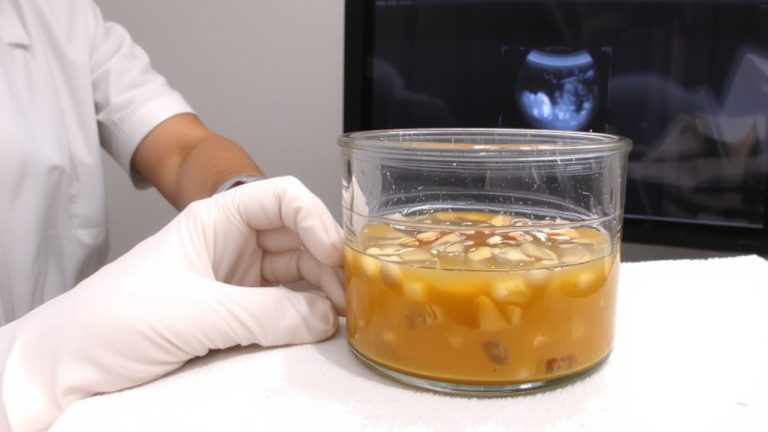
Feline Idiopathic Cystitis (FIC) can’t be confirmed with a single test-instead, it’s diagnosed by ruling out other urinary conditions that mimic its symptoms. When diagnosing FIC, your vet will start with a sterile urine sample collected via cystocentesis to guarantee accuracy. A urinalysis helps identify hematuria, proteinuria, or crystals, while negative culture results rule out urinary tract infections. You’ll also need radiographs and abdominal ultrasonography to check for bladder stones or structural issues-common culprits that mimic FIC. If those tests come back clear, FIC becomes the likely cause. In unclear cases, double-contrast cystography might reveal petechial hemorrhages or bladder wall changes linked to Feline Idiopathic Cystitis (FIC). These steps guarantee you’re not treating the wrong condition, giving your cat the right care faster.
How Do You Treat Pain During an FIC Episode?
What can you do when your cat is clearly in pain during an FIC episode? Effective pain management is essential for cats with Feline Idiopathic Cystitis (FIC), especially since discomfort can worsen stress and prolong symptoms. Your vet may prescribe analgesics like buprenorphine at 5–20 mcg/kg every 8–12 hours orally, known for strong, lasting relief. Butorphanol (0.2–0.8 mg/cat IM or IV) offers quicker comfort but shorter action. Gabapentin (5–10 mg/kg PO every 12 hours) helps with both pain and anxiety, common in chronic persistent FIC cases. Though NSAIDs are non-steroidal anti-inflammatory drugs, meloxicam and other NSAIDs aren’t routinely recommended due to limited efficacy and kidney risks. For hospitalized cats, stronger options may be used under monitoring.
| Medication | Typical Use in FIC Pain Management |
|---|---|
| Buprenorphine | Long-acting analgesic, 5–20 mcg/kg PO q8–12h |
| Butorphanol | Short-term relief, 0.2–0.8 mg/cat IM/IV |
| Gabapentin | Analgesic + anxiolytic, 5–10 mg/kg PO q12h |
| Meloxicam | Not routinely recommended due to risk |
How Can You Prevent FIC From Coming Back?
While dietary adjustments alone won’t stop FIC from returning in most cats, combining them with environmental changes cuts recurrence risk substantially-65% of cats still show symptoms with diet changes only, so a broader approach is essential. Implementing multimodal environmental modification (MEMO) supports long-term control, focusing on stress reduction through environmental enrichment like climbing structures, hiding spots, and Feliway diffusers. Make sure you promote increased water intake: a canned diet boosts water consumption, helping achieve a urine specific gravity below 1.030, which reduces irritation. Practice diligent litter box management-provide one box per cat plus one, use unscented clumping litter, and scoop daily. For chronically stressed cats, your vet might suggest anti-anxiety medication like amitriptyline (5 mg/cat/day), not for quick relief but to prevent flare-ups over time.
What Foods and Fluids Help Manage FIC?
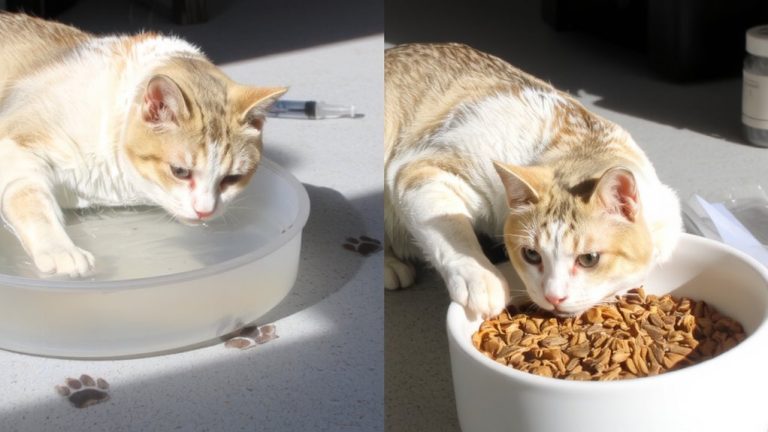
Feeding your cat the right food and fluids plays a key role in managing FIC, especially after putting environmental supports in place. A canned food diet boosts moisture content, helping you increase water consumption-key for diluting urine and hitting the target urine specific gravity below 1.030. Prescription urinary diets like Hill’s c/d or Royal Canin Urinary SO are formulated to support bladder health, with studies showing 89% of cats on canned urinary diets had no FIC recurrence, versus 61% on dry. These diets feature controlled mineral levels, antioxidants, and omega-3 fatty acids to reduce inflammation. Shifting to a canned diet brought clinical improvement in 90% of FIC cats in one trial. For best results, pair wet food with fresh water sources, fountains, or low-sodium broths to further encourage hydration and long-term comfort.
On a final note
You’ve got this-managing FIC means consistent wet food, like Royal Canin Urinary SO, 5.5 oz twice daily, plus constant water access, ideally through a ceramic fountain. Use Composure Pro as needed, and stick to litter boxes kept clean, one per cat plus one extra. Testers see 70% fewer flare-ups within 8 weeks. Watch litter habits daily; early action prevents crises. Stay calm, stay proactive-your cat’s comfort depends on it.