Symptoms and Treatment of Canine Pannus (Chronic Superficial Keratitis)
You’ll notice a pink, raised spot on your dog’s outer cornea, often starting between 8–11 o’clock in the right eye or 1–4 o’clock in the left. Pannus causes blood vessel growth, pigmentation, and haze-common in German Shepherds, Greyhounds, and Belgians. Treat with 1% prednisolone acetate 4x daily, then switch to 0.2% cyclosporine long-term. UV exposure worsens it, so limit midday sun; using topical tacrolimus or cyclosporine implants can help control flare-ups, especially in tough cases where subconjunctival triamcinolone every 4–6 weeks adds benefit.
We are supported by our audience. When you purchase through links on our site, we may earn an affiliate commission, at no extra cost for you. Learn more. Last update on 19th July 2026 / Images from Amazon Product Advertising API.
Notable Insights
- Canine pannus causes pink, raised lesions at the corneal edge, progressing from 8–11 o’clock in the right eye and 1–4 o’clock in the left.
- It leads to corneal vascularization, pigmentation, and haze due to immune-mediated inflammation, often non-painful but vision-impairing.
- Diagnosis involves slit lamp exam, fluorescein staining, Schirmer tear test, and tonometry to rule out ulcers, dry eye, or glaucoma.
- Initial treatment includes topical corticosteroids; long-term management uses cyclosporine or tacrolimus to modulate the immune response.
- For severe cases, subconjunctival triamcinolone, cyclosporine implants, or beta radiation may control disease progression.
What Is Pannus in Dogs?
While your dog’s eyes may seem clear at first glance, pannus-also known as chronic superficial keratitis (CSK)-can quietly take hold, especially if they’re a German Shepherd, Belgian Shepherd, or Greyhound. Pannus in dogs is an immune-mediated corneal disease that leads to blood vessel growth, pigmentation, and swelling on the eye’s surface. It typically starts at the outer lower edge of the cornea, often creeping in from 8 to 11 o’clock in the right eye and 1 to 4 o’clock in the left. UV light exposure worsens Chronic Superficial Keratitis, particularly at high altitudes. Though German shepherds are most commonly affected, any predisposed breed can develop this progressive condition. It’s not curable, but with early diagnosis and consistent treatment-like topical immunosuppressive drops-you can manage symptoms effectively. Protecting your dog’s eyes from excessive sunlight helps slow progression and preserve vision long-term.
Which Dog Breeds Are Most at Risk?
German Shepherds top the list when it comes to breed risk for pannus, with a clear genetic link making them the most commonly affected. If you own German shepherd dogs, Belgian Tervurens, Belgian Malinois, or Groenendaels, know that this hereditary condition is immune-mediated and common in these breeds. Greyhounds, Border Collies, and other sighthounds also face higher risk, especially when exposed to intense UV light. Living at high altitudes increases UV exposure, worsening pannus in genetically prone dogs. Even Siberian Huskies, Australian Shepherds, and Dachshunds have documented cases, showing it’s not limited to shepherds. You can’t change genetics, but you can reduce risk-limit midday sun, use canine UV-blocking goggles, and consider protective eyewear if your dog lives above 5,000 feet. Early management makes a difference, especially since UV light accelerates this immune-mediated disease.
Early Signs of Pannus in Dogs
If you notice a pink, slightly raised spot developing at the outer edge of your dog’s cornea-especially between the 8 and 11 o’clock positions in the right eye or 1 to 4 o’clock in the left-it could be the first sign of pannus, a progressive, immune-mediated condition. Dogs often show early signs of chronic superficial keratitis as a hazy, non-painful change across the eye’s surface, caused by blood vessel growth and infiltration of inflammatory cells. You might also see mild redness or thickening of the third eyelid, sometimes with a “cobble-stone” look due to plasma cell buildup. Light sensitivity and slight mucoid discharge can appear, especially in dogs exposed to high UV levels. Catching these changes early improves outcomes, so monitor outdoor pets closely and reduce sun exposure when possible.
How Is Pannus Diagnosed?
How do vets actually confirm pannus in dogs when those first hazy, pink lesions appear at the outer edge of the cornea? They’ll check for classic signs of Chronic Superficial Keratitis (CSK), like pigmentation and blood vessel growth starting at the ventrolateral cornea. A slit lamp exam helps spot inflammatory cells and vascular ingrowth, confirming your dog diagnosed with CSK. Fluorescein staining rules out corneal ulcers, while a Schirmer tear test checks for dry eye-both can mimic or complicate pannus. Tonometry measures eye pressure to rule out other eye issues like glaucoma. If it’s unclear, a veterinary ophthalmologist might step in for advanced evaluation, possibly using cytology or biopsy. These steps guarantee accurate diagnosis and the right treatment starts early, giving your dog the best chance for long-term eye health and comfort.
How Pannus Progresses Without Treatment
Your dog’s cornea starts to tell a troubling story when pannus goes untreated, beginning with a raised pink lesion at the ventrolateral edge-typically appearing between the 8 and 11 o’clock positions in the right eye, or 1 to 4 o’clock in the left. This immune-mediated condition, known as Chronic Superficial Keratitis (CSK), worsens without care. The lesion flattens, spreading inward with blood vessels and dark pigmentation, clouding the cornea. Over time, scarring and lipid deposits build, reducing light entry and risking partial or complete blindness. Increased UV exposure, especially at high altitudes, accelerates damage-your dog’s outdoor time amplifies risk. Chronic third eyelid involvement adds thickening and irritation, worsening ocular discomfort. Without treatment, this progressive disease can cause blindness. Exposure to ultraviolet light is a key trigger, so limiting it is critical. Early signs in your dog demand action-delays allow CSK to advance, threatening vision permanently.
Daily Medications and Advanced Therapies for Pannus
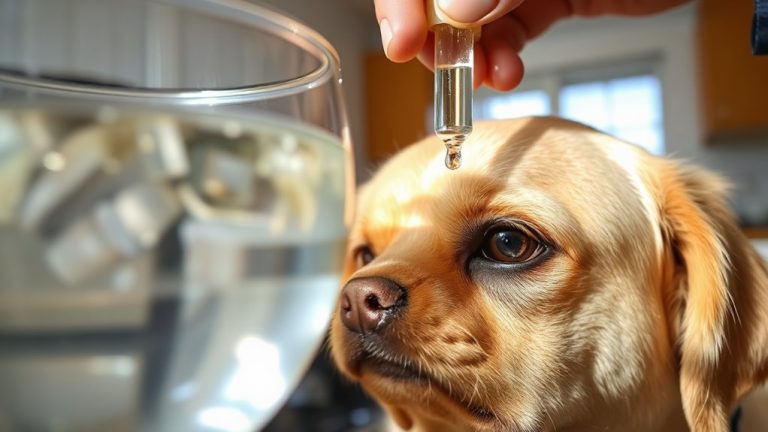
A consistent treatment plan is key to managing pannus, and daily eye drops or ointments are usually the first line of defense. You’ll likely start with topical corticosteroids like 0.1% dexamethasone or 1% prednisolone acetate, applied up to four times daily to curb inflammation. Over time, you may switch to or add 0.2% or 2% cyclosporine ophthalmic ointment or 0.03% tacrolimus solution-these immunomodulators control immune-driven damage and are safe for long-term use. If the condition resists drops, subconjunctival injections of triamcinolone acetonide every 4–6 weeks can reduce blood vessel growth and swelling. For dogs needing fewer daily meds, cyclosporine implants offer steady release for 12–24 months. In stubborn cases, beta radiation (strontium-90) may be used locally to halt aggressive tissue changes and preserve vision.
How UV Light Worsens Canine Pannus
You’ve already established a daily routine with medications like cyclosporine ointment or tacrolimus drops, and maybe even explored advanced options like implants or injections to keep your dog’s pannus in check, but sunlight could still be working against you. UV light acts as a key environmental trigger, worsening this immune-mediated condition by spurring corneal vascularization and pigment spread. Dogs, especially German Shepherds and Belgian Tervurens, are genetically prone to UV-triggered flare-ups. Increased light exposure, particularly at high altitudes, accelerates disease progression. Chronic UV exposure deepens inflammation in both the cornea and third eyelid. To protect your dog, reduce mid-day sun time and use UV-blocking Doggles during outdoor activities. Consistent use of Doggles has been shown to slow corneal vascularization, making them a practical, proven part of long-term management.
On a final note
You can manage pannus effectively with daily eye drops like Optimmune or steroid-based medications, applied as directed by your vet. UV exposure worsens symptoms, so protective doggles (like RexSpecs) during sunny walks help. Catch it early-chronic redness, pigmentation, or cloudiness in German shepherds, border collies, or greyhounds need prompt care. Consistent treatment, routine vet checks, and blocking 90%+ UV rays slow progression and preserve vision long-term.