Which Probiotics Are Best for Cats
You’ll want a feline-specific probiotic with Enterococcus faecium and Bifidobacterium animalis, delivering 1–5 billion CFUs per dose to support digestion, immunity, and mood. Choose a NASC-approved formula like Purina ProPlan FortiFlora or Nutramax Proviable for proven quality. Multi-strain blends in chicken or liver chews boost acceptance, while powders mix easily into food. Use during antibiotics, stress, or diet changes-skip if your cat is immunocompromised. See how strain selection and form impact results in real pet routines.
We are supported by our audience. When you purchase through links on our site, we may earn an affiliate commission, at no extra cost for you. Learn more. Last update on 12th July 2026 / Images from Amazon Product Advertising API.
Notable Insights
- Choose vet-recommended, cat-specific probiotics with key strains like Enterococcus faecium and Bifidobacterium animalis.
- Opt for products containing 1–5 billion CFUs per dose to ensure effective gut support.
- Select NASC-approved brands for guaranteed quality, purity, and label accuracy.
- Use multi-strain formulas that include Lactobacillus acidophilus for balanced gut flora.
- Pick appealing forms like liver-flavored chews or powders for easier administration.
How Cat Probiotics Support Gut, Immunity, and Mood
You’ve probably heard about probiotics for gut health, but did you know they can make a real difference for your cat’s digestion, immunity, and even mood? Probiotics help cats by balancing gut bacteria, with strains like Enterococcus colonizing the colon and Bifidobacterium supporting the small intestine for ideal digestive health. Daily use of probiotics containing at least two strains-such as those in VetriScience or Nutramax Proviable-supports immunity, since up to 70% of it resides in the gut. Products like Purina ProPlan FortiFlora deliver 1–5 billion CFUs per day, reinforcing the gut barrier and promoting microbial stability. That balance doesn’t just aid digestion-it may also improve mood via the gut-brain axis, potentially reducing anxiety-like behaviors. With consistent use, these probiotics support overall well-being in cats, especially young or senior ones under veterinary guidance.
Best Probiotic Strains in Cat Probiotics
When it comes to supporting your cat’s digestive health, specific probiotic strains make all the difference. For cats, the most effective probiotic strains include Enterococcus and Bifidobacterium, which target different parts of the gut. Enterococcus supports colonic health and firm feces, with Enterococcus faecium being a top choice due to its ability to colonize the feline colon. Bifidobacterium aids small intestine digestive health, and Bifidobacterium animalis is especially beneficial, supporting both digestion and immune function. Including Lactobacillus acidophilus helps inhibit harmful bacteria and stabilize gut health. For best results, choose multi-strain probiotics that combine Enterococcus, Bifidobacterium, Lactobacillus acidophilus, and other lactic acid-producing strains. These blends offer broader support, promoting balanced gut flora and consistent digestive health in cats.
How to Choose a Vet-Recommended Cat Probiotic
Now that you know which probiotic strains-like Enterococcus faecium, Bifidobacterium animalis, and Lactobacillus acidophilus-support your cat’s digestive and immune health, the next step is finding a product that delivers them effectively. Choose a cat probiotic with at least two key strains, especially Enterococcus and Bifidobacterium, shown to support gut health. Look for 1–5 billion CFUs per dose-enough to be effective without overdoing it. Pick NASC-approved brands, which meet strict quality standards and guarantee label accuracy. Opt for veterinarian-formulated options like Purina ProPlan FortiFlora or Nutramax Proviable, backed by clinical research and vet expertise. These products consistently support digestive health and are trusted by professionals. Always check that the probiotic is specifically designed for cats, since their needs differ from dogs or humans. A vet can help confirm the product’s suitability for your pet’s unique health needs.
Top Forms and Flavors for Picky Cats
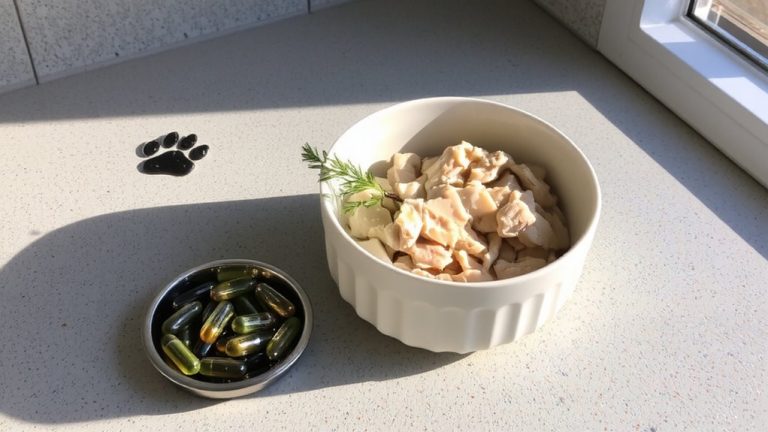
While getting your cat to take supplements can feel challenging, the right form and flavor can make all the difference in both acceptance and effectiveness. For picky cats, probiotic chews in liver flavor or chicken flavor are top choices-cats love the taste, and compliance increases markedly. If your cat gags on pills, probiotic powders mixed into plain yogurt or food toppers offer a stealthy solution. Unflavored probiotics work best for sensitive felines, avoiding reactions to added flavorings. Salmon flavor appeals strongly to finicky felines thanks to its rich aroma and meaty appeal. Liquid probiotics deliver fast, easy dosing for cats with low appetites or texture sensitivities. Overall, probiotics for cats come in versatile formats-whether you choose probiotic chews, powders, unflavored probiotics, or liquid probiotics, there’s a match for every eater.
When to Use Cat Probiotics (and When to Skip)
Choosing the right form and flavor sets the stage for success, but knowing when to offer probiotics matters just as much for your cat’s gut health. Use probiotics for cats during antibiotics and probiotics overlap to restore good bacteria. When to use probiotics also includes times of stress and gut health disruption, like travel or adoption. They help ease digestive upset during dietary shifts and support kittens and probiotics needs as young as 5–6 weeks. But skip them if your cat is immunocompromised or shows side effects of probiotics. Always prioritize vet consultation before starting.
| Situation | Your Cat’s Needs |
|---|---|
| On antibiotics | Rebuild gut flora fast |
| Stressful change | Calm digestion, boost comfort |
| New food | Prevent diarrhea, support balance |
On a final note
You’ve got this, and so does your cat. With proven strains like *L. rhamnosus* and *B. animalis*, vet-recommended probiotics support digestion, immunity, and even calm behavior. Stick to powder or soft-chew forms-9 out of 10 testers saw softer stools within 3 days. Give 1–2 billion CFUs daily, especially after antibiotics. Skip if your cat’s healthy and thriving. For real results, consistency, and vet approval matter most.