What Is the Best Low Protein Dog Food
You want a prescription low-protein dog food with under 18% protein on a dry matter basis to support your dog’s kidney or liver health, like Hill’s k/d, Royal Canin Hepatic, or Purina Pro Plan NF-they use highly digestible proteins such as egg whites and lamb, restrict phosphorus below 0.5%, and include omega-3s, taurine, and DL-methionine for metabolic support; moisture content can skew labels, so always compare on dry matter-there’s more to weigh with ingredient quality and nutrient balance just ahead.
We are supported by our audience. When you purchase through links on our site, we may earn an affiliate commission, at no extra cost for you. Learn more. Last update on 19th July 2026 / Images from Amazon Product Advertising API.
Notable Insights
- The best low-protein dog foods are prescription diets with 14–20% protein on a dry matter basis for kidney or liver support.
- True low-protein foods contain less than 18% crude protein on a dry matter basis, below typical over-the-counter levels.
- Use dry matter basis to accurately compare protein content, especially between wet and dry commercial diets.
- Top veterinary brands include Hill’s k/d, Royal Canin Hepatic, and Purina Pro Plan NF with highly digestible protein sources.
- Look for low phosphorus (under 0.5%), high-quality protein, and essential nutrients like omega-3s, taurine, and DL-methionine.
Why Dogs Need A Low-Protein Diet for Kidney or Liver Disease
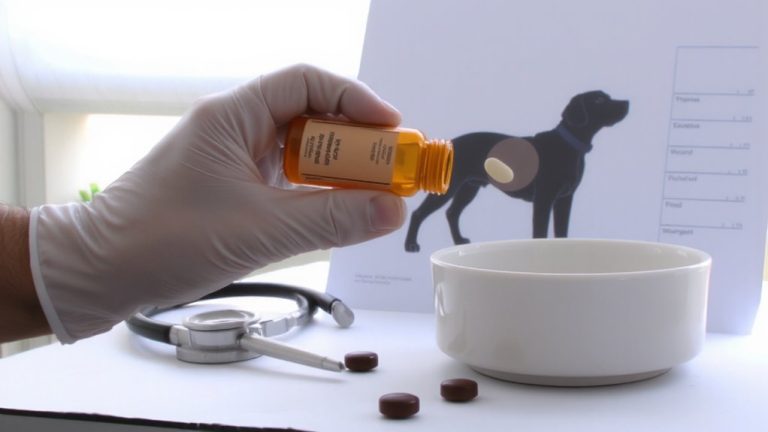
If your dog’s been diagnosed with kidney or liver disease, switching to a low-protein diet isn’t just a suggestion-it’s a key part of managing their condition, reducing strain on essential organs, and helping them feel better longer. With kidney disease, reduced protein intake lowers urea production, easing the workload on damaged kidneys. In liver disease, it helps prevent ammonia buildup the impaired organ can’t clear. Veterinary-recommended low-protein dog foods are formulated with a protein content of 14–20% on a dry matter basis, balancing nutrition and safety. Prescription dog food like Hill’s k/d or Royal Canin Hepatic offers restricted yet highly digestible protein sources-such as egg whites and lamb-to supply essential amino acids without excess stress. These therapeutic diets are highly digestible, minimizing waste, and are proven to support long-term health. Always choose a veterinary-recommended formula tailored to your dog’s specific needs.
What Defines A True Low-Protein Dog Food (Under 18% DM)
While many dog foods claim to be low in protein, only those with less than 18% crude protein on a dry matter (DM) basis qualify as truly low-protein-falling below the AAFCO minimum for adult maintenance diets and meeting the strict thresholds needed for managing serious health conditions like kidney or liver disease. A true low-protein dog food must have under 18% protein on a dry matter basis, which is why most over-the-counter options don’t qualify. Only prescription veterinary diets, like Hill’s k/d, meet this standard, with dry matter protein levels as low as 7–9%. These formulas are designed specifically for medical management of kidney or liver disease. Foods labeled with low “as fed” values but high moisture often exceed 18% on a dry matter basis, so always check the crude protein content correctly. For real therapeutic benefit, stick to diets proven to deliver under 18% protein.
Use Dry Matter Basis to Compare Protein Levels Fairly
When comparing protein levels across dog foods, you’ve got to account for moisture to get an accurate picture, and that’s where the dry matter basis comes in. You can’t fairly compare protein just by looking at “as fed” values-moisture content skews the numbers. For example, a canned dog food with 78% moisture and 4% as fed protein actually has 18.2% protein on a dry matter basis, meeting AAFCO adult maintenance levels. Dry dog foods, with only about 10% moisture, appear higher in protein as fed, but once corrected, the difference shrinks. Even a prescription diet like Hill’s k/d, labeled 7% as fed protein, hits 28% on a dry matter basis. That’s why you need dry matter basis to compare protein accurately-especially when choosing a true low protein dog food for medical needs. Don’t let moisture content fool you.
Best Vet-Formulated Low-Protein Dog Foods for Medical Diets
You’ve seen how moisture content distorts protein readings, so now it’s time to put that knowledge to work by focusing on vet-formulated low-protein diets backed by clinical research. Hill’s Prescription Diet k/d offers 15.9% protein on a dry matter basis, making it one of the lowest options for kidney support. Purina Pro Plan Veterinary Diets NF provides 13% protein (dry matter) and eases renal workload. For liver disease, Royal Canin Veterinary Diet Canine Hepatic delivers 12% protein and restricted copper. Blue Buffalo Natural Veterinary KS, a prescription dog food, contains 13.64% protein and supports both kidney and liver health. SquarePet VFS provides 14% minimum crude protein, ideal for intermittent feeding in dogs needing kidney support. These low protein dog food formulas are proven, vet-recommended, and designed for real medical needs. Choose based on your dog’s specific condition and your vet’s guidance.
Critical Label Clues: Protein Quality, Phosphorus, and Additives
A great low-protein dog food doesn’t just limit protein-it balances quality, nutrient control, and clean ingredients to support your dog’s long-term health. Look for high protein quality with digestible sources like egg whites, lamb, or fish in the first five ingredients. Keep phosphorus low-under 0.5%-to protect kidney function, like SquarePet VFS’s 0.10–0.45% range. Avoid unnecessary additives like sugar or caramel color, found in some brands such as Hill’s k/d. Instead, choose formulas with salmon oil to deliver at least 0.50% omega-3 fatty acids for reduced inflammation. Check for taurine (minimum 0.15%) and DL-methionine to sustain heart and metabolic health, even on restricted protein. These details make a real difference-giving your dog balanced nutrition without cutting corners.
On a final note
You’ll want a true low-protein diet-under 18% on a dry matter basis-for kidney or liver support, and dry kibble like Hill’s Prescription Diet k/d or Royal Canin Veterinary Diet Renal LP offers precisely that, with high-quality proteins, reduced phosphorus, and added omega-3s, testers note improved energy and lab values within weeks, just confirm with your vet, check labels carefully, and shift meals gradually to avoid digestive upset.