Symptoms and Treatment of Feline Hyperthyroidism in Older Cats
If your older cat is losing weight but eating more, they might have hyperthyroidism, usually caused by benign thyroid tumors boosting T4 hormone. You may notice thirst, restlessness, or a lump in their neck. Vets check T4 levels and kidney function, since 25% of cases involve kidney issues. Treatments include radioactive iodine (95% effective), methimazole twice daily, surgery, or Hill’s y/d diet. Most cats thrive with proper care-there’s a lot you can do to help.
We are supported by our audience. When you purchase through links on our site, we may earn an affiliate commission, at no extra cost for you. Learn more. Last update on 19th July 2026 / Images from Amazon Product Advertising API.
Notable Insights
- Hyperthyroidism in older cats commonly causes weight loss despite increased appetite and restlessness.
- Over 95% of cases stem from benign thyroid tumors, predominantly affecting cats over age 10.
- Diagnosis involves blood tests for T4 levels, neck palpation, and checking for concurrent kidney disease.
- Treatment options include radioactive iodine therapy, methimazole medication, surgery, or a prescription low-iodine diet.
- Post-treatment monitoring is critical to detect kidney issues and ensure thyroid hormone levels stabilize.
What Causes Hyperthyroidism in Cats?
While the exact reason your cat’s thyroid might go into overdrive isn’t always clear, most cases-over 95%-come from benign growths called adenomas that push the thyroid to churn out too much T3 and T4 hormone. In older cats, this cause of feline hyperthyroidism is especially common, with most diagnoses happening after age 10. Though rare, less than 3% of cats develop a malignant thyroid carcinoma instead. The benign tumor, or thyroid adenoma, disrupts normal thyroid hormones without spreading aggressively. Experts suspect environmental factors like BPA in canned food linings or PBDEs in household dust may play a role. Dietary imbalances-especially in iodine, selenium, or soy isoflavones-could also contribute. While no single trigger is confirmed, hyperthyroidism in cats links closely to age and long-term exposure. Watch for subtle shifts in health, especially in senior cats, and consider vet-recommended nutrition to support thyroid balance.
How to Spot Early Signs in Older Cats
If you’ve noticed your senior cat losing weight even though they’re eating more than usual, it could be an early red flag for hyperthyroidism, a condition affecting up to 98% of older cats with the disease. This unexplained weight loss, combined with increased appetite, is a classic sign. You might also see increased thirst and urination or restlessness, which can mimic youthful energy. In the early stages, these symptoms are subtle, but a vet may detect an enlarged thyroid gland during routine neck palpation. While blood tests often show elevated T4 levels, some cats have normal total T4, making free T4 testing essential for accurate diagnosis. Catching hyperthyroidism early helps manage the condition effectively and supports your cat’s long-term health through proper nutrition and timely care.
How Do Vets Diagnose Feline Hyperthyroidism?
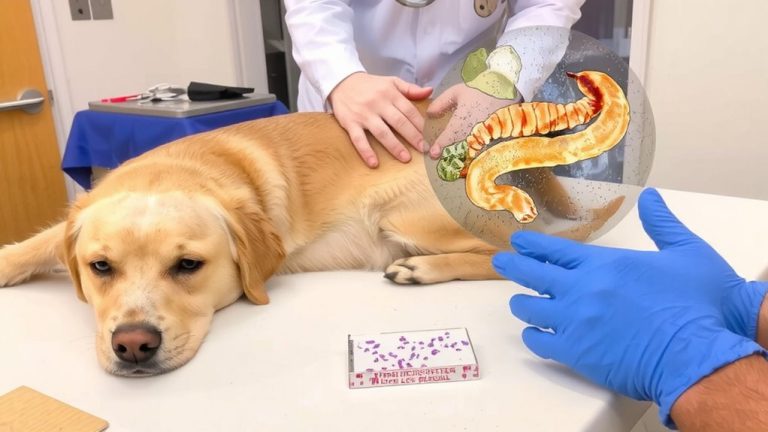
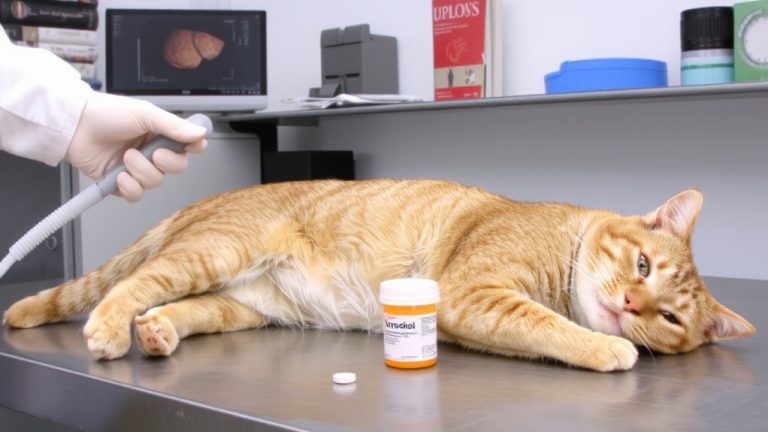
What’s the first step when your cat seems restless, drinks more water, and keeps losing weight no matter how much they eat? Your vet will suspect hyperthyroidism and start with a physical exam, including neck palpation to check for an enlarged thyroid gland, present in up to 90% of cases. They’ll then run blood tests to measure T4 levels-elevated total T4 confirms the diagnosis in most cats. But about 10% have normal T4 levels, so your vet might order a full feline thyroid panel. A chemistry panel is also essential to assess kidney function, since 25% of hyperthyroid cats have underlying kidney disease. They’ll check blood pressure too, because hypertension affects 1 in 4 and can cause sudden blindness. Accurate diagnosis hinges on combining clinical signs, thyroid evaluation, and lab work.
Choosing the Right Hyperthyroidism Treatment
Now that your vet has confirmed hyperthyroidism through blood tests, physical evaluation, and possibly blood pressure monitoring, the next move is picking the best treatment for your cat’s specific needs. You’ve got several treatment options for hyperthyroidism in cats: radioactive iodine therapy cures about 95% of cases in three months with minimal side effects, but needs a 3–5-day hospital stay. Methimazole controls thyroid function with twice-daily dosing, but requires lifelong treatment and monitoring for vomiting or liver changes. Surgical thyroidectomy can cure the condition, yet poses risks, especially if your cat has heart disease or kidney disease. A low-iodine diet like Hill’s y/d may help, but demands strict feeding rules and has limited long-term data. Your cat’s age, health, and your ability to manage medication or diet will guide the best choice.
What to Expect After Treating Your Cat
Once your cat’s started on treatment, you’ll want to know what comes next-good news is, most respond well, especially with radioactive-iodine therapy, which cures about 95% of cases within three months and brings thyroid hormone levels back to normal in just one to two weeks. After radioactive-iodine therapy, your cat stays hospitalized for 3–5 days for safety. With surgical thyroidectomy, monitor for hypocalcemia-common signs include muscle tremors or weakness-due to possible parathyroid damage. If your cat’s on methimazole, whether oral or transdermal gel, you’ll give it twice daily for life. Expect frequent blood tests early on-to check thyroid hormone levels and rule out hidden kidney disease, which shows up in 25% of hyperthyroid cats once levels normalize. Consistent monitoring guarantees the treatment stays safe and effective, keeps your cat feeling great, and helps manage long-term health like kidney function.
On a final note
You’ve got this, and so does your cat. With early detection, proper treatment-like methimazole, Hill’s y/d diet, or radioiodine therapy-and regular T4 checks every 6 months, your cat can live well. Most show improvement in weight, appetite, and energy within 3 weeks. Monitor heart rate, avoid iodine-rich treats, and stick to vet-recommended protocols. Consistency, not cure-alls, keeps them thriving.